More Critical than Ever
When G20 Finance Ministers asked the International Financial Architecture Working Group in 2023 to chart a path to better, bigger, and more effective multilateral development banks, they called for transformational reforms. The 2024 G20 Roadmap translated that ambition into thirteen concrete recommendations on operating as a system, mobilising private capital, expanding lending headroom, and directing concessional resources to where they matter most.
A new report, titled, 'More Critical than Ever: Strengthening Growth and Resilience through the MDBs’, produced by researchers from four independent think tanks, takes stock of progress and identifies the priorities for the way ahead. It finds that two years on, the MDBs have responded on a broad front, with progress on balance sheet optimisation, instruments from hybrid capital to guarantee platforms coming online, and institutions that once worked in parallel increasingly working in concert. While the direction of travel is right, the pace is not. Aggregate commitments have grown by less than ten per cent in real terms, much of the new headroom sits unused, and private capital mobilisation, while being impressive in the aggregate, has actually fallen in the low-income countries that need it most.
That shortfall would matter in any circumstance, but in the present context, it matters far more because the ground has shifted beneath the reform effort itself. Since 2023, development finance has become scarcer and dearer, official development assistance has suffered its steepest recorded fall, and China has turned from net financier to net extractor leaving the MDBs as the only institutions that still combine long-term, affordable finance with technical depth and convening power. At the same time, conflict, trade tensions and a broader questioning of multilateralism have raised the bar for what these institutions must demonstrate to clients and shareholders alike, even as the energy and climate agenda has grown at once more contested and more urgent. The MDBs cannot navigate this alone.
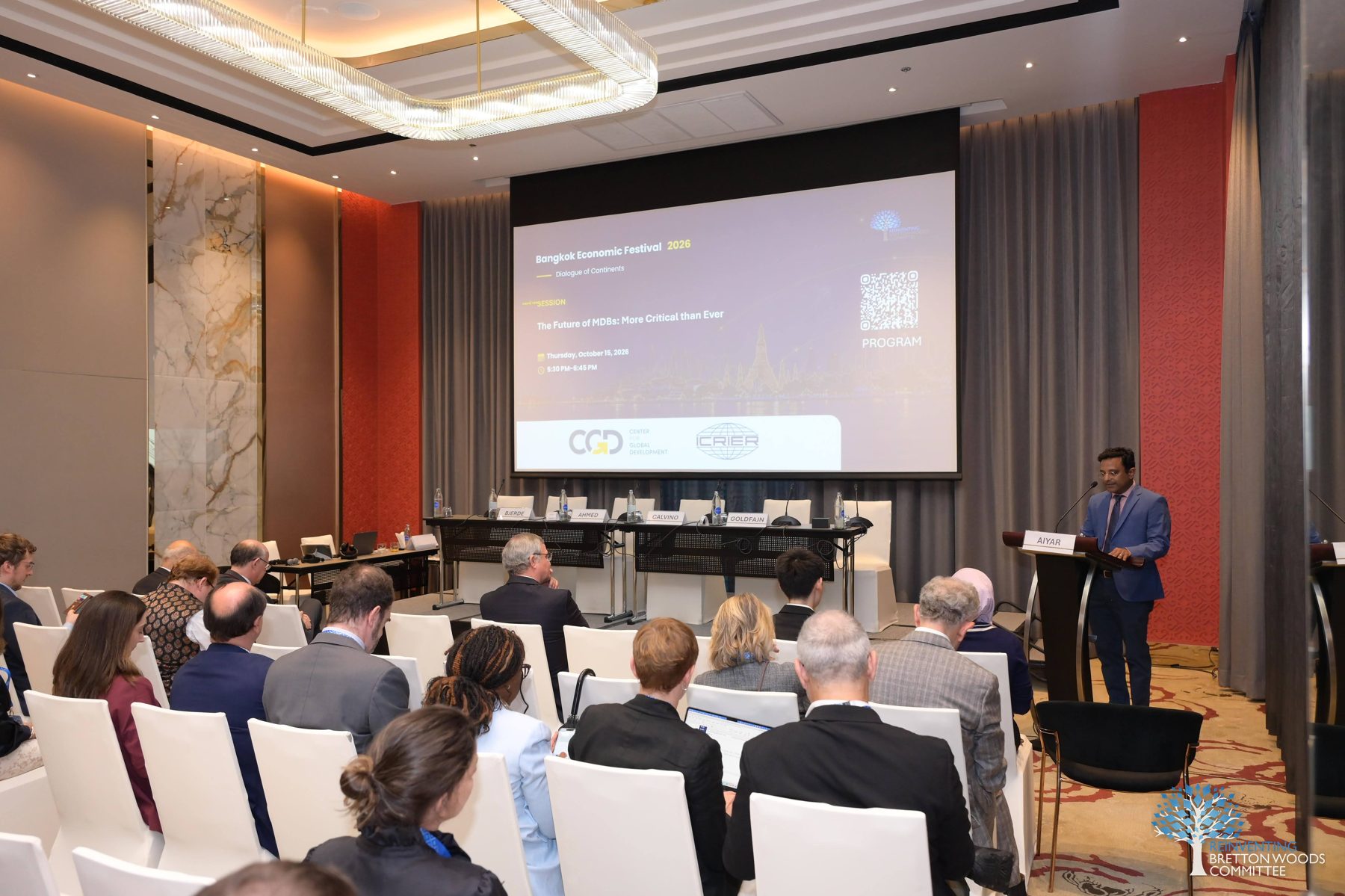
This event provides an opportunity for national and MDB leadership to set out their perspective on how the MDB system can help to strengthen growth and resilience in a challenging world.
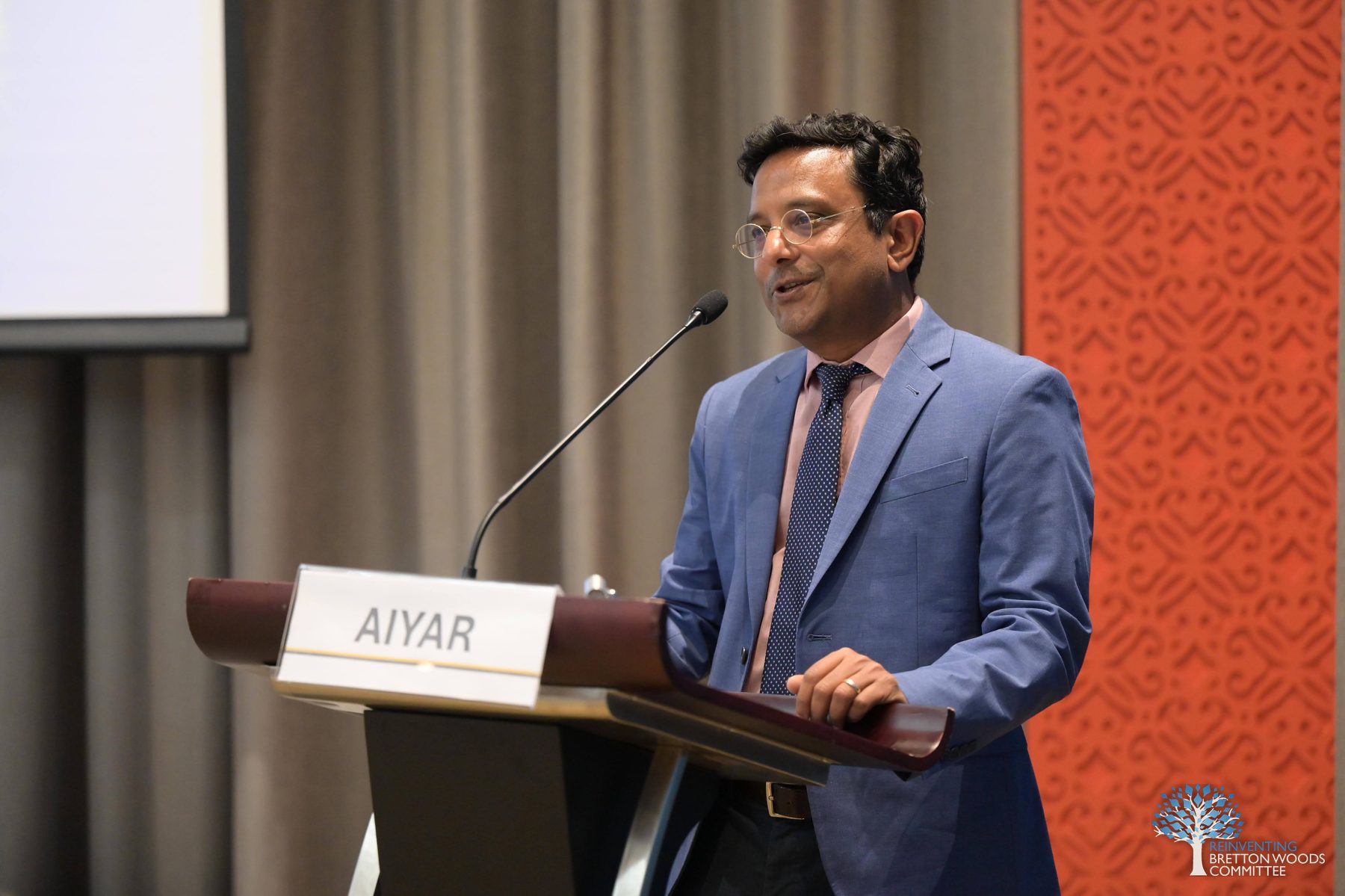
Shekhar Aiyar Director and Chief Executive, ICRIER
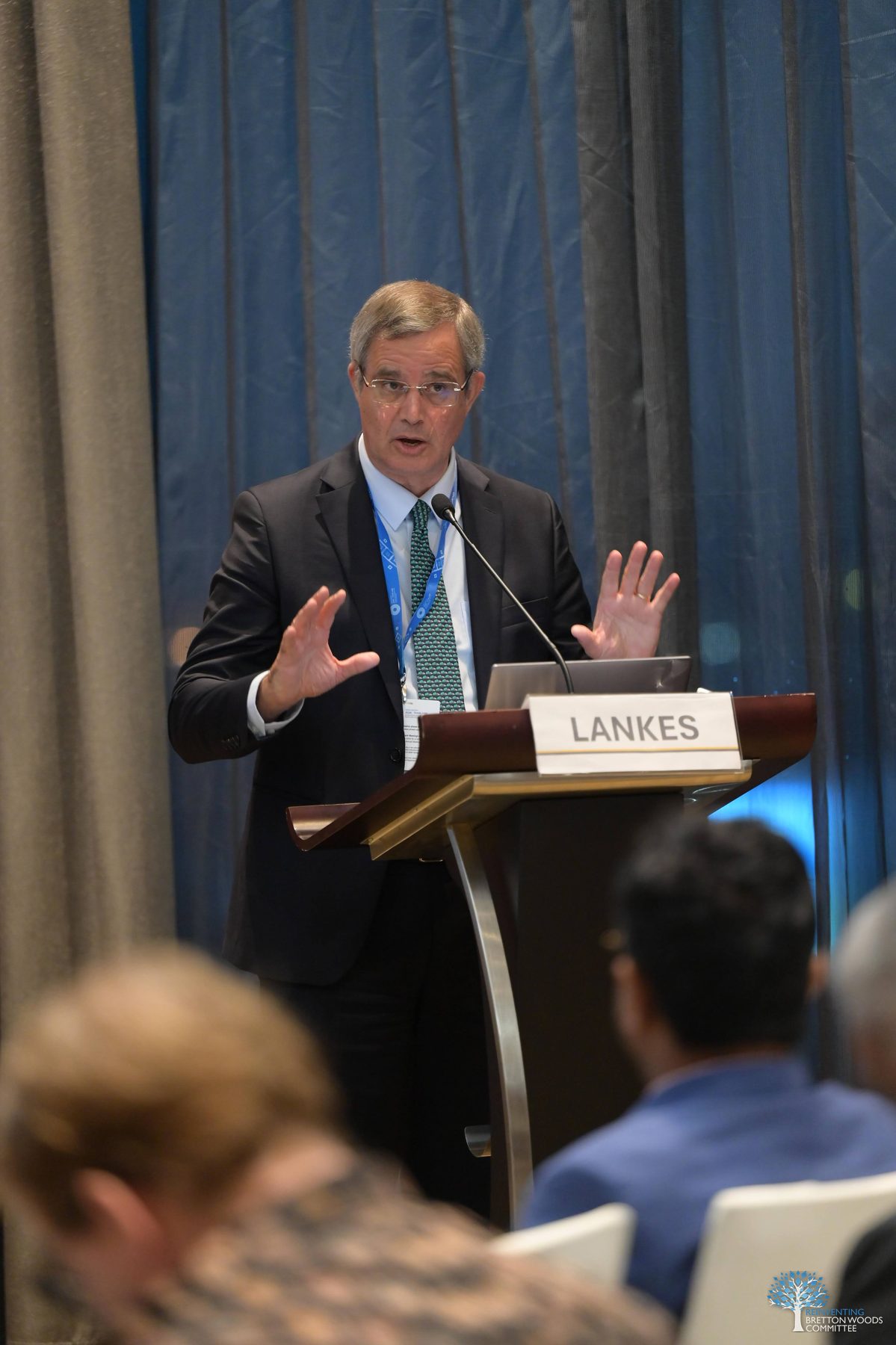
Hans Peter Lankes Deputy Chief Executive and Managing Director, ODI Global
audience Q&A
Moderator
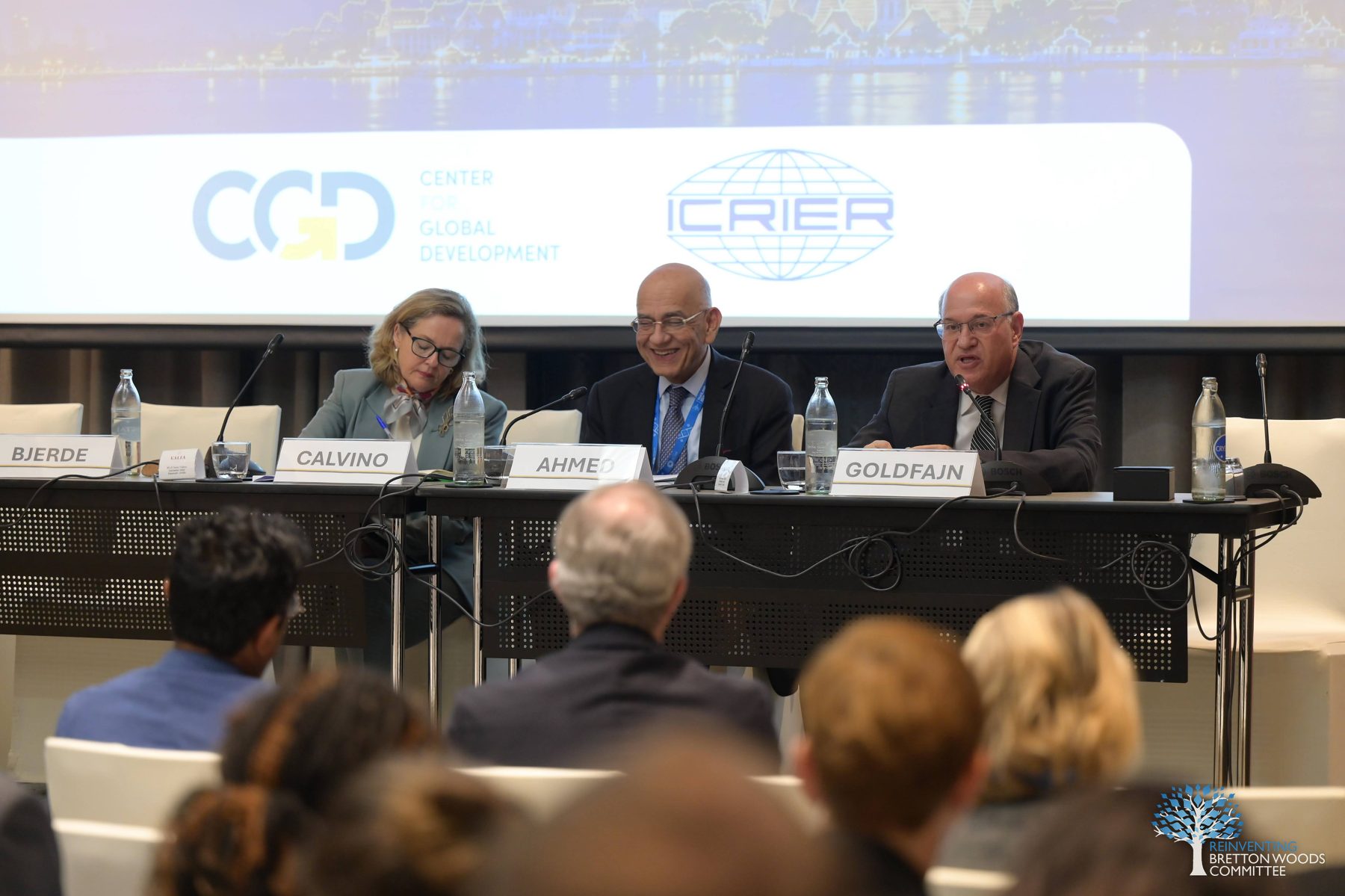
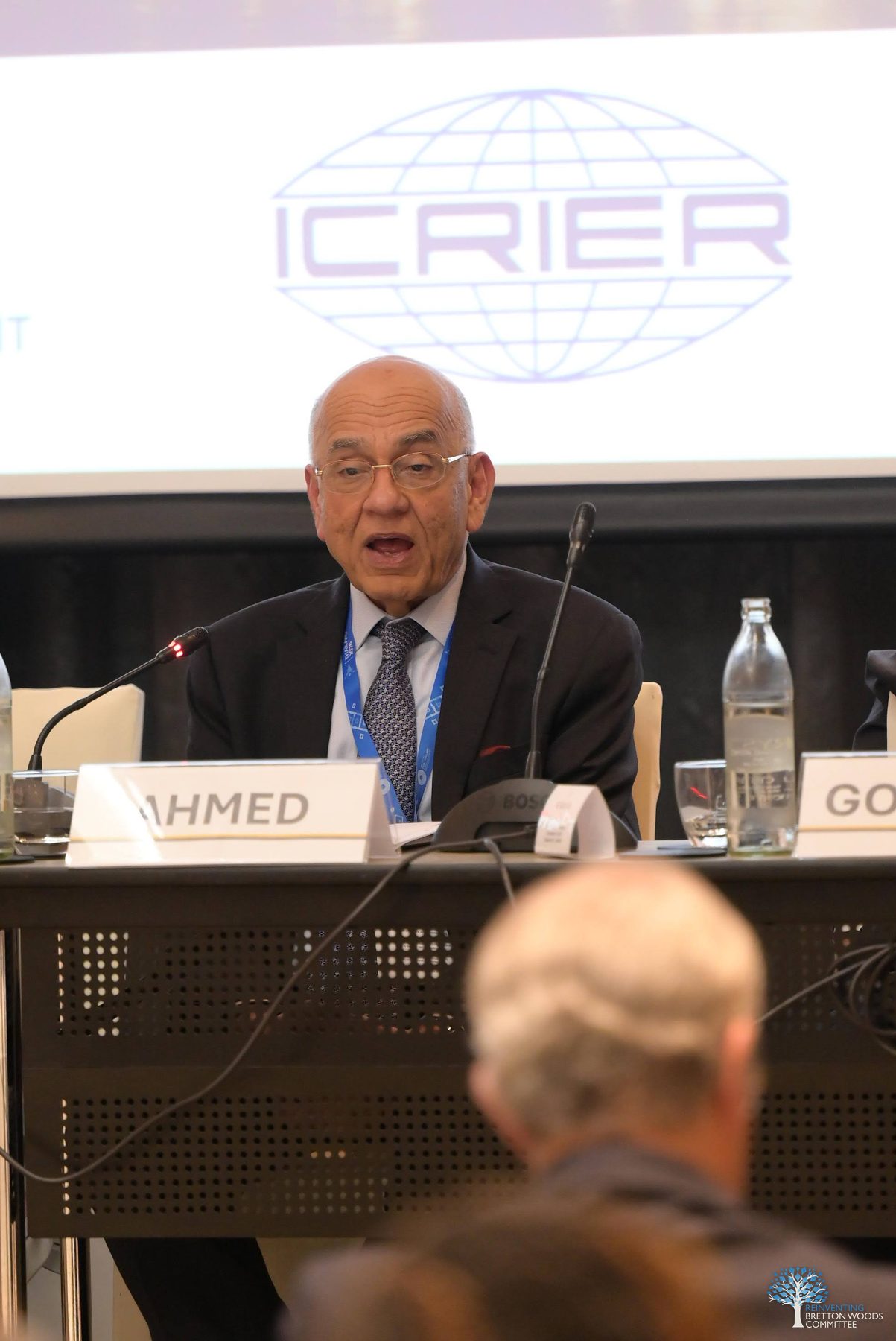
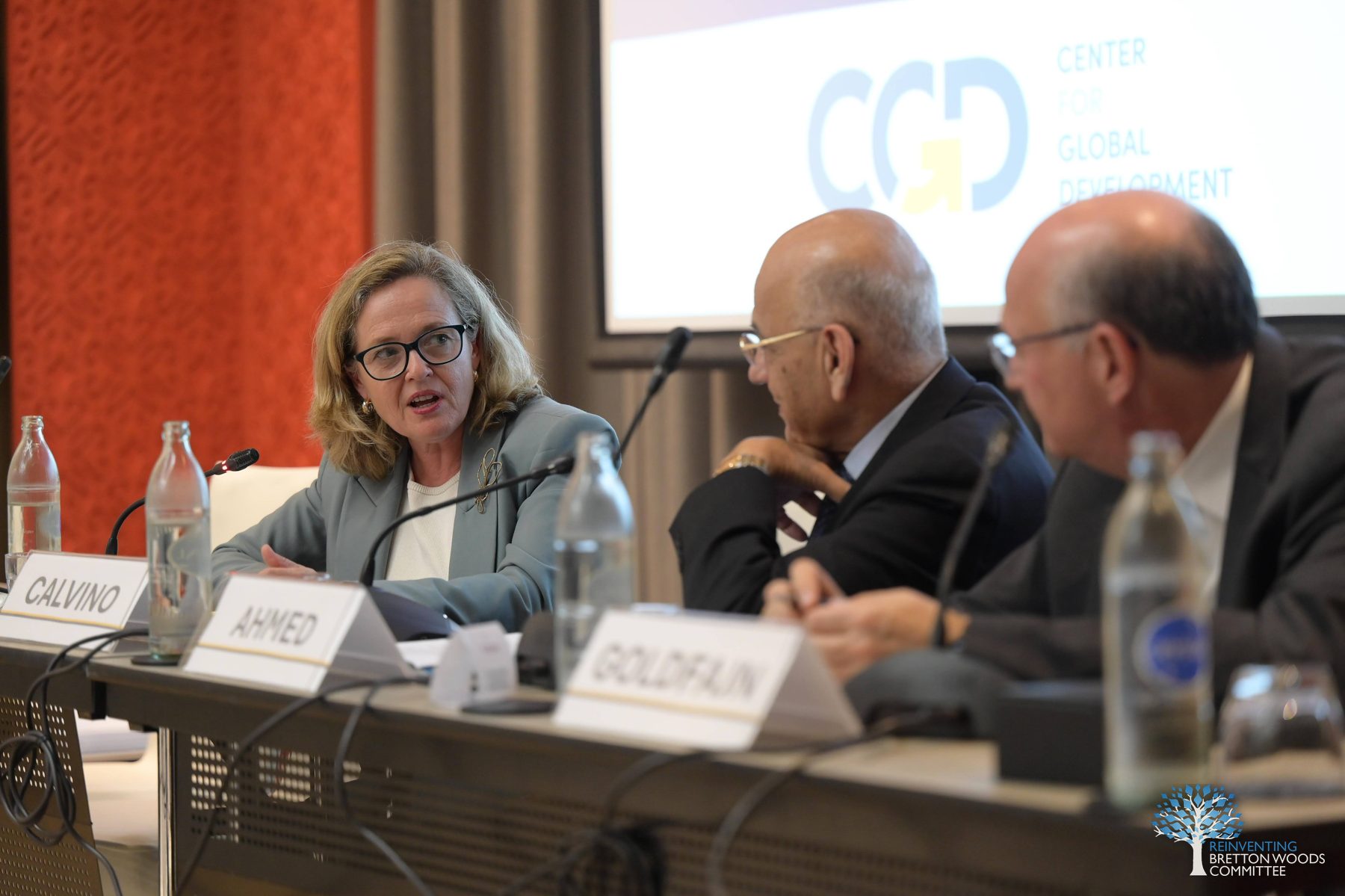
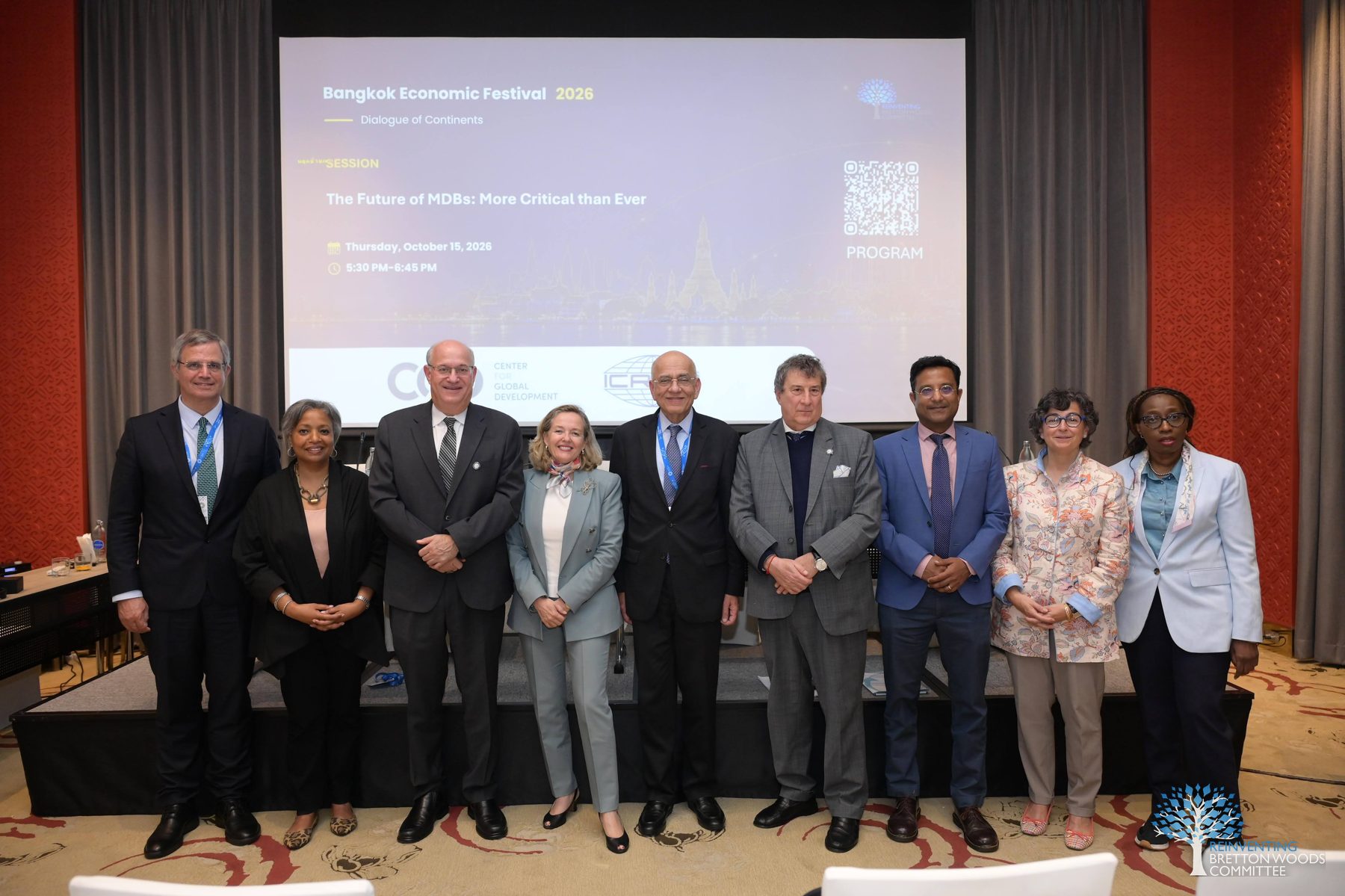
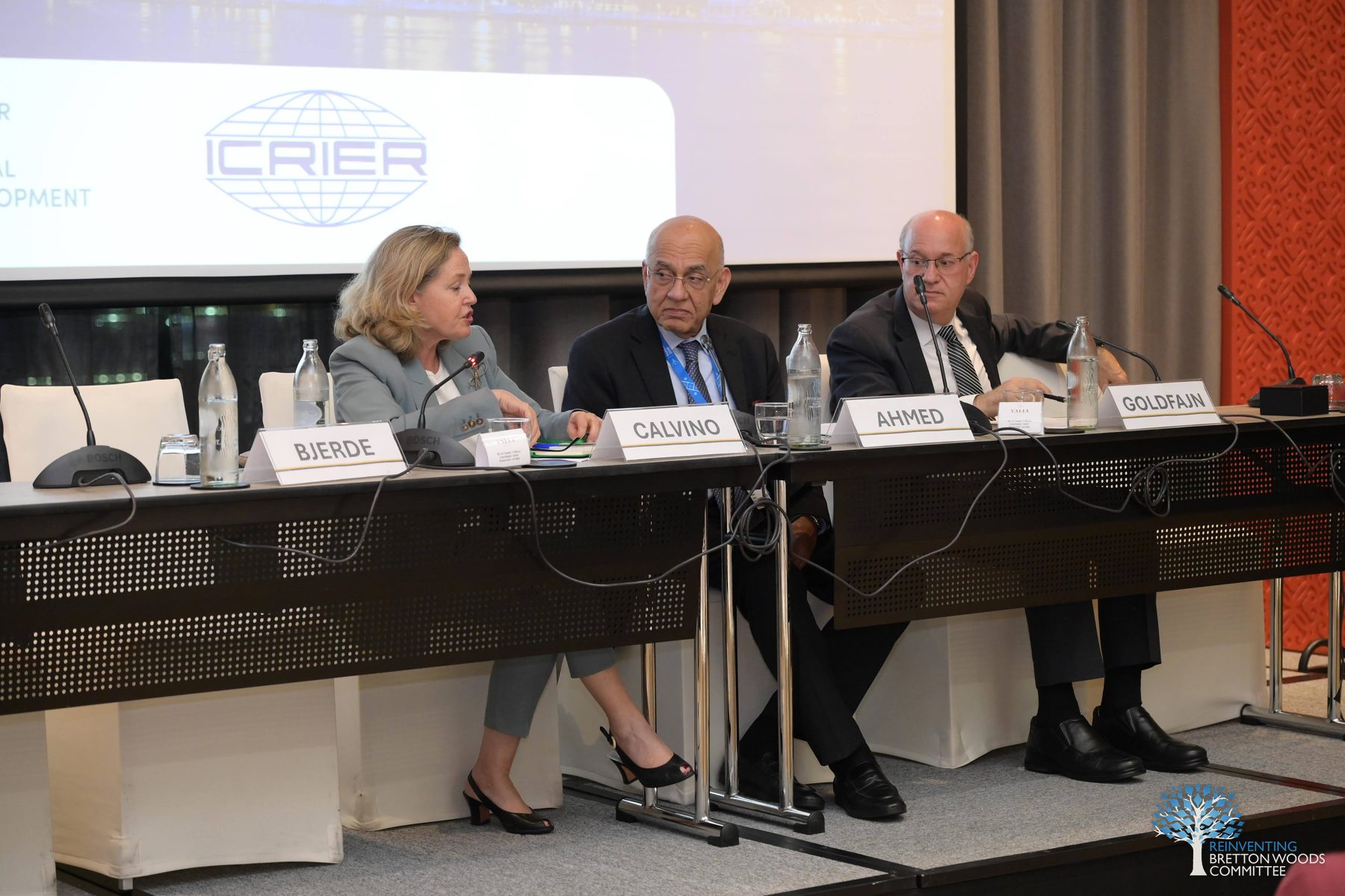
Masood Ahmed President Emeritus, Center for Global Development
Panelists
Anna Bjerde Managing Director of Operations, World Bank
Nadia Calviño President, EIB
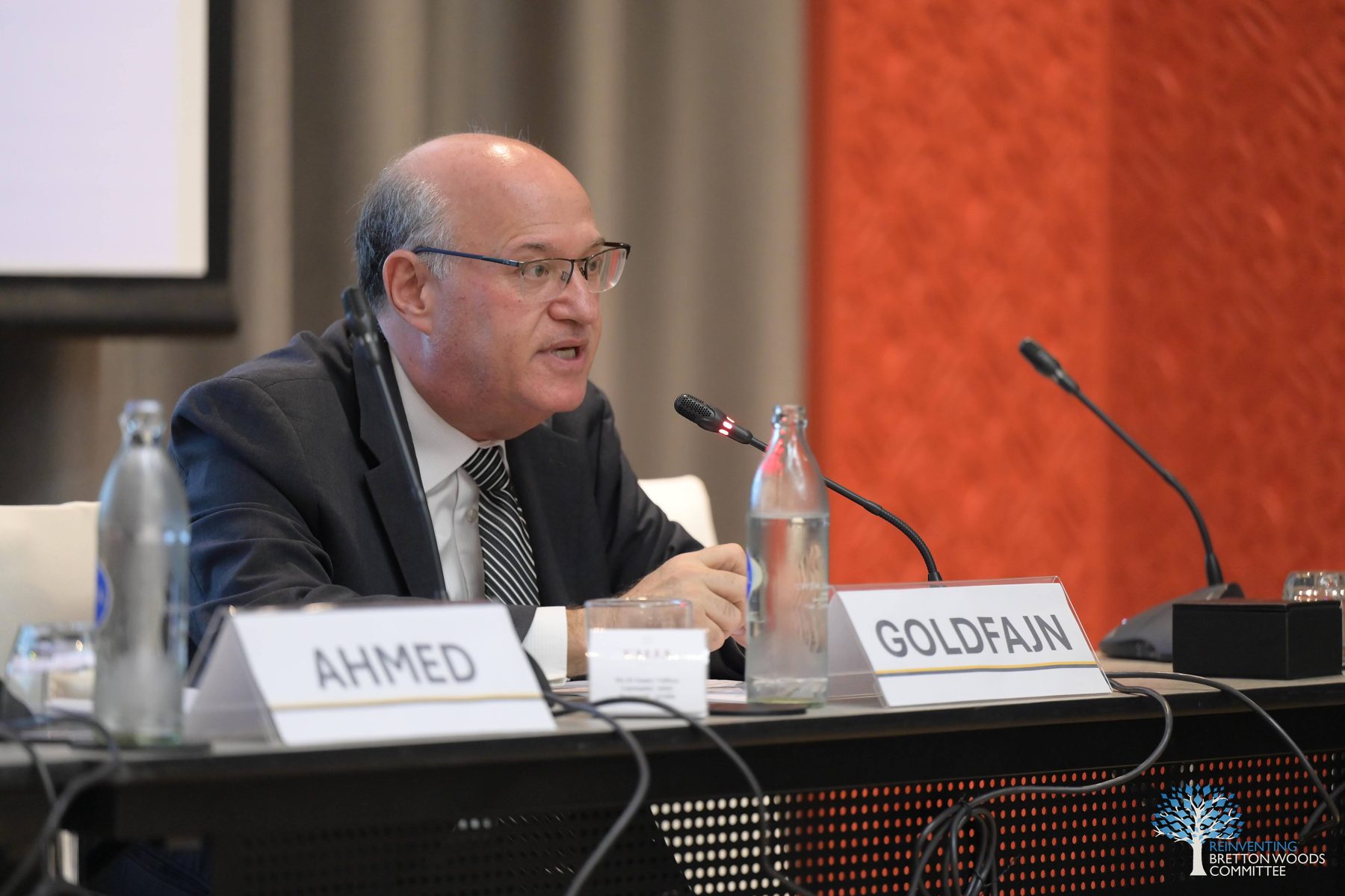
Ilan Goldfajn President, IDB
Trevor Manuel Chairman, Africa Expert Panel
N.K. Singh Co-Convener, G20 Independent Expert Group on MDB Reforms and President, Board of Trustees, Institute of Economic Growth
ODA declined by 23% last year, the largest annual decline in the history of development assistance. The five largest donors all cut lending simultaneously for the first time on record.
As with many areas of international cooperation, the G20 does not need another framework. It needs to finish the job it started and to ensure that existing commitments produce tangible results.
The first is the paradox that as what is happening around us in terms of geopolitics is growing conflict, the multilateral development institutions are working together better than ever.
I never liked the word de-risking, because it looks like you're disappearing with the risk. It's re-assuming the risk. And it's good that we assume the risk, because that mobilizes more.
It cannot be that we end up with negative financial flows from these countries, which are detracting from the capacity of local governments to invest in health and education and having stable society.
Exacerbating this is China's transition from lender to debt collector. Chinese Belt and Road lending to developing countries peaked in 2016 at about $50 billion a year. And since then, new lending since about 2023 has only been about $7 billion a year.
They look at us and say, okay, I need more resources to do a project, and I need three or four of the multilaterals. But, oh, my God, one process is a lot. Two is bearable. Three, I just forget about it.
Sometimes we will actually find areas where it's not possible to measure and yet it exists. Sometimes the invisible is the most powerful.