A Leadership Roundtable on Digital Money, Strategic Technology Dependence and Institutional Agency

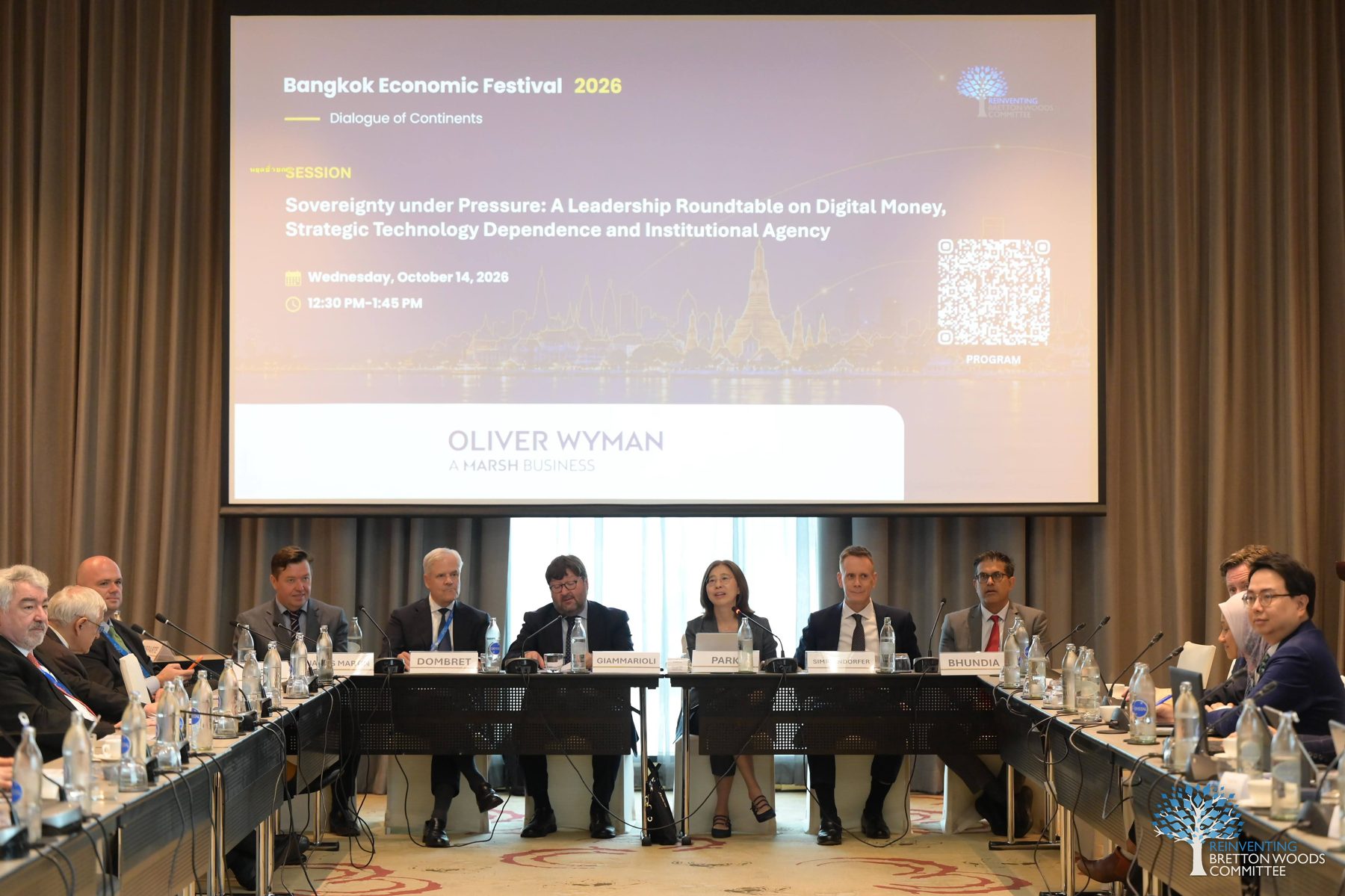
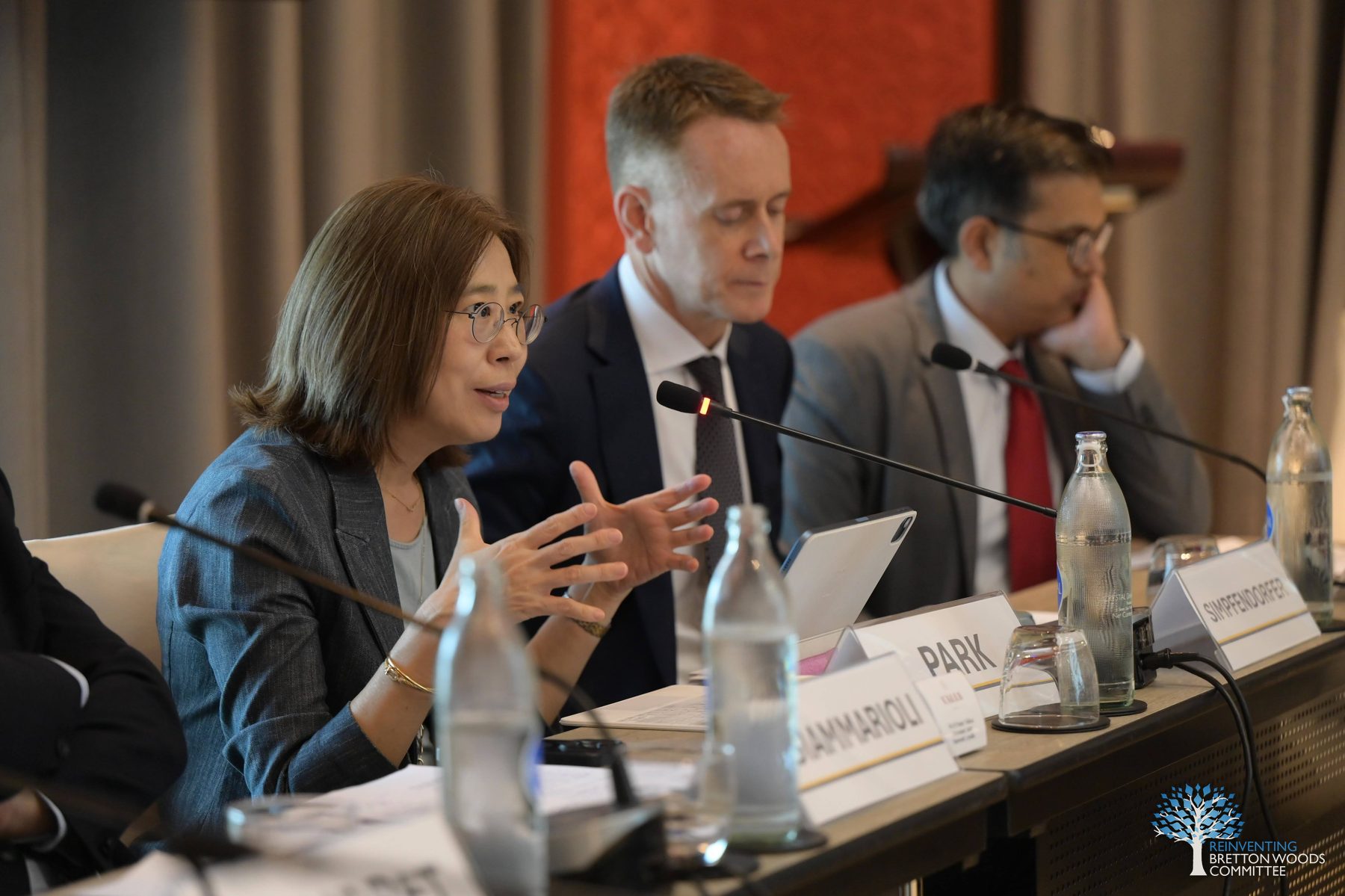
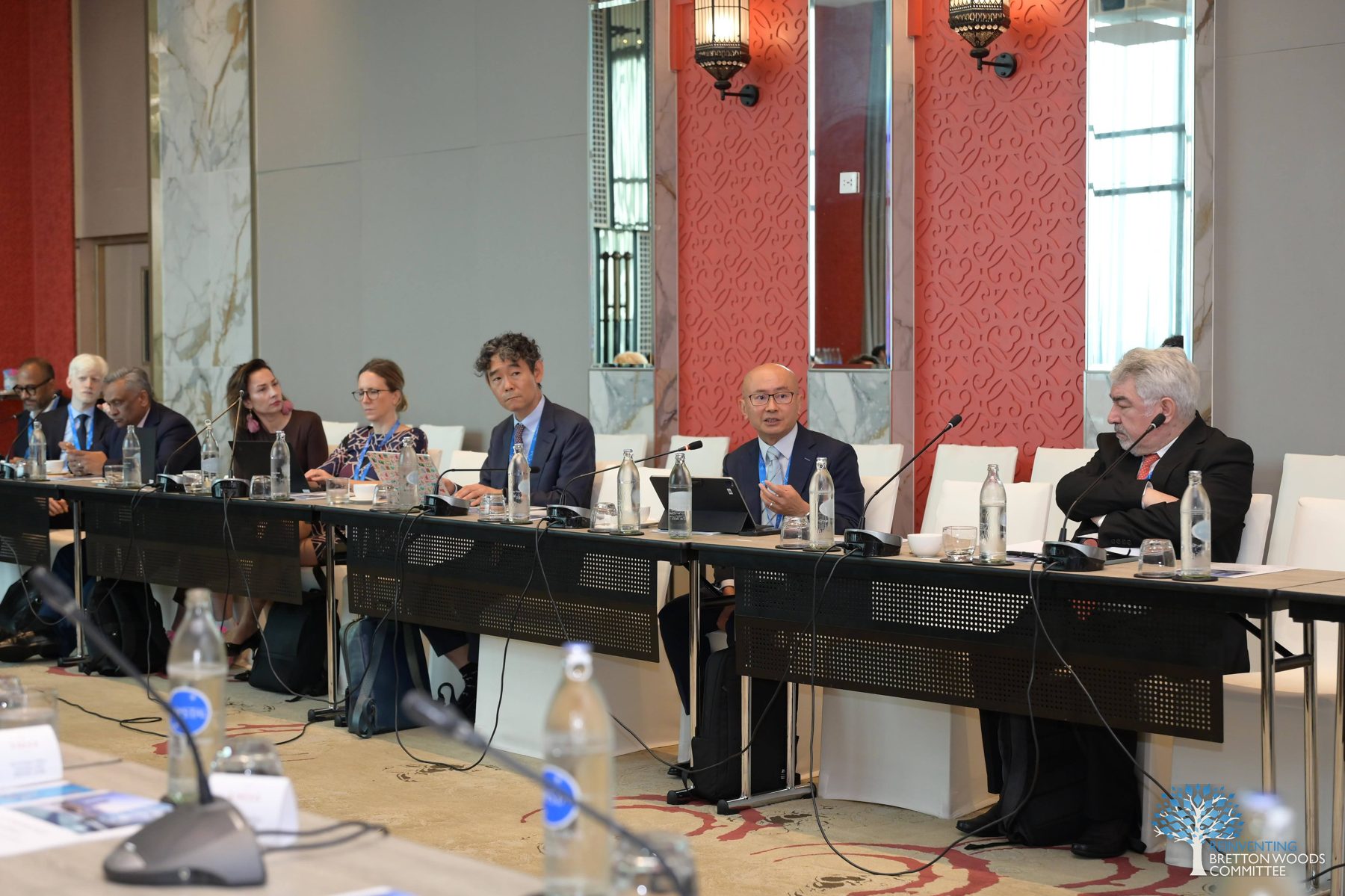
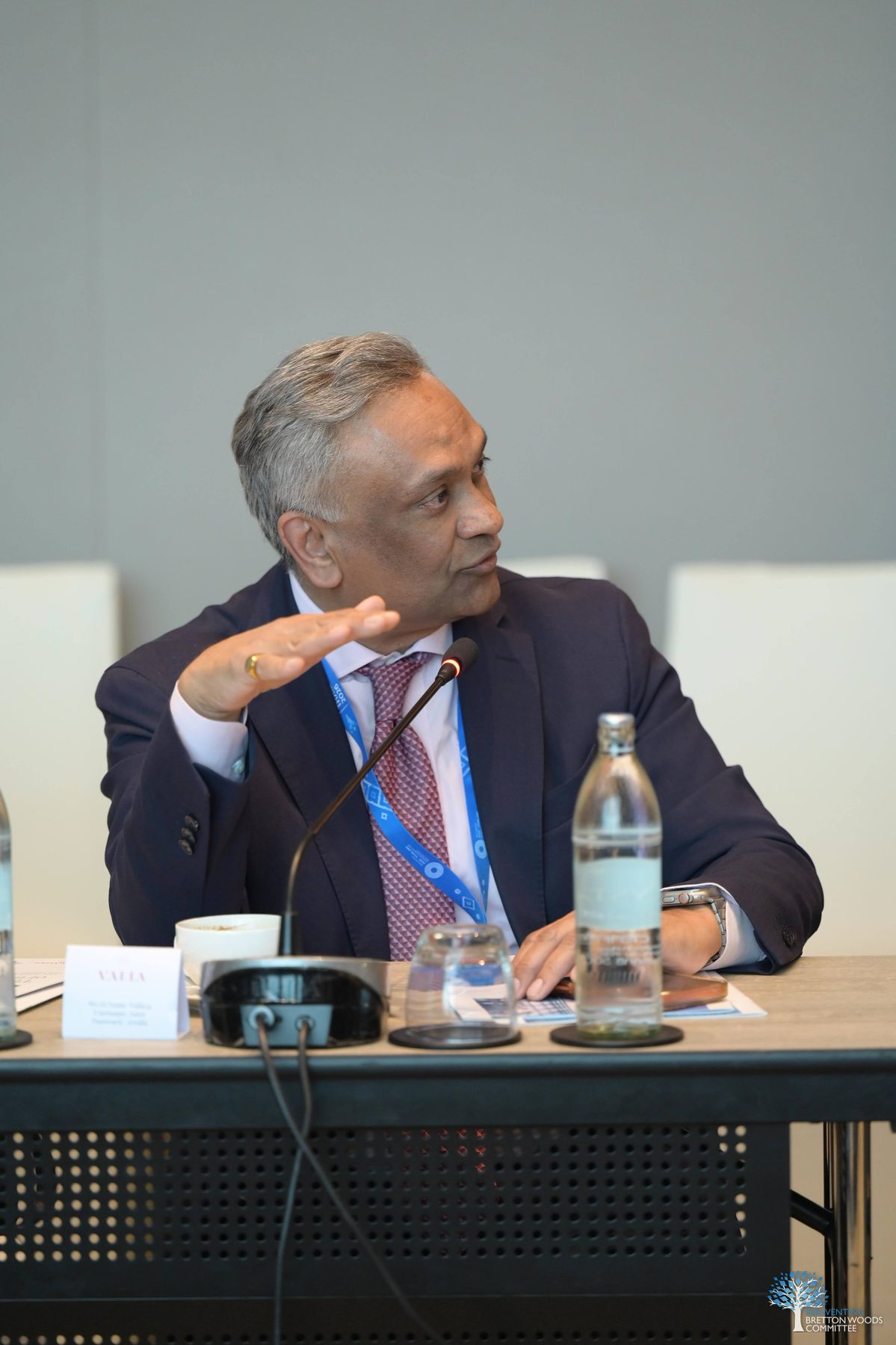
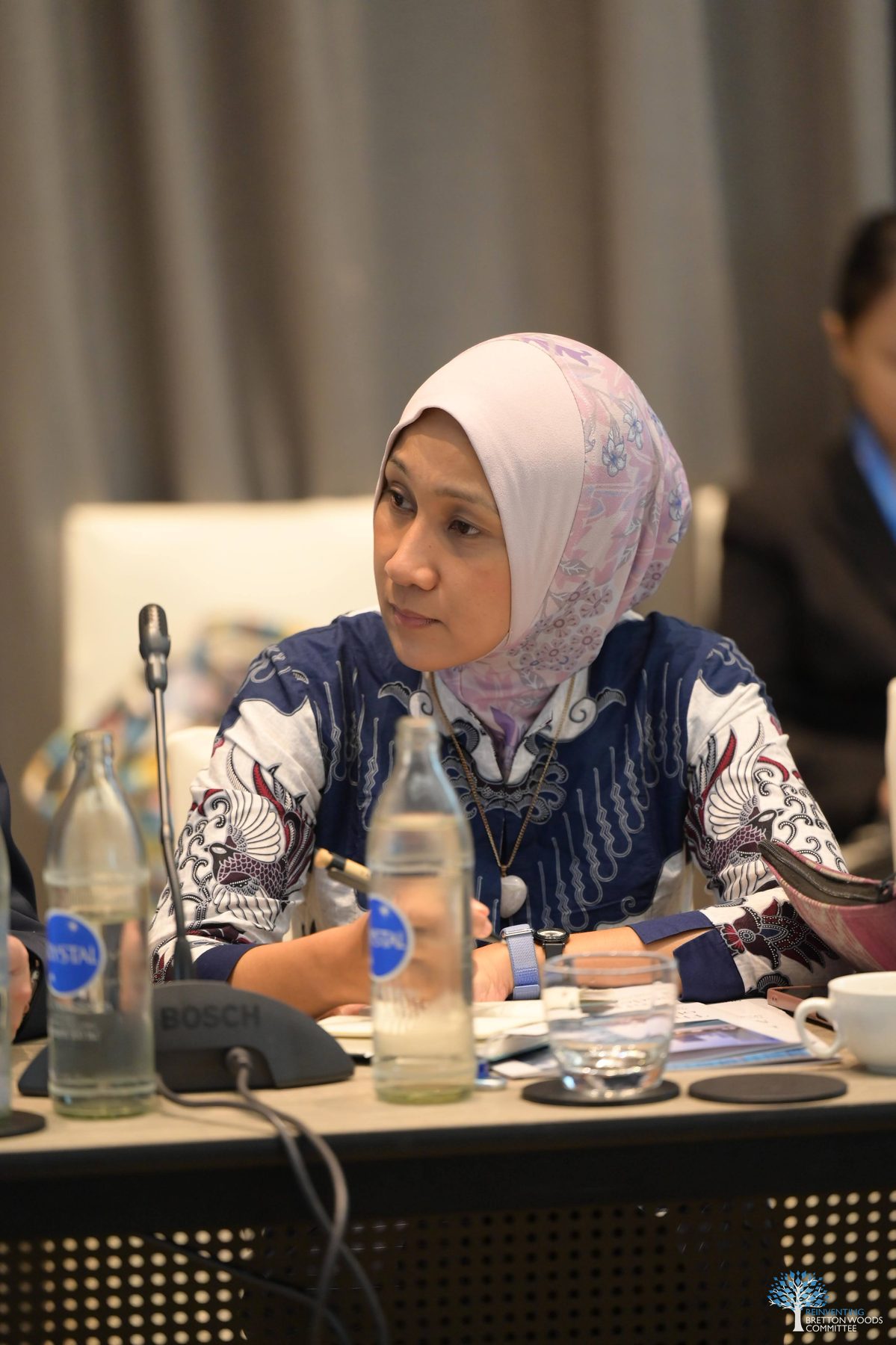
A two-part leadership roundtable chaired throughout by Cynyoung Park. Part 1 (previous session) will examine digital money and the future monetary architecture. Following a 30-minute lunch break, Part 2 (this session) will reconvene from 12:30 to 13:45 to examine sovereignty, strategic technology dependence and institutional agency.
The two parts are deliberately connected, but Part 2 is broader in scope. Part 1 uses digital money as a concrete and immediate example of how mandate-critical functions, infrastructure, data and responsibilities are becoming distributed across private actors and jurisdictions. Part 2 widens the lens to the full range of external dependencies and strategic pressures that can constrain a financial authority’s agency — including the risk that critical capabilities are denied, sensitive information is exposed, analytical inputs are distorted or dependencies are used as leverage. Digital money is therefore one important manifestation of the wider sovereignty challenge, not its boundary. The combined conversation moves from the design and governability of a changing monetary architecture to the more fundamental question of how financial authorities preserve both their ability to execute decisions and the integrity of the judgement behind them under disruption, geopolitical pressure or deliberate external threat.
Reframing monetary sovereignty for the digital era
Monetary sovereignty is not a binary condition and cannot be reduced to control over currency issuance. A jurisdiction may retain its domestic unit of account while losing influence over payment channels, savings behaviour, data visibility or crisis transmission. The relevant question is which policy capabilities are weakened, which opportunities emerge and which compensating tools are available.
Stablecoins, tokenised money and the next evolution of monetary control
Stablecoins create a globally accessible foreign-currency store of value and can lower the friction of cross-border currency substitution. At scale, they may affect payments, savings, bank funding, policy transmission, capital flows and the role of central-bank money. Policy responses should connect prudential rules, reserve and redemption standards, data access, payments oversight, monetary analysis and crisis preparedness.
Technology sovereignty and the institutional control dilemma
Critical financial mandates increasingly depend on infrastructure and providers outside the institution or jurisdiction. Geopolitical fragmentation, provider concentration, export controls, sanctions, extraterritorial legal reach and fragile supply chains turn technology decisions into strategic choices. Institutional agency is built through architecture, procurement, legal protections, partnerships,governance, skills and investment.
Different strategic positions, different sovereignty strategies
The United States, Europe, emerging markets, GCC economies and Asian financial centres face different combinations of monetary reach, infrastructure dependence, digital dollarisation, cross-border liquidity and technology exposure. No jurisdiction can replicate another’s playbook; each must combine its strategic advantages with proportionate management of dependencies.
From abstract sovereignty to practical institutional agency
Authorities should begin with mandate-critical capabilities and explicit risk appetite. For each capability, they should determine the required degree of control, acceptable dependencies, interoperability requirements, substitution options and crisis arrangements. Success is not maximum ownership, but the ability to continue acting, adapting and deciding as conditions change.
This session is Part 2 of a two-part leadership roundtable. It will examine sovereignty, strategic technology dependence and institutional agency. Part I which precedes at 10:30-12:00 examines digital money and the future monetary architecture. A 30-minute lunch break will be served between the two parts.
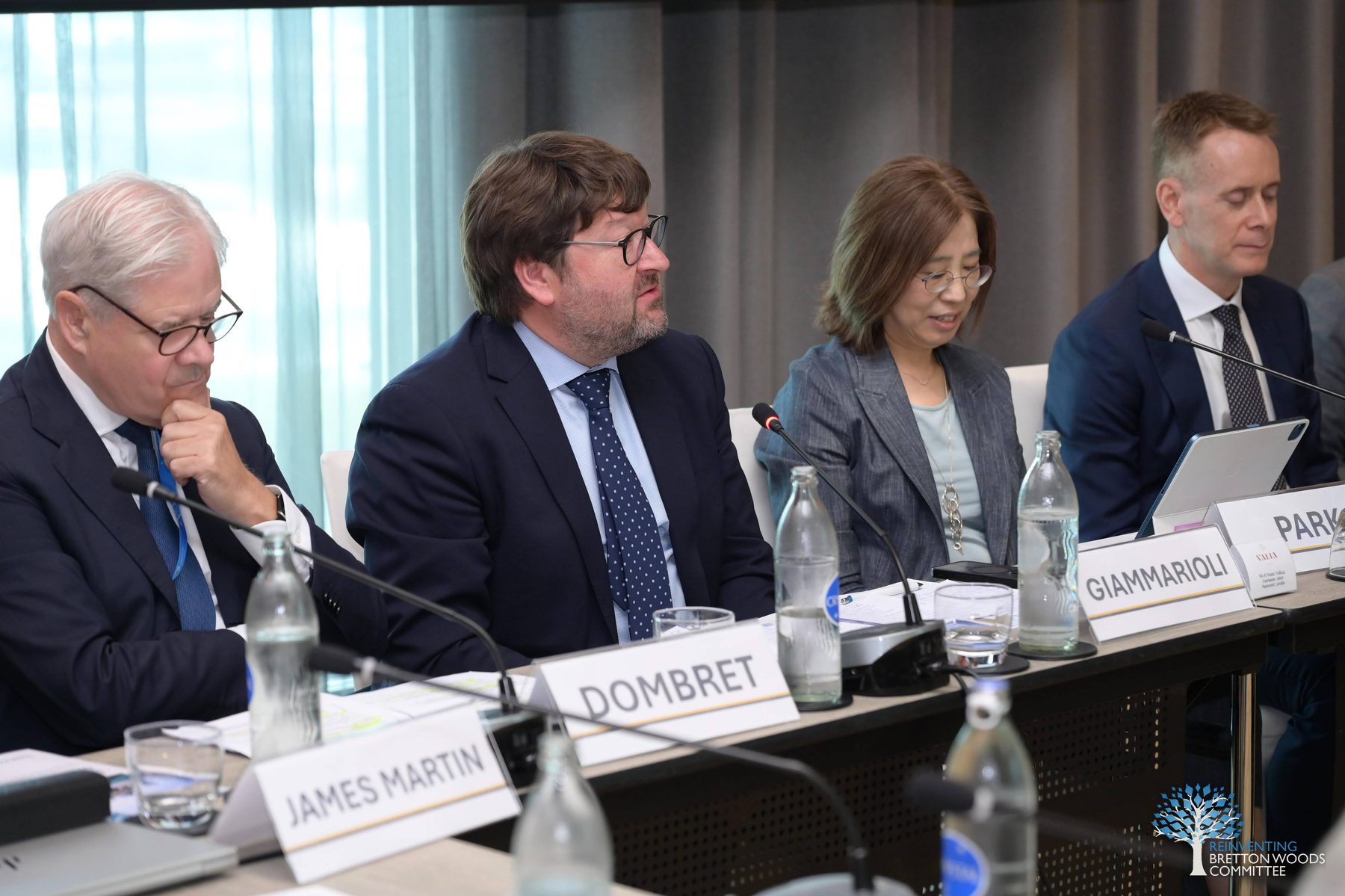
Chair
Cynyoung Park Executive Director, The SEACEN Center
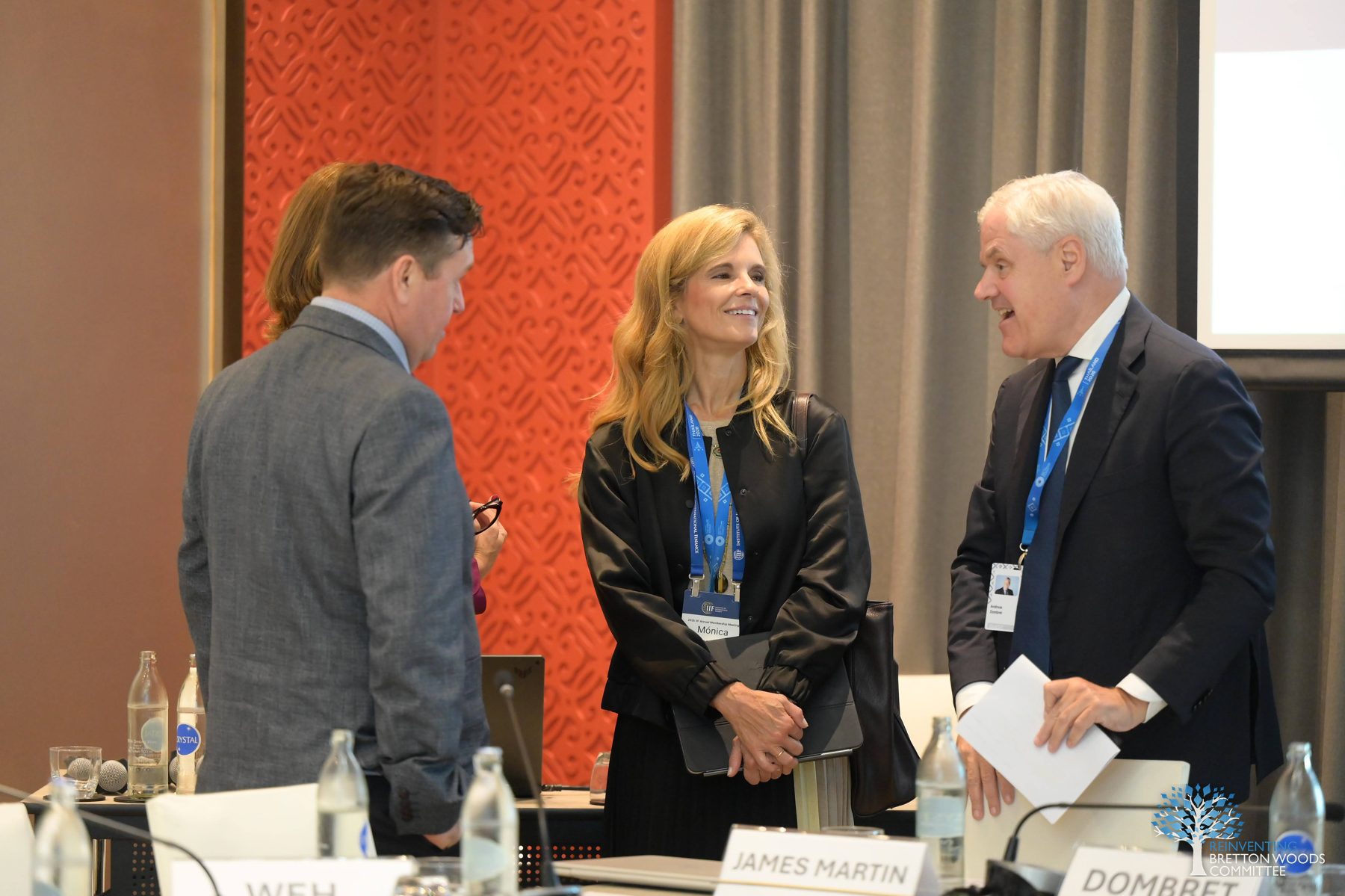
Speakers
Andreas Dombret Chairman of the Board, N26; Global Senior Advisor, Oliver Wyman
Stephen James Martin Head of Security and Compliance for Financial Services Industries
Ashok Bhundia Deputy Chief Economist, Institute for International Finance
Ben Simpfendorfer Head of the Oliver Wyman Forum, Asia-Pacific and Partner, Oliver Wyman Hong Kong,
Nicola Giammarioli Secretary General, European Stability Mechanism
Closing synthesis
Dominik Weh Partner and Global Head of the Central Bank and Financial Authorities Platform, Oliver Wyman