Financing, Growth and the Path Forward
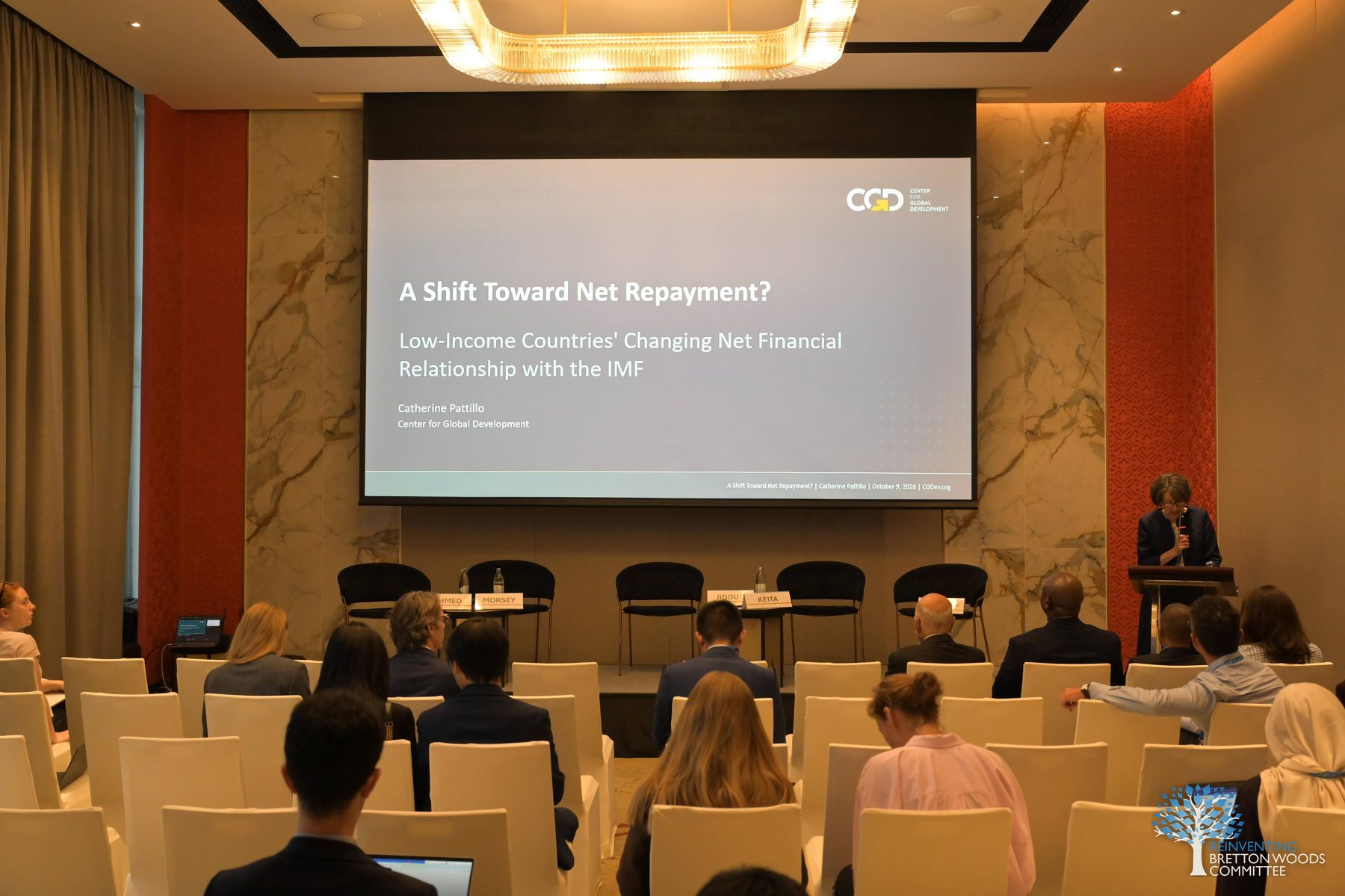
This event, organized by the Center for Global Development, will examine one of the central development finance challenges of the coming decade: how low-income countries (LICs) can simultaneously maintain macro and debt sustainability and invest in growth, at a time of larger and more frequent shocks, sharply reduced aid, higher borrowing costs, and heavy debt service burdens. Adding to the challenge, IMF net flows to LICs are projected to turn negative by the end of the decade, as the exceptional COVID-era lending wave starts to come due. This raises questions about how to ensure the Fund's concessional lending frame worksand program design are adequately calibrated for this fundamentally changed environment.
The panel will bring together senior policymakers, development finance officials, and independent experts to discuss what this changed environment means for the IMF role in LICs in the context of the broader development finance architecture — including what a more adequate and effective response might look like in terms of finance volumes, policy prescriptions, and program design. The discussion will be framed by newCGD analysis on IMF net financing flows to LICs.
Welcome Remarks
Rachel Glennerster President, CGD
Brief Presentation
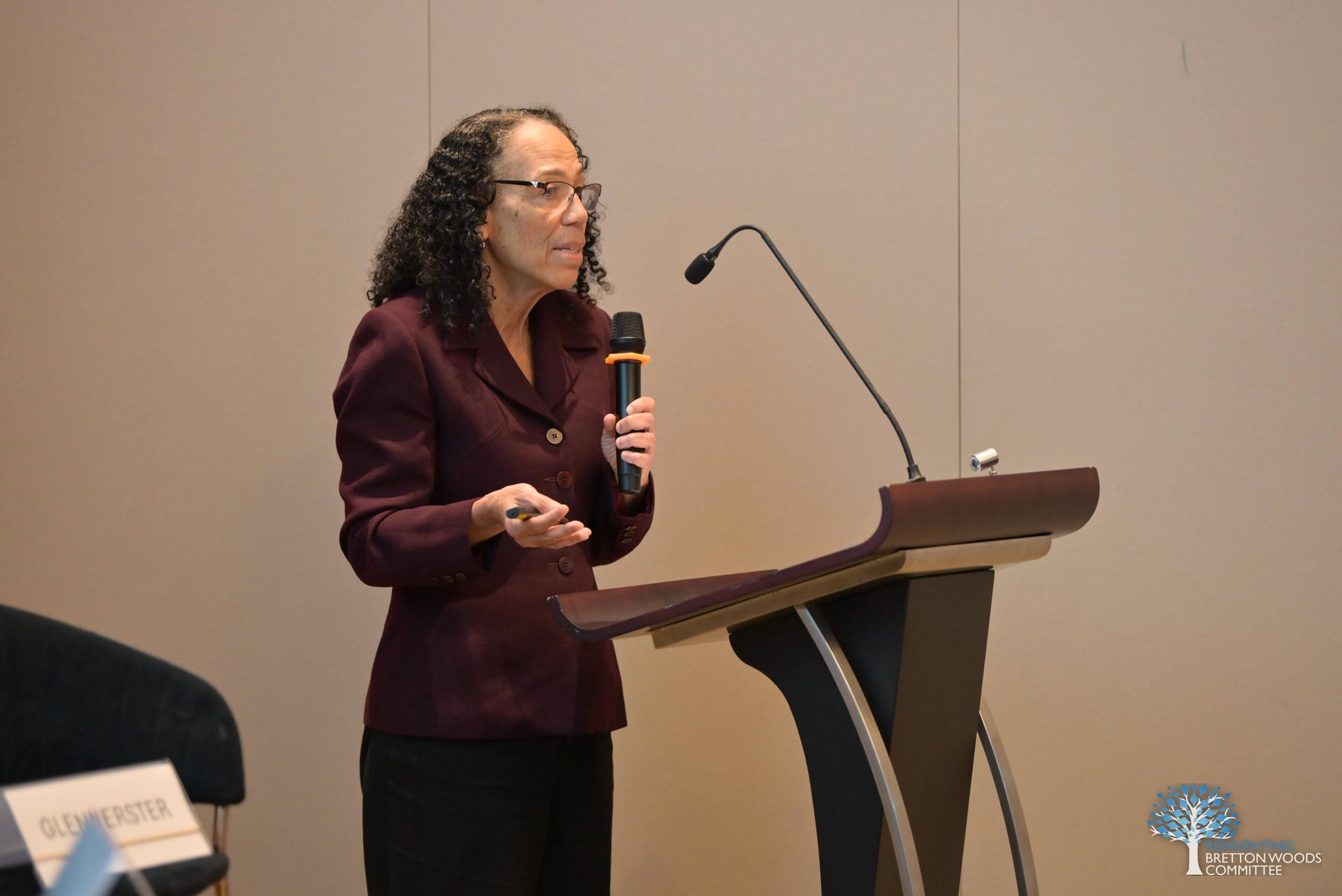
Catherine Pattillo Senior Fellow, Center for Global Development
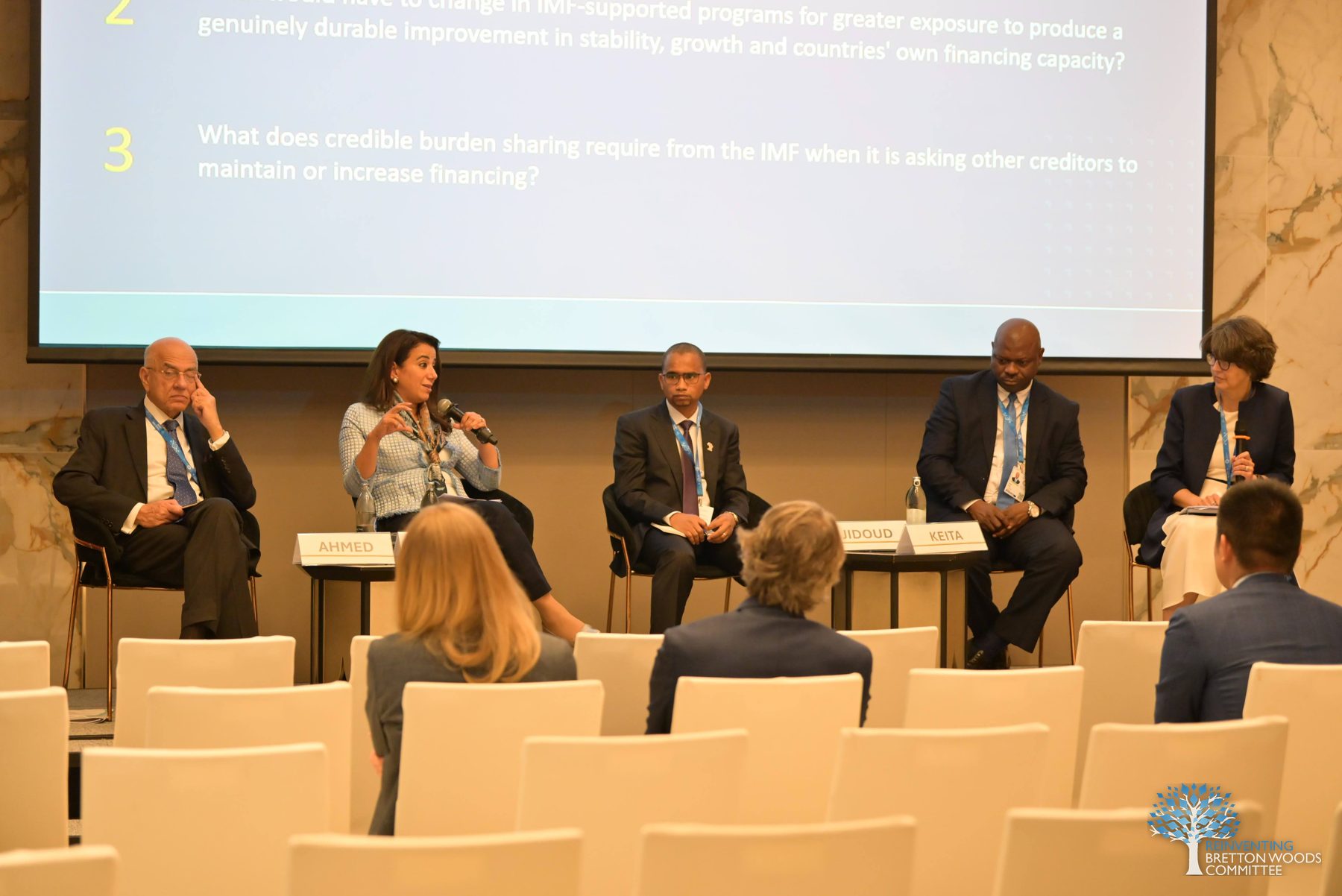
Panelists
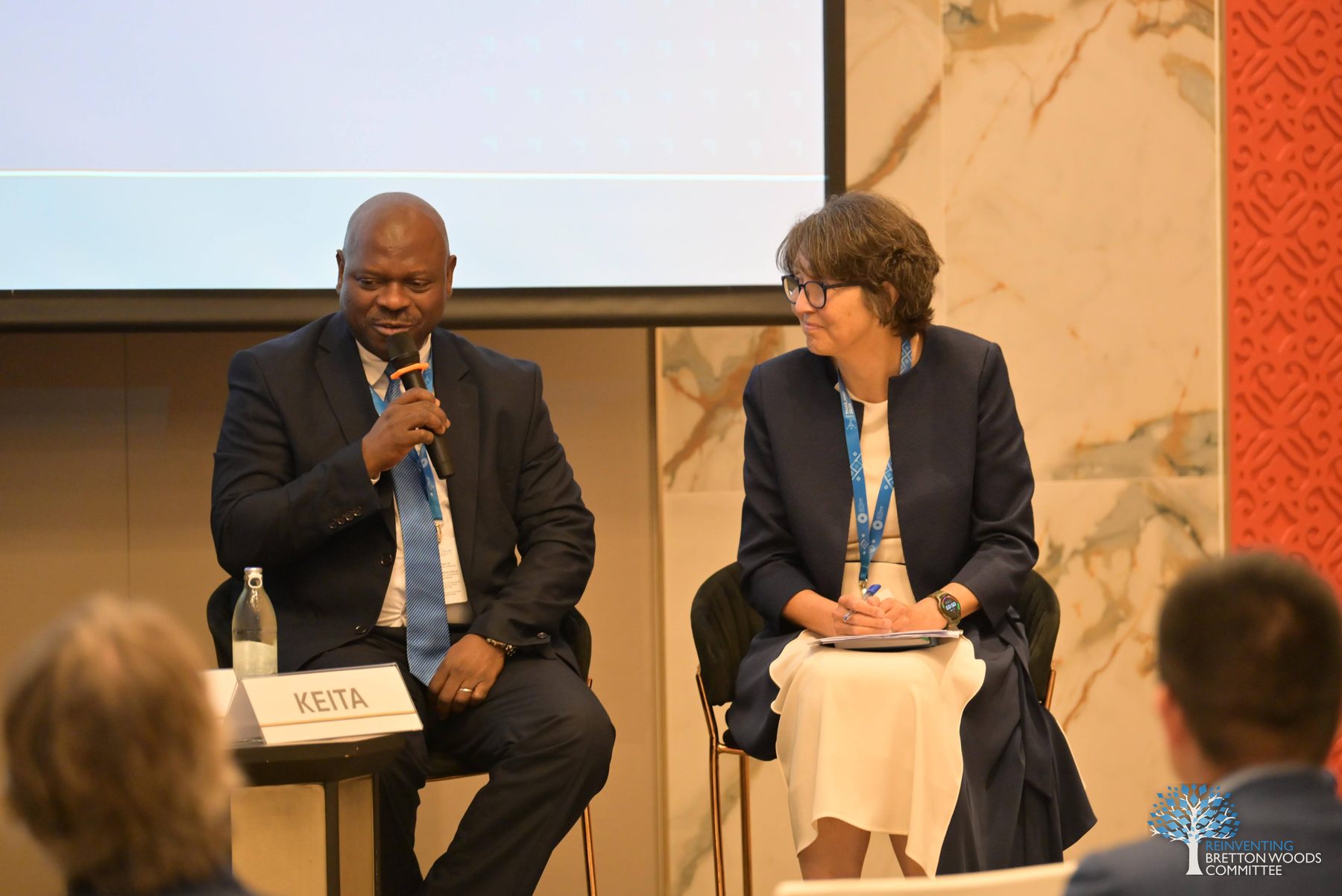
Seedy Keita Minister of Finance, Republic of The Gambia
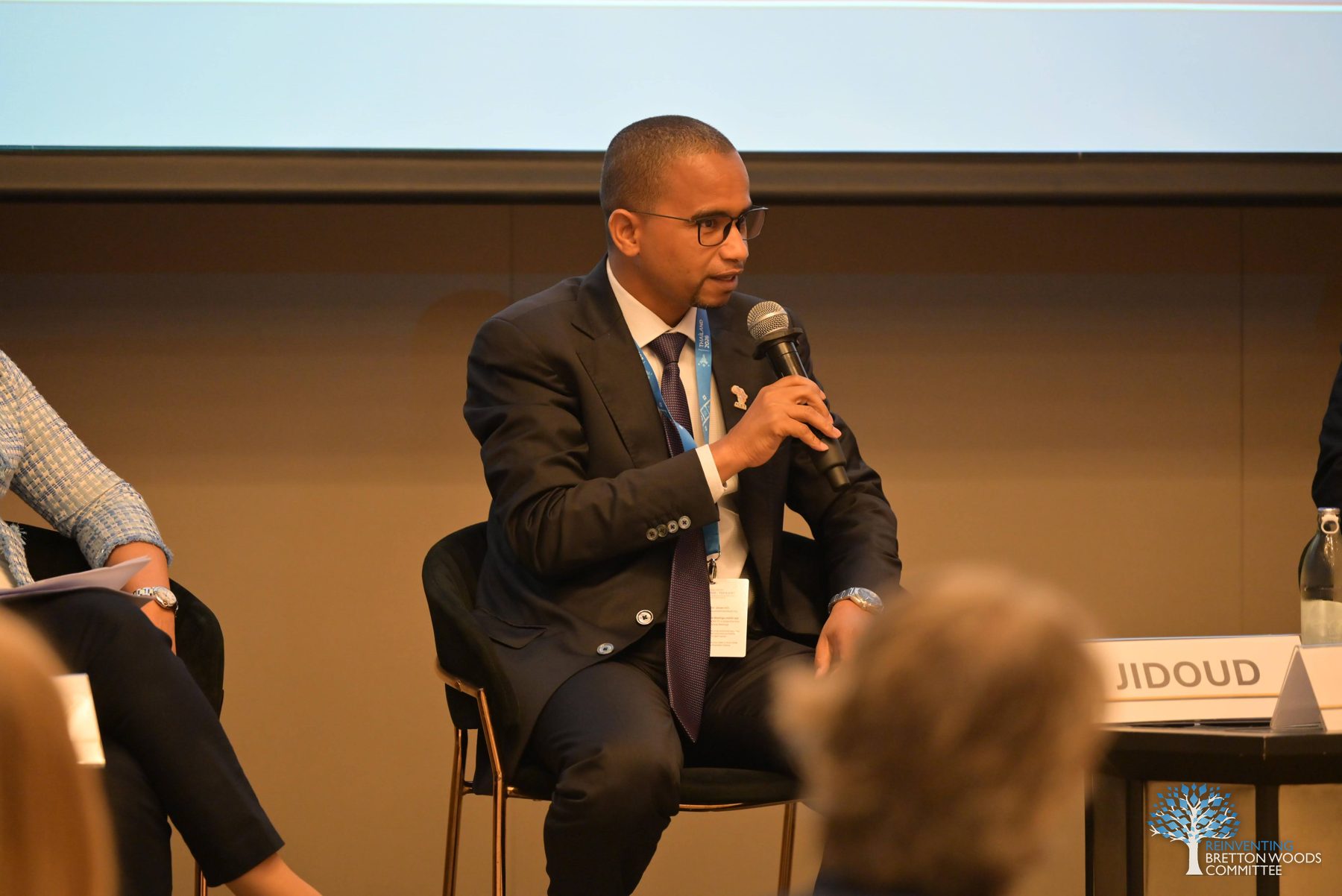
Ahmat Jidoud Former Minister of Finance, Niger and Distinguished Fellow, ACET.
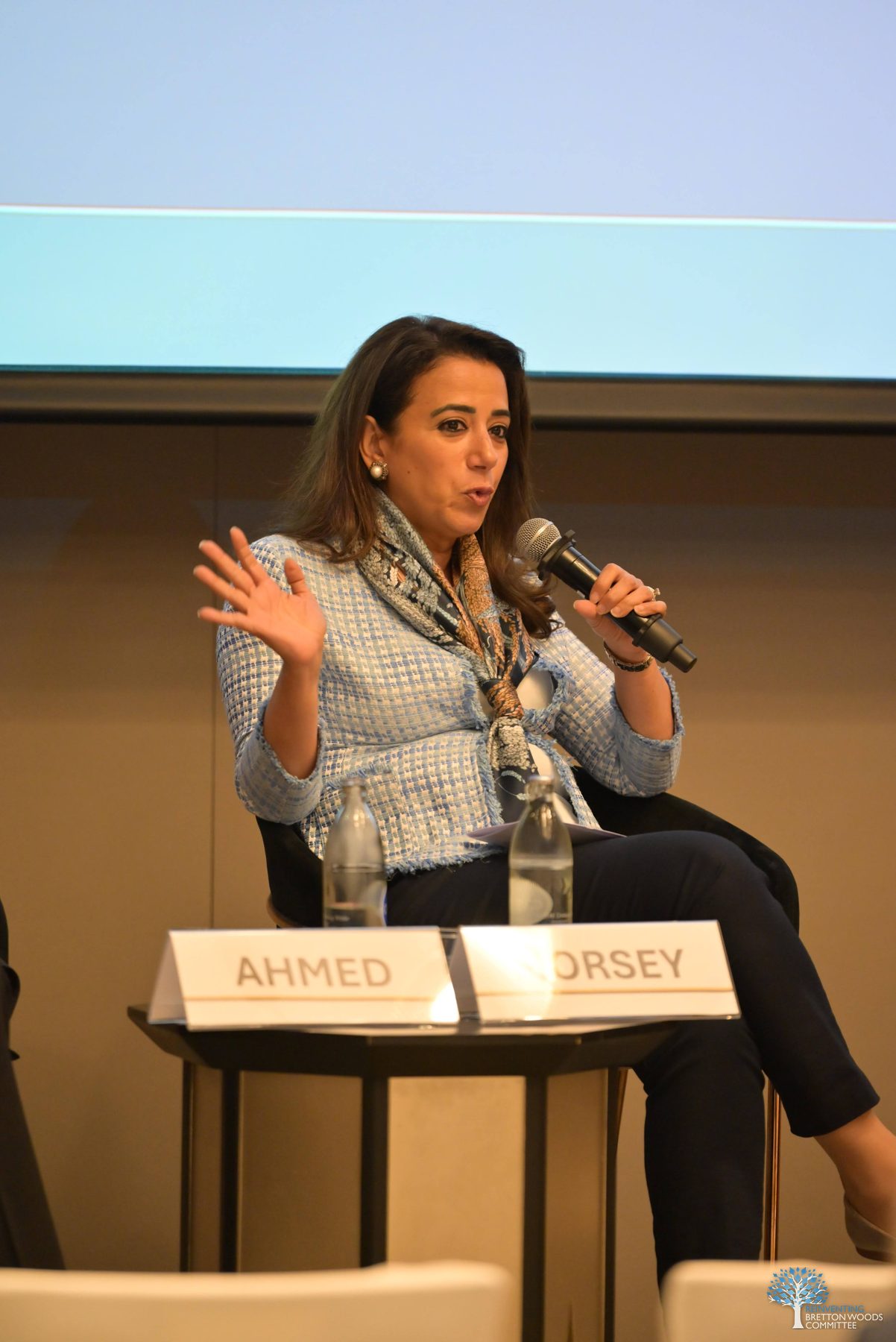
Hanan Morsey Deputy Executive Secretary and Chief Economist, UNECA
Moderator
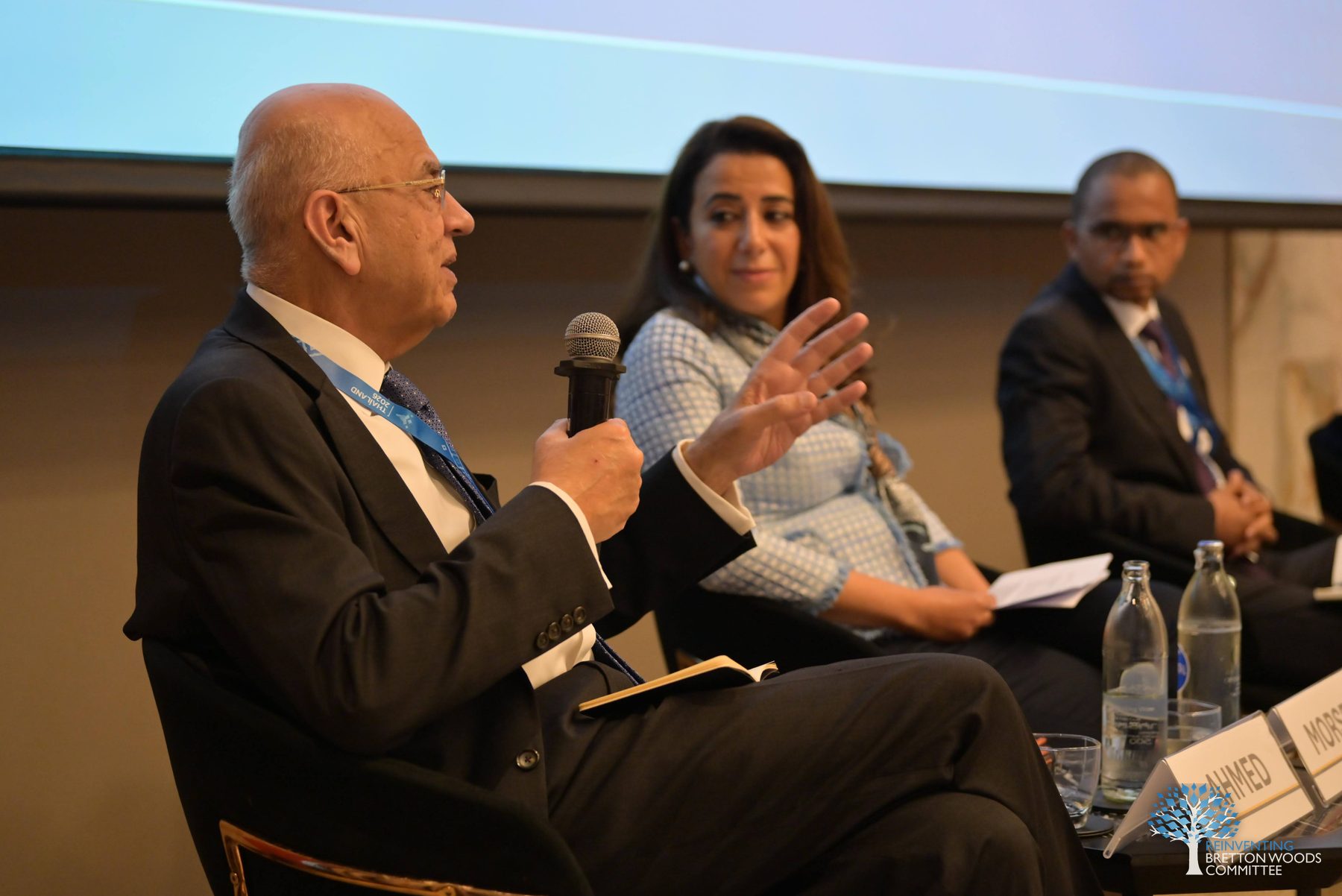
Masood Ahmed President Emeritus, Center for Global Development
A sustained shift toward net repayment at this difficult time should be a conscious policy choice for the IMF members rather than simply emerging from the existing settings, a little bit by default.
As we speak, we are preparing our budget for 2027, and we are allocating 30% of our budget servicing the debt. And this moved from 24% last year. So increasingly, we are allocating more to the debt service than health, agriculture, and education combined.
The LIC DSF manages risk, but it doesn't weigh returns, because the question the DSF asks is how much a country can borrow. It doesn't ask about what this debt is financing. It's not asking whether this debt is worth it.
What perhaps the system fails to recognize is that we've moved from the old model of episodic shocks to a new norm of continuous global shocks, and that requires a rethinking of the design of what we have currently.
The other lenders and providers of funding are pulling back. So this is not the moment for the IMF to choose to be in one of its rare periods when it also is pulling money out of these countries.
There's enough money in Africa. It's how you mobilize it. Our pension funds, our central banks, they all are sitting on tons of money, our insurance company.
Based on studies of IFC equity investments in infrastructure projects in Africa, what they found is that the returns were six times S&P 500. So I don't think that the growth of the region really captured the level of the returns of these investments.