Reinventing Bretton Woods CommitteeBangkok Economic Festival
Back to the week

Debt Governance 2.0:

From Perimeters to Adaptive Risk Governance


Date
Monday 12 October
Time
08:00 to 12:00
Venue
Valia Hotel, Bangkok

Session partners

International Budget PartnershipEnergy for Growth Hub

Overview

Governments have always accumulated obligations and exposures outside direct central-government borrowing. Yet the prevailing legal and institutional architecture for debt governance, which we refer to as “Debt Governance 1.0”, has developed primarily around discrete categories of public and publicly guaranteed borrowing. This leaves fiscal, quasi fiscal and external risks arising outside of the government’s balance sheet and through contractual and financing arrangements fragmented across institutions and legal frameworks, and poorly captured.

This gap is increasingly important to address. As low- and lower-middle-income countries seek to meet substantial infrastructure and energy investment needs under constrained fiscal and debt conditions, financing through state-owned enterprises and utilities, reliance on long-term offtake agreements, guarantees and project-finance structures can mobilize investment that might otherwise not occur. However, these arrangements can also defer or obscure public costs, particularly where returns depend on tariffs, subsidies, foreign-currency revenues or other public support.

How can governments preserve their capacity to mobilize essential investment while ensuring that public costs and exposures are properly assessed, authorized, monitored and reviewed? This roundtable will discuss how Debt Governance 2.0 could extend and build on the prevailing governance frameworks to achieve this goal, complementing existing controls with a dynamic approach to public financial risk governance.

Guiding Questions

  • Why are financing structures outside traditional sovereign borrowing created, and what investment or policy objectives do they serve?
  • How should economic, financial, fiscal and social viability—and the assumption sunderpinning each—be assessed together?
  • Which risks should governments assume to enable investment, and which should remain with investors or other parties?
  • How do risks evolve across contracts, institutions and balance sheets, and where do the resulting costs and losses ultimately fall?
  • Who should assess and authorize public risk, and how should its expected cost be disclosed, budgeted and monitored?
  • What information and warning signs should trigger reassessment, mitigation, repricing or renegotiation?
  • How should responsibilities be divided among finance ministries, debt management offices, sector institutions, SOEs, regulators, central banks, public banks and oversight bodies?
  • Which improvements require legislation, and which depend primarily on mandates, coordination and accountability?

Session Programme

  1. Welcome and Objectives

  2. Session 0 – Framing Debt Governance 1.0 and 2.0

    Presenter

    Anahí Wiedenbrüg International Institute for Sustainable Development

  3. Session 1 – From Investment Need to the Materialization of Risk

    Moderator

    Anna Gelpern Sovereign Debt Forum, Georgetown University

    Lead speakers

    Maryann Lwandamina Zambian Debt Management Office

    Reza Baqir Managing Director and Global Practice Leader, Sovereign Advisory Services, Alvarez & Marsal

    M. Ali Abbas Deputy Director, Fiscal Affairs Department,IMF

    Mohamed Badissy Co-Director, PPA Transparency

    Energy for Growth Hub

  4. Coffee Break

  5. Session 2 – Dynamic Risk Management for Sustainable and Accountable Investment

    Moderator

    Sally Torbert Global Lead, Policy and Research, International Budget Partnership

    Lead speakers

    Kim Robert De Leon Acting Secretary, Department of Budget and Management, Philippines

    Elsie Addo Awadzi Visiting Fellow, Blavatnik School of Government, University of Oxford

    Udaibir Das Vice Chair

    Official Monetary and Financial Institutions Forum

    Nishan de Mel Founder and Executive Director

    Verité Research
  6. Synthesis and Next Steps

  7. Buffet Lunch

On the Programme

Anahí WiedenbrügInternational Institute for Sustainable Development
Anna GelpernSovereign Debt Forum, Georgetown University
Maryann LwandaminaZambian Debt Management Office
Reza BaqirManaging Director and Global Practice Leader, Sovereign Advisory Services, Alvarez & Marsal
M. Ali AbbasDeputy Director, Fiscal Affairs Department, IMF
Mohamed BadissyCo-Director, PPA Transparency
Sally TorbertGlobal Lead, Policy and Research, International Budget Partnership
Kim Robert De LeonActing Secretary, Department of Budget and Management, Philippines
Elsie Addo AwadziVisiting Fellow, Blavatnik School of Government, University of Oxford
Udaibir DasVice Chair
Nishan de MelFounder and Executive Director

In the Room

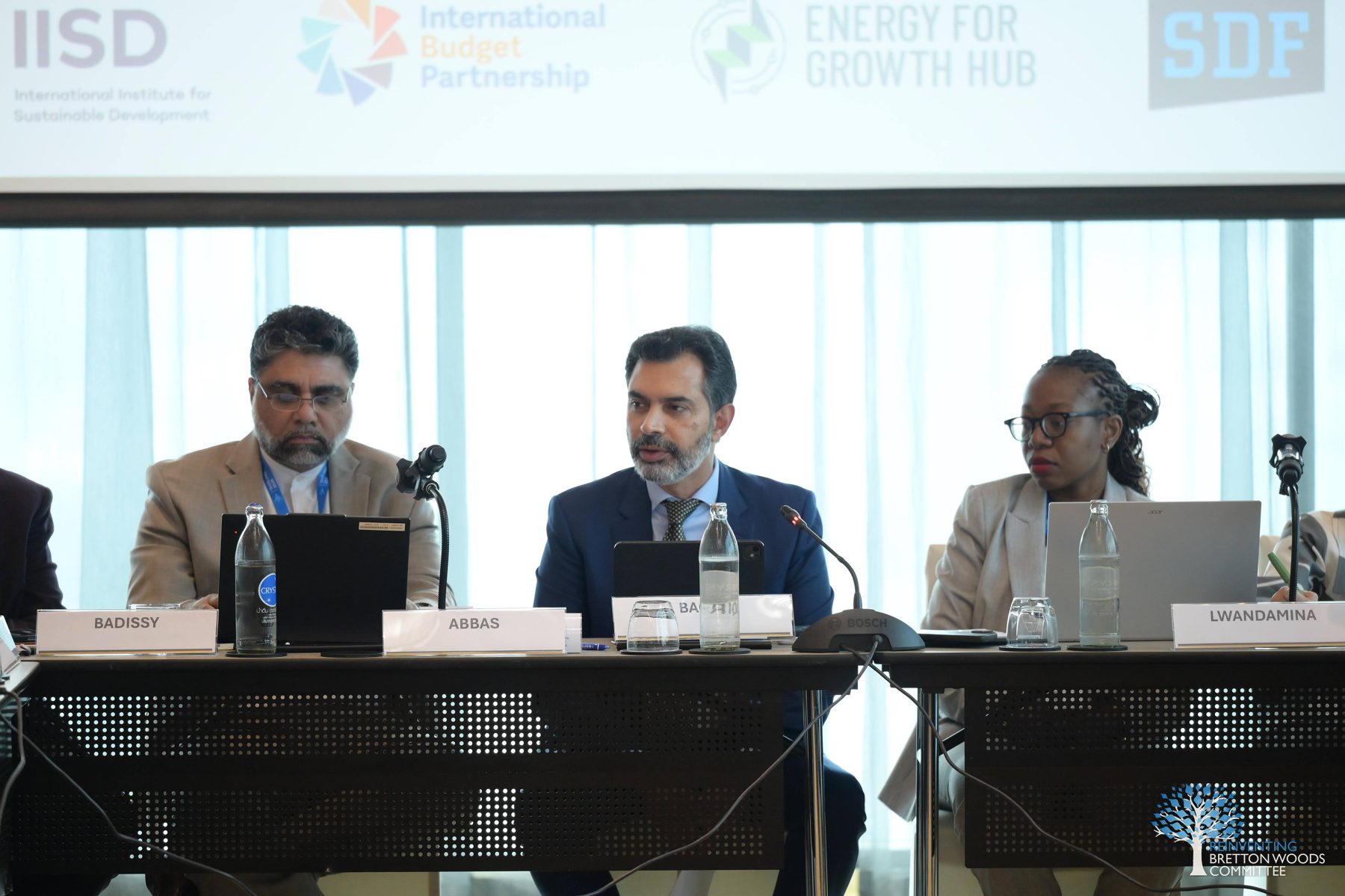
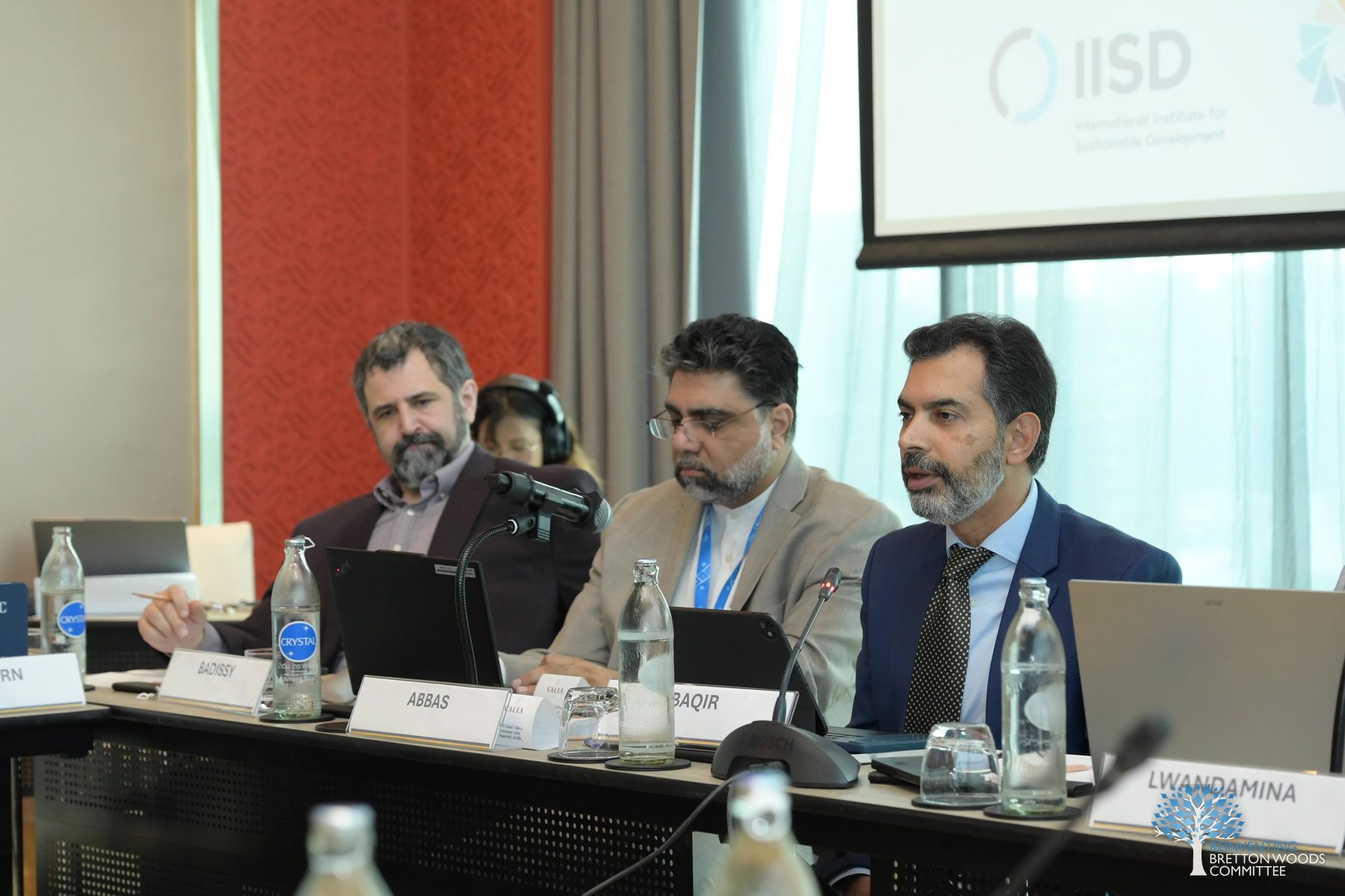
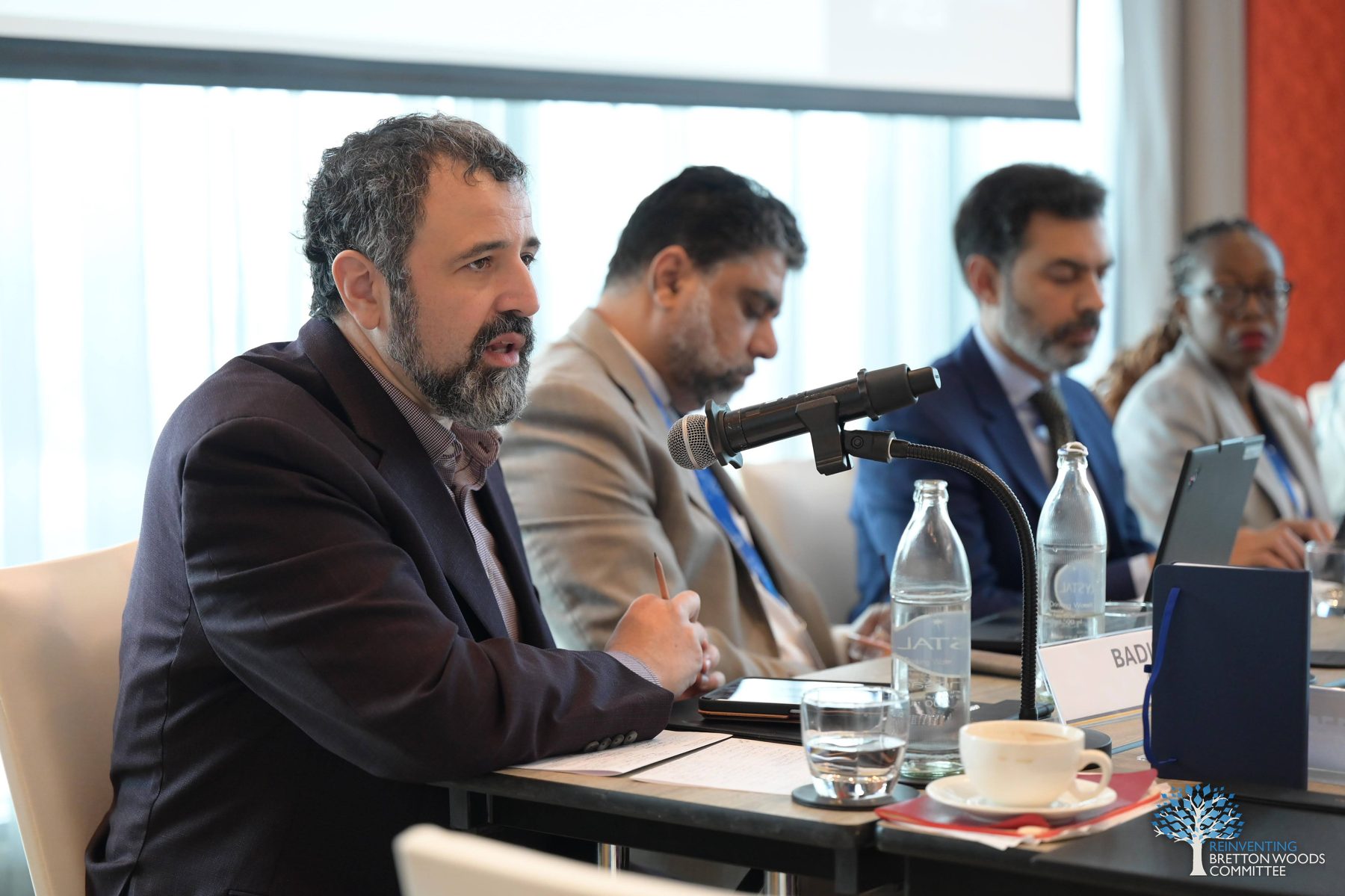
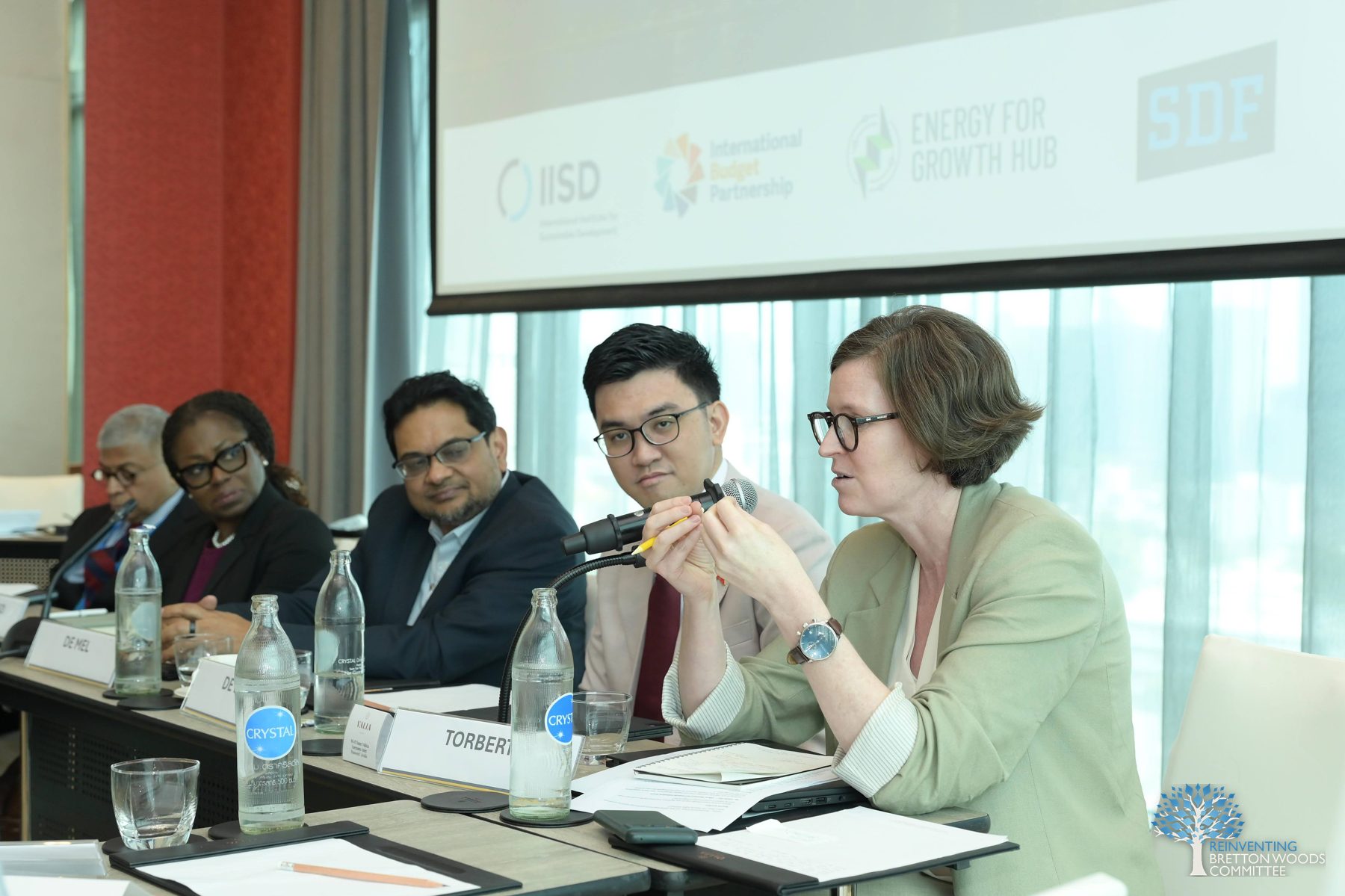
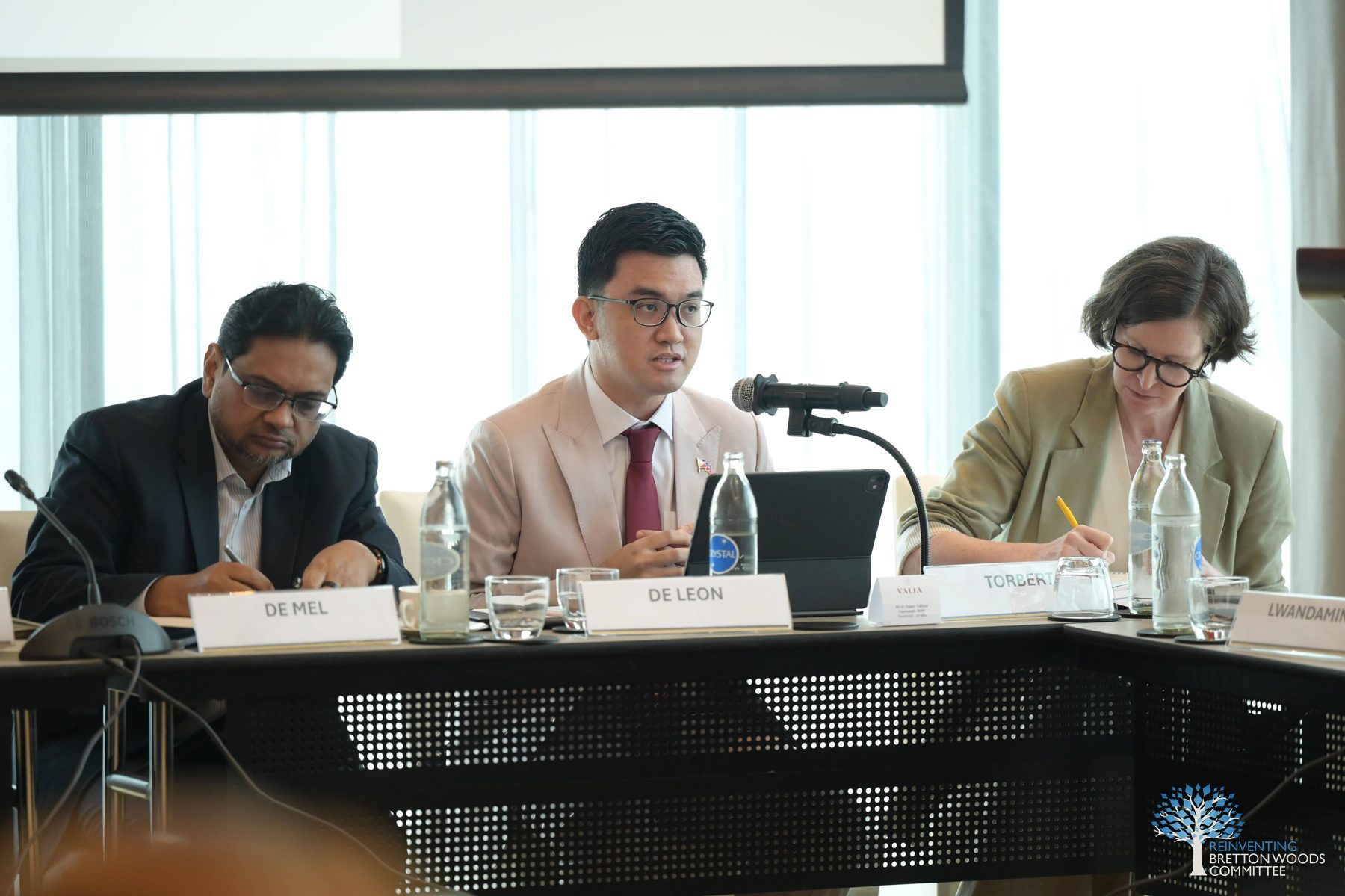
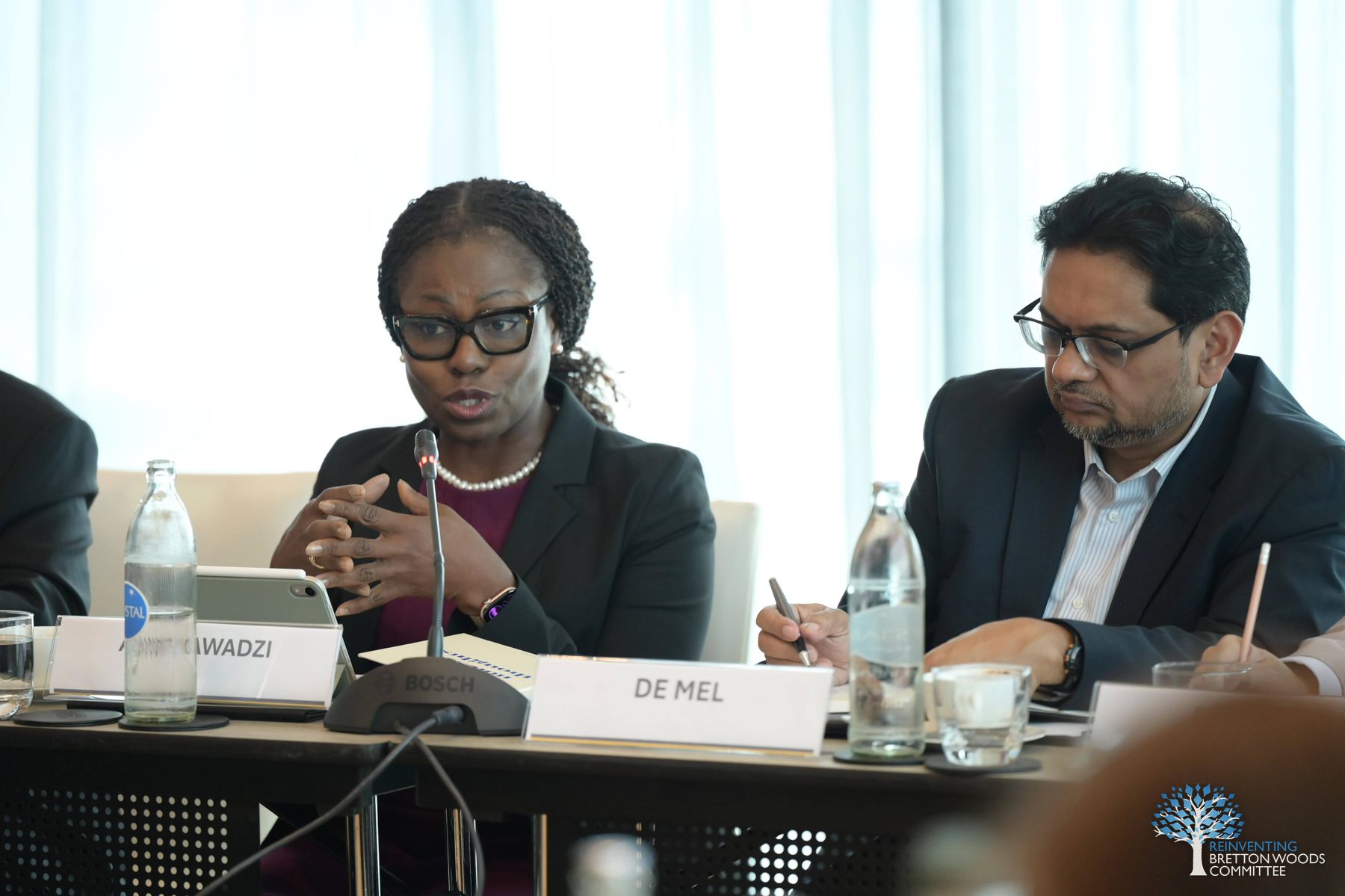
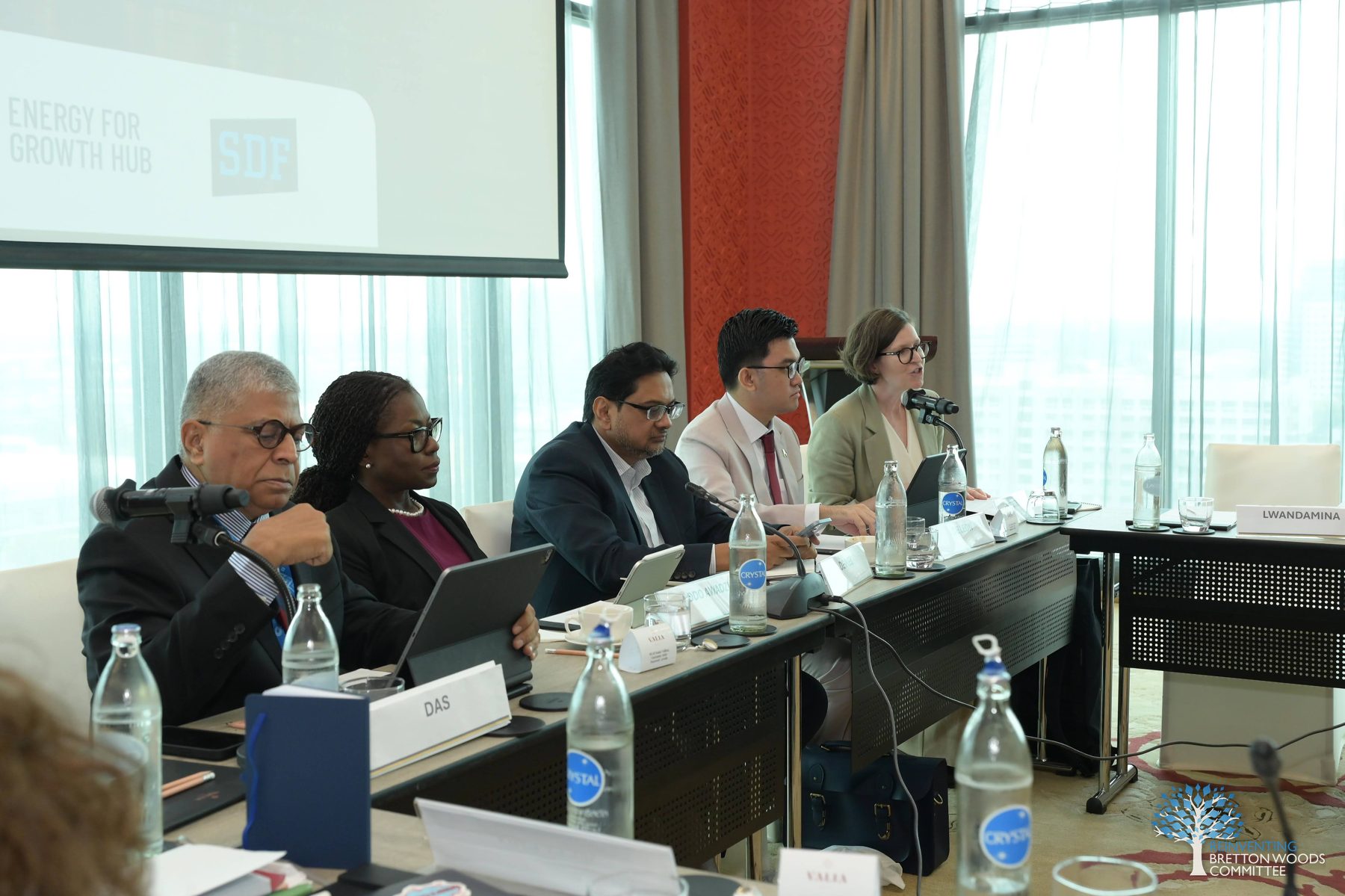
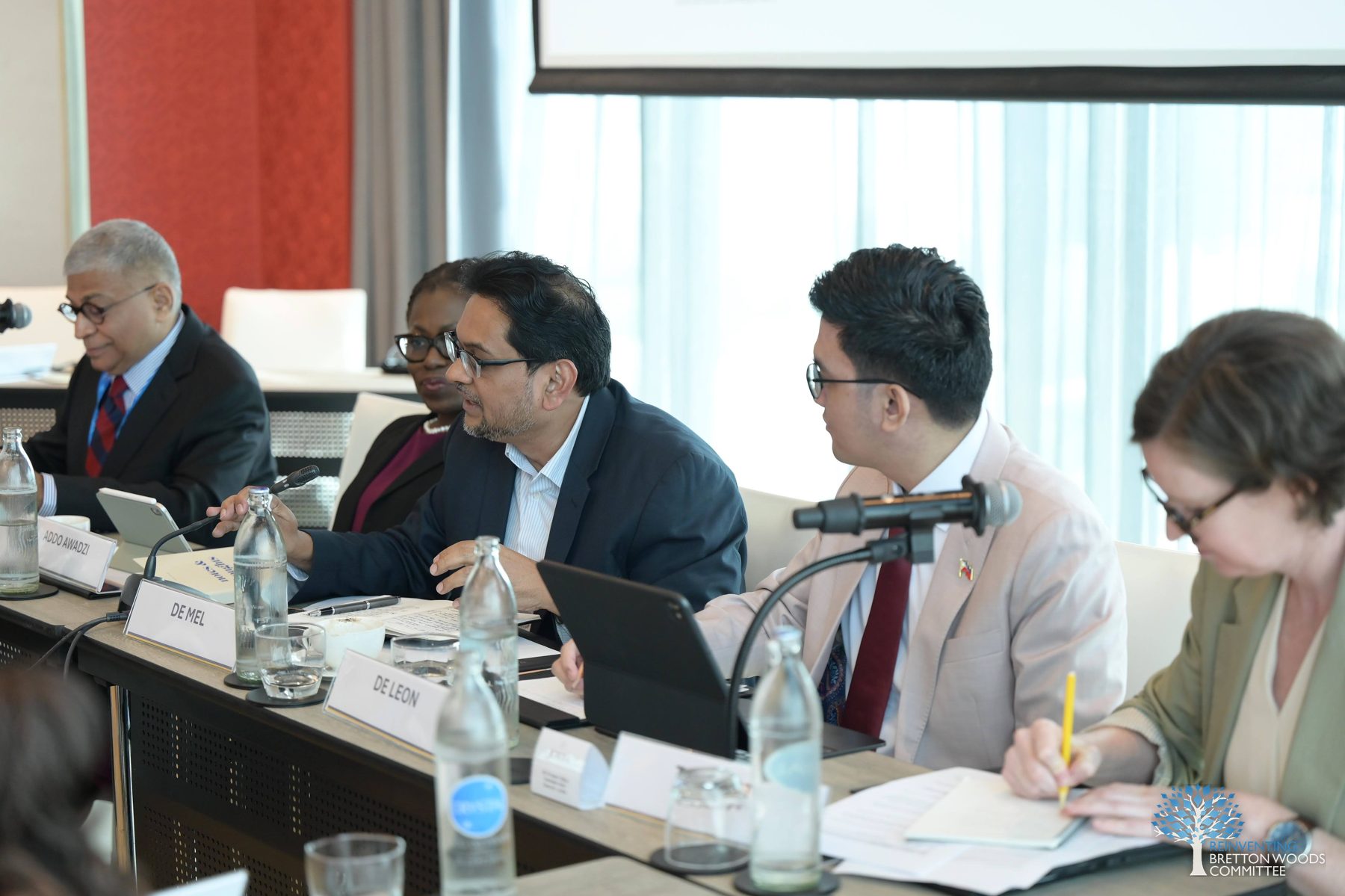
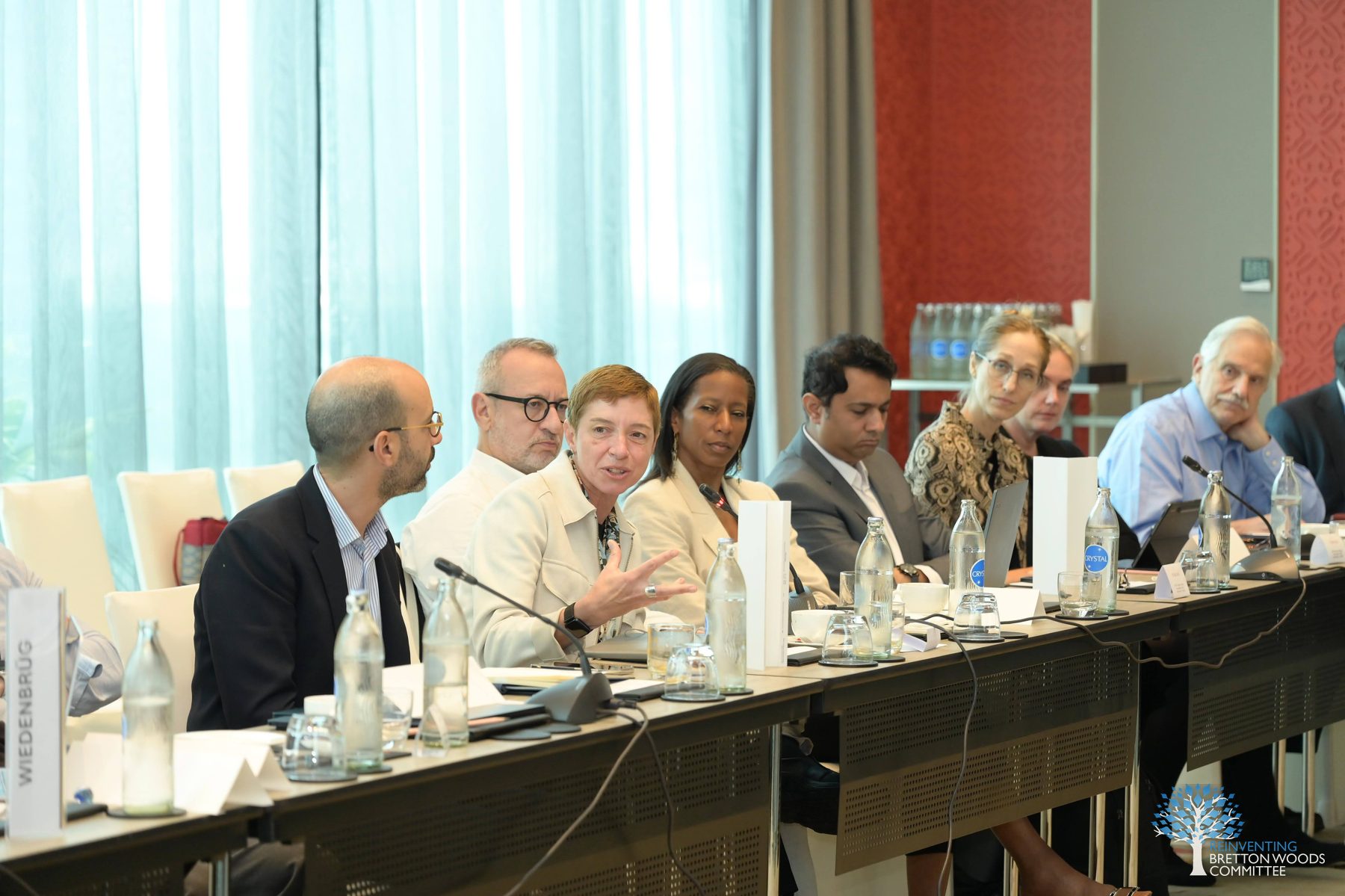
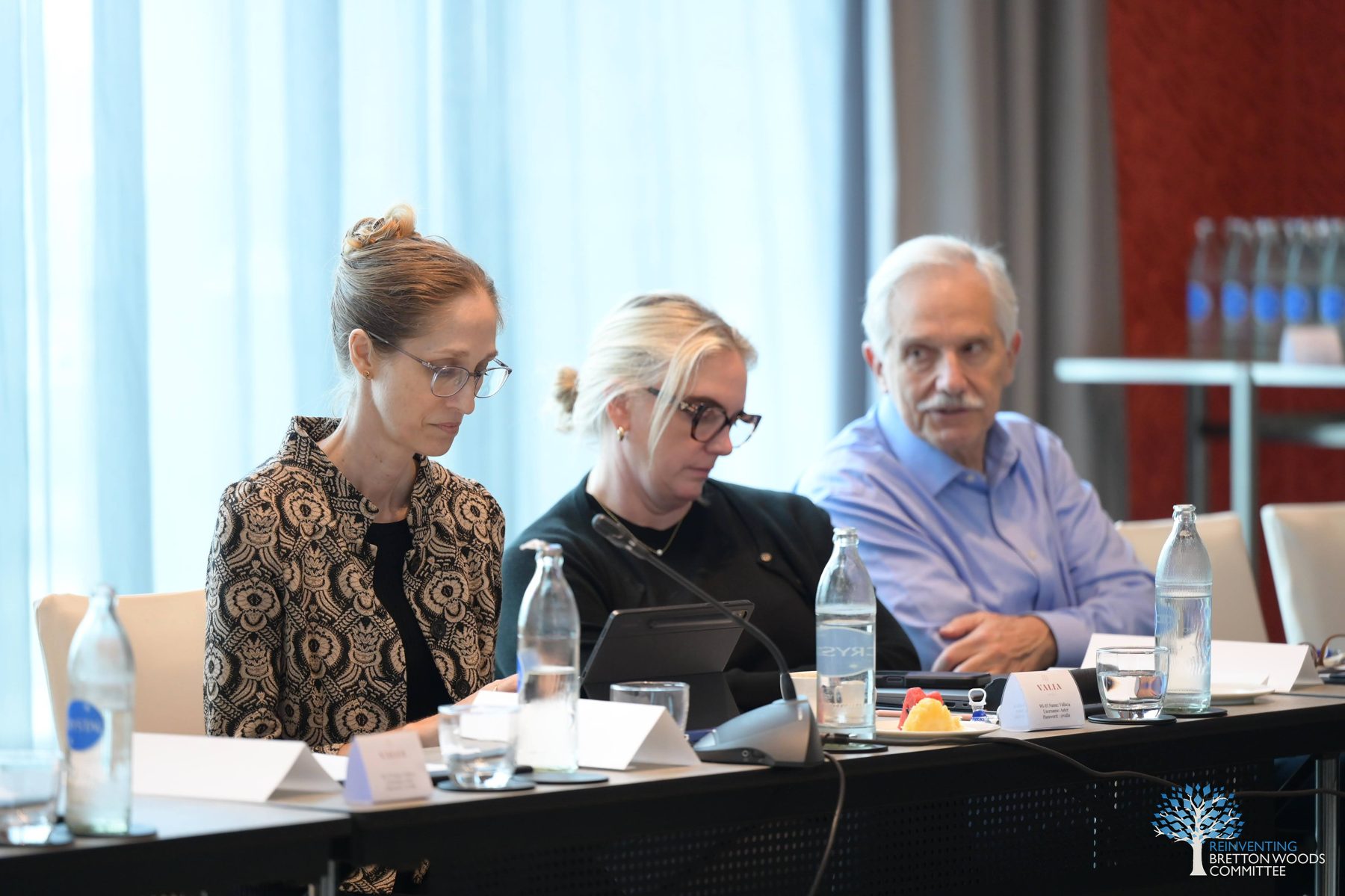
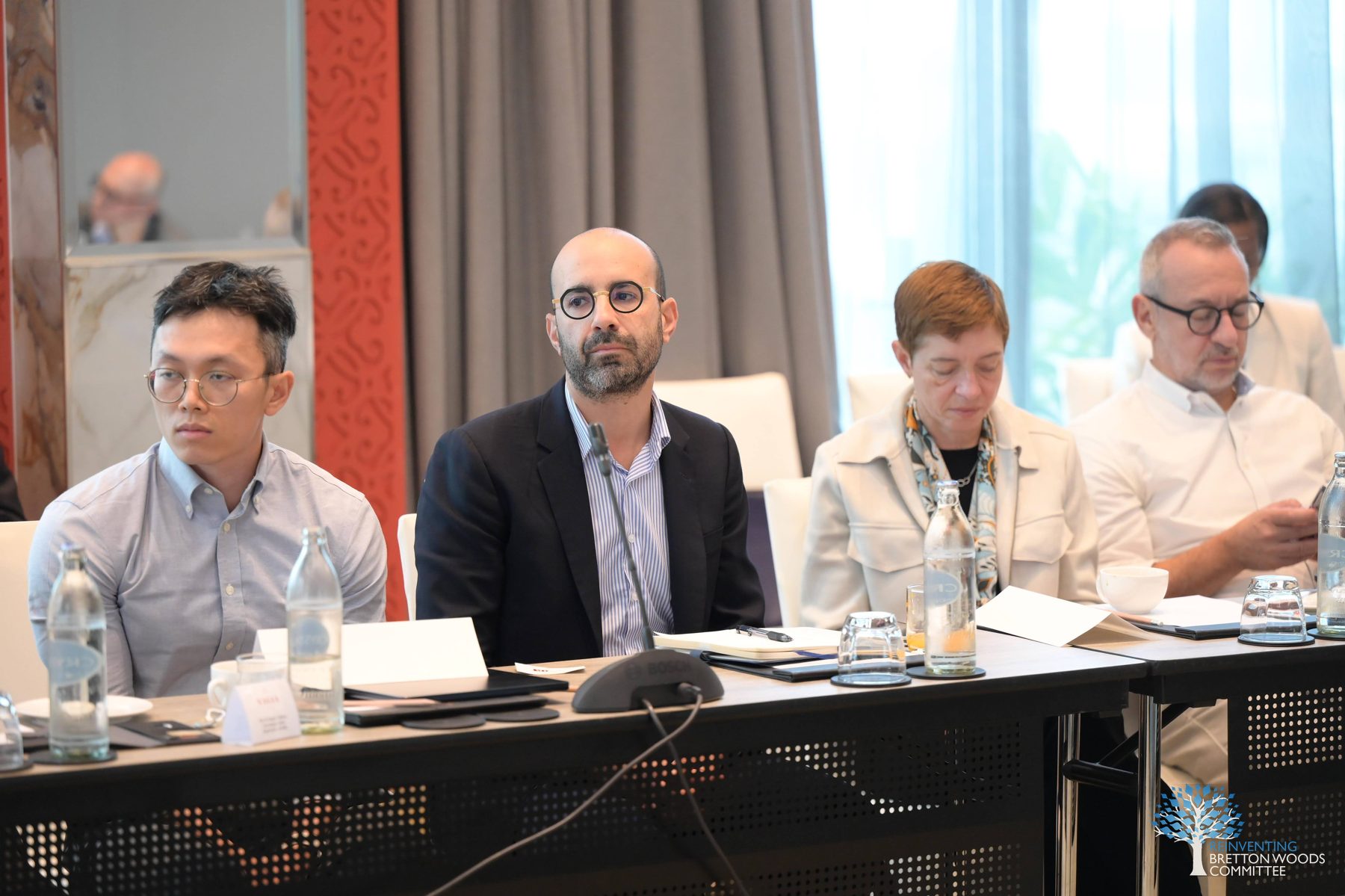
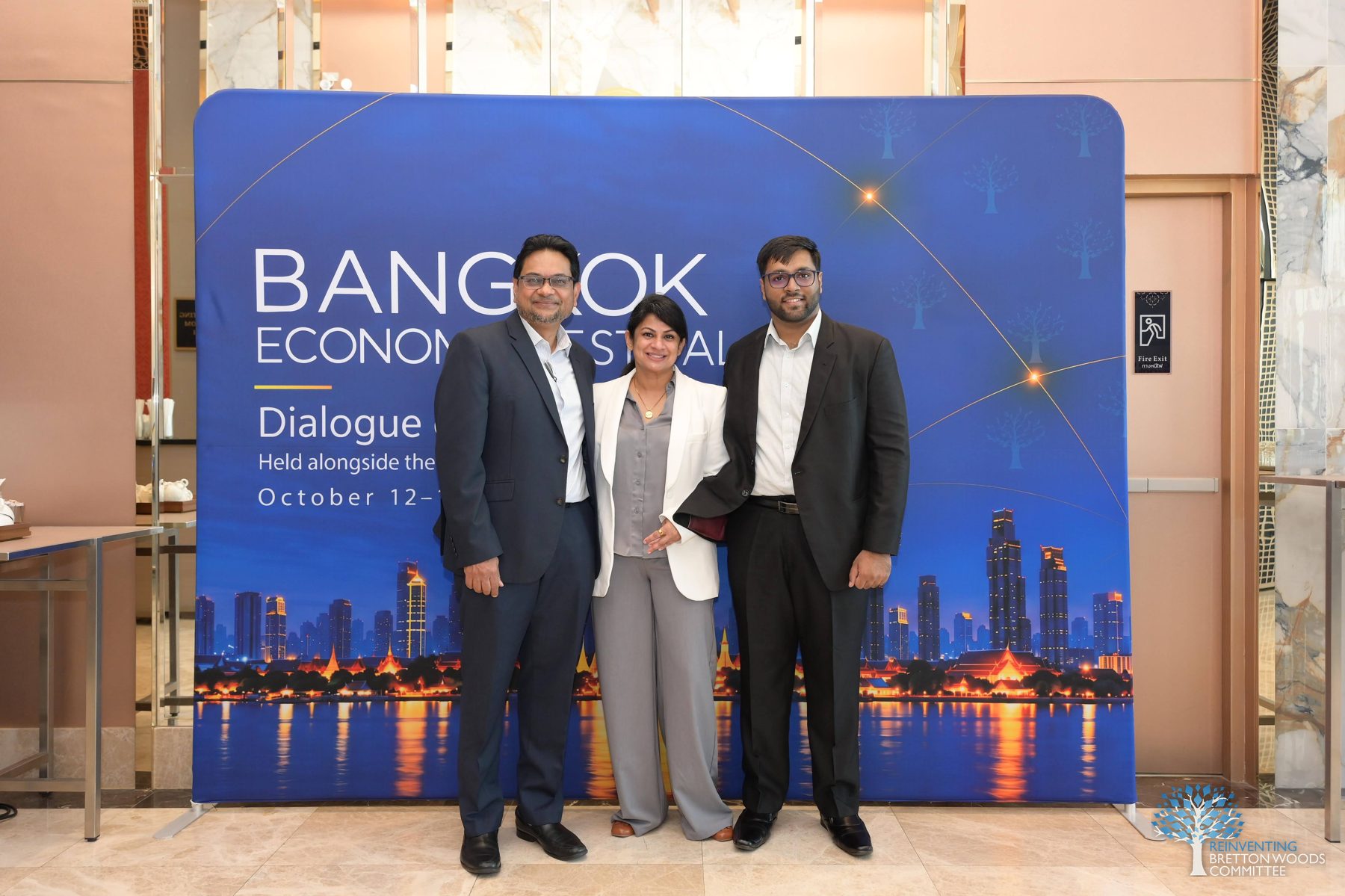
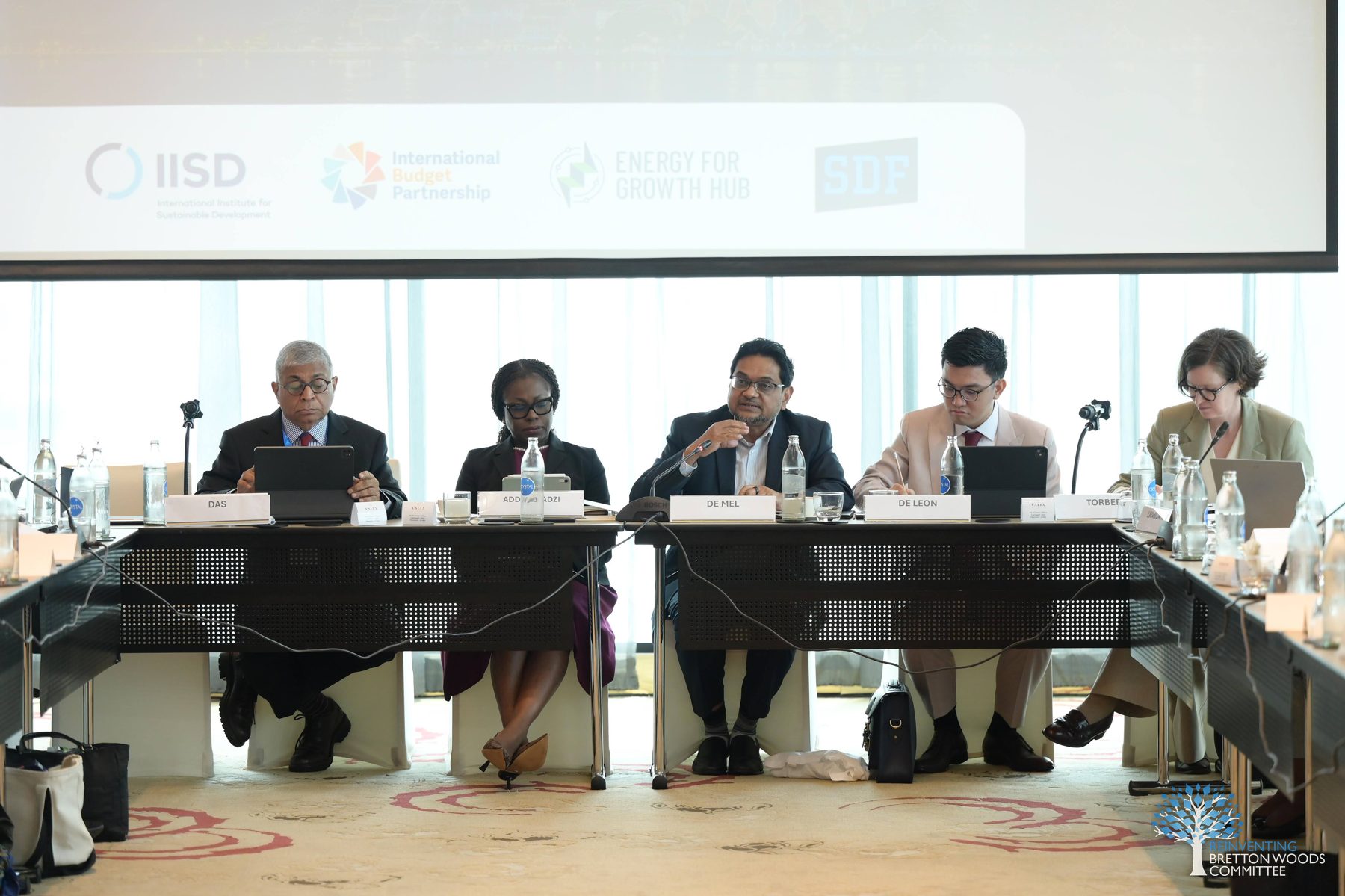
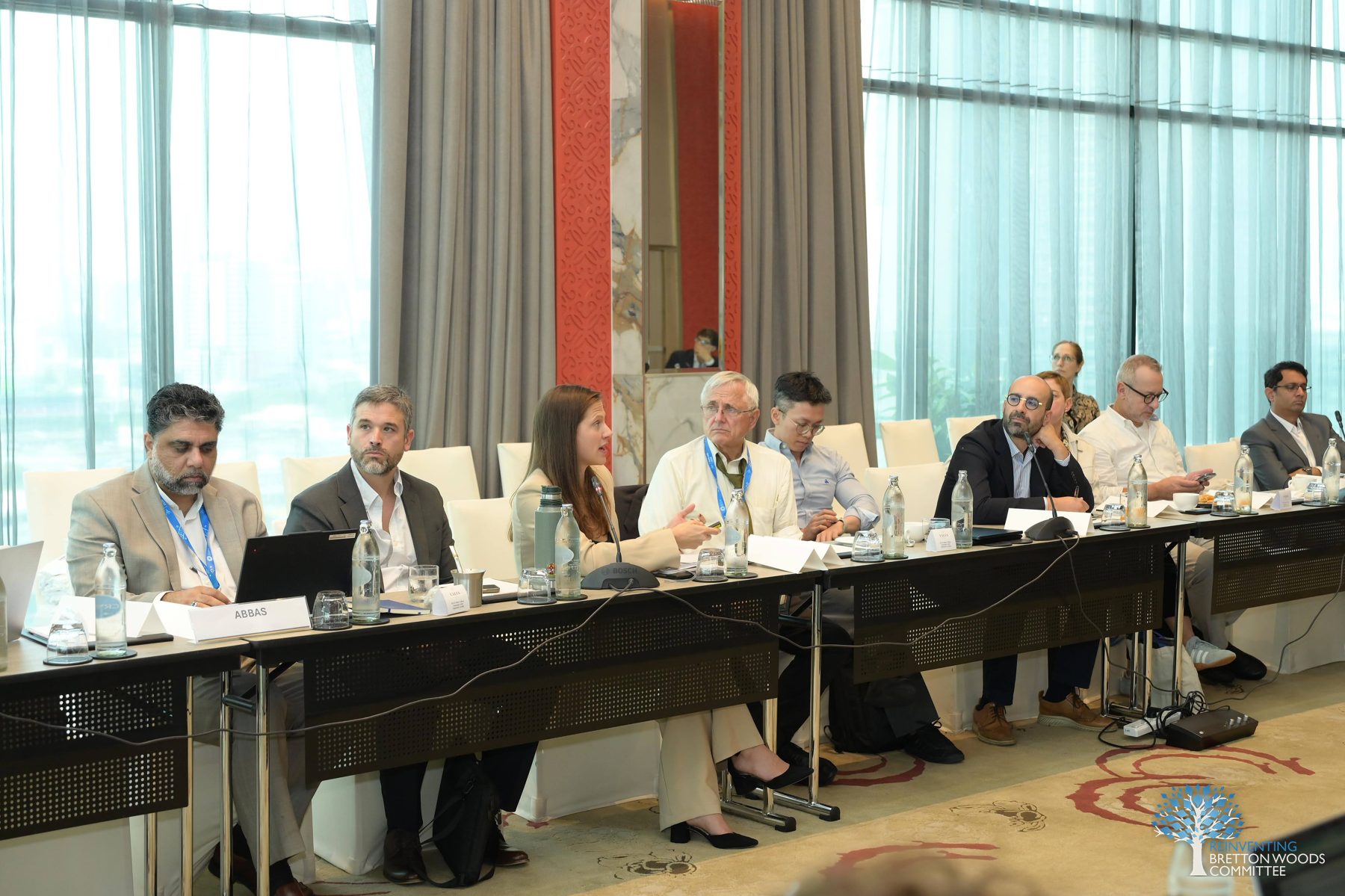
Photograph from Debt Governance 2.0Photograph from Debt Governance 2.0Photograph from Debt Governance 2.0Photograph from Debt Governance 2.0Photograph from Debt Governance 2.0Photograph from Debt Governance 2.0Photograph from Debt Governance 2.0Photograph from Debt Governance 2.0Photograph from Debt Governance 2.0Photograph from Debt Governance 2.0Photograph from Debt Governance 2.0Photograph from Debt Governance 2.0Photograph from Debt Governance 2.0Photograph from Debt Governance 2.0Photograph from Debt Governance 2.0Photograph from Debt Governance 2.0Photograph from Debt Governance 2.0

Day’s Video

Next sessionAI and Quantum Computing: “Two Clocks, One Mandate” — A Leadership Roundtable on Scaling AI and Preparing for the Quantum Transition