Reinventing Bretton Woods CommitteeBangkok Economic Festival
Back to the week

AI and Quantum Computing:

“Two Clocks, One Mandate” — A Leadership Roundtable on Scaling AI and Preparing for the Quantum Transition


Date
Tuesday 13 October
Time
10:00 to 11:15
Venue
Valia Hotel, Bangkok

Session partners

Centre for International Governance Innovation

Overview

Central banks and financial authorities face two technology transformations moving on very different clocks. Artificial intelligence is already changing how institutions analyse data, organise work, supervise firms and defend critical systems. Quantum computing remains experimental, yet the migration required to protect cryptographic trust must begin well before a sufficiently capable machine exists.

The common challenge is not predicting the technology perfectly, but deciding how a public institution should act before certainty while preserving judgement, accountability, independence and public trust. For AI, the immediate task is to move from fragmented experimentation to measurable value at scale. For quantum computing, near-term computational value remains uncertain, but the security transition is already actionable.

The roundtable therefore advances a two-speed agenda: scale AI deliberately by prioritising high-value applications and embedding risk, ethics and human accountability from the outset; and prepare for quantum early by identifying cryptographic exposure, building crypto-agility, protecting long-lived information and coordinating migration across the financial ecosystem.

Across both technologies, the discussion will examine how central banks can avoid both hype and paralysis: acting early where delay compounds risk while resisting premature technology bets that are not linked to mandate value.
Guiding Questions

  • Where can AI materially improve policy outcomes, resilience or institutional effectiveness, and how should that value be measured?
  • How should supervisory and financial-stability frameworks evolve as AI becomes more autonomous, concentrated and systemically embedded?
  • What no-regret quantum-readiness actions should central banks initiate now, and what should remain exploratory?
  • Which capabilities must be owned internally, which can be shared, and where can external dependence be accepted without weakening institutional agency?
  • How can central banks build scarce technology capability while retaining vendor neutrality, accountability and strategic optionality?

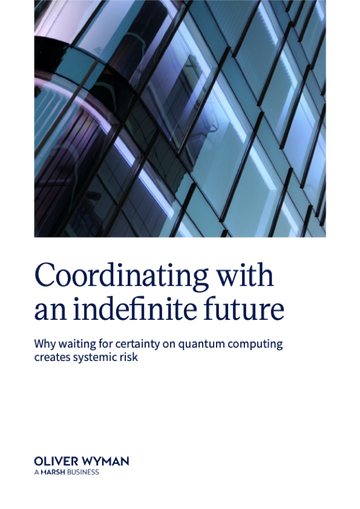
Reports

Session Programme

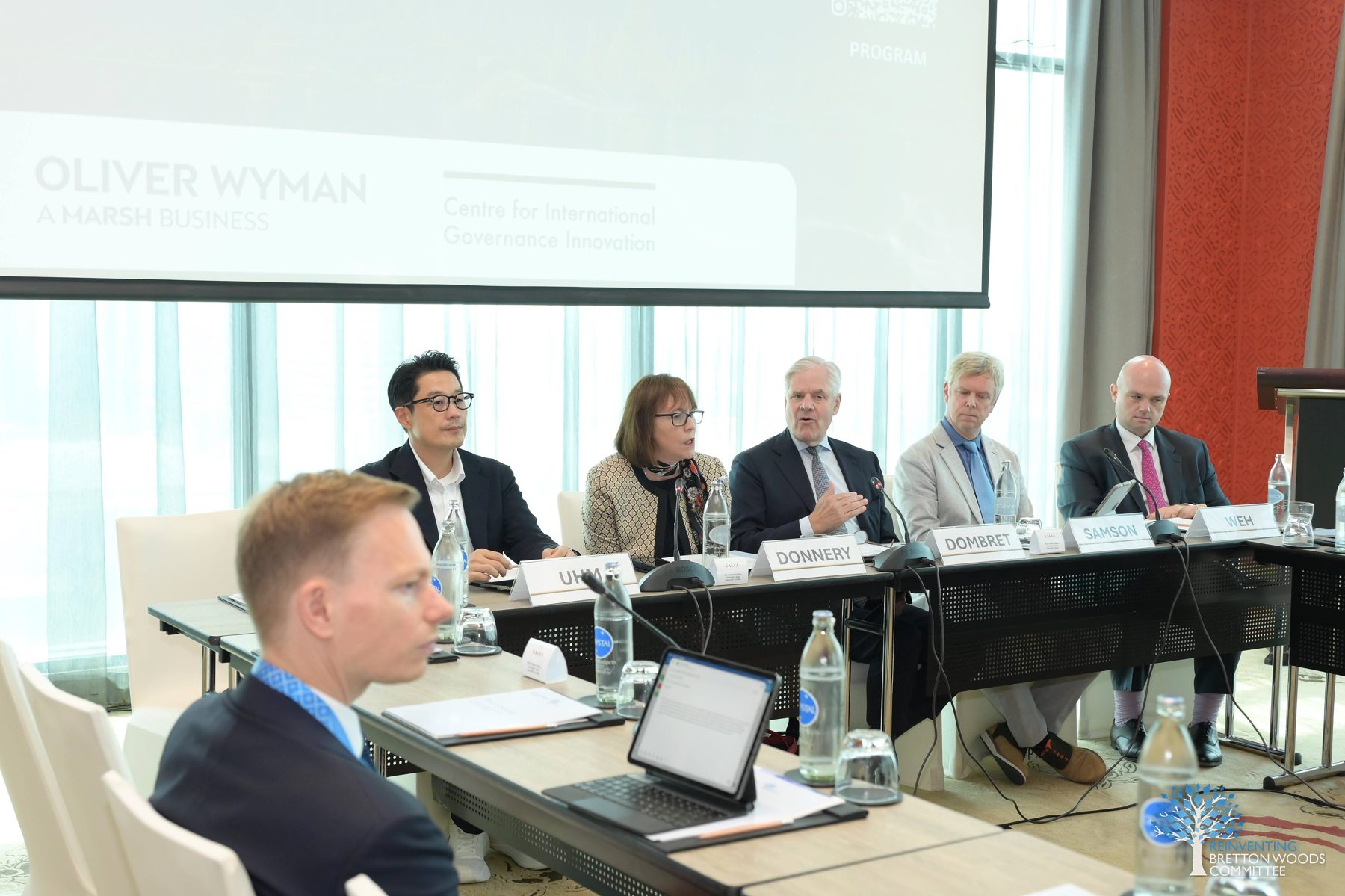
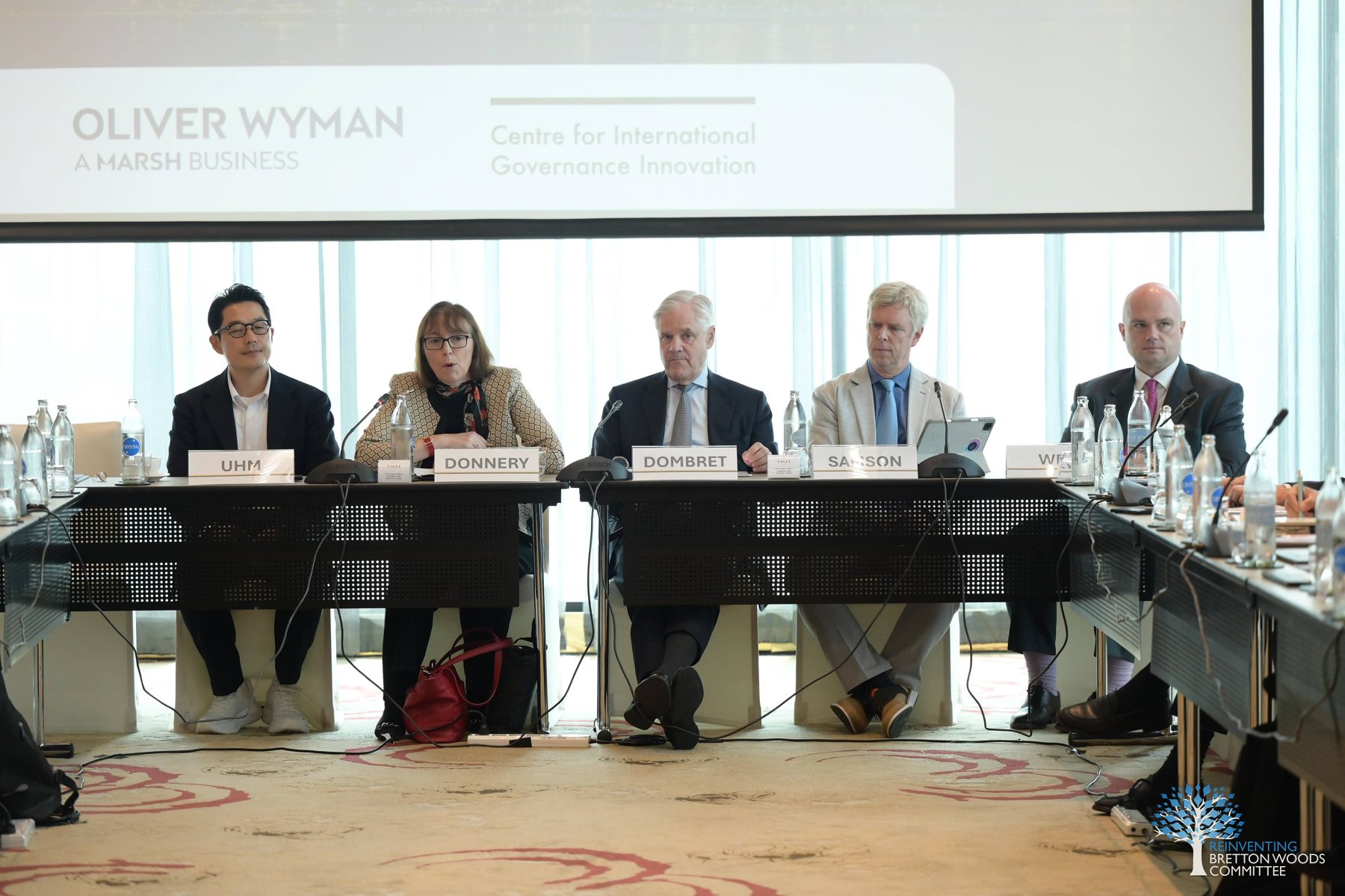
  1. Chair

    Andreas Dombret Global Senior Advisor, Oliver Wyman

    Dominik Weh Partner, Oliver Wyman

    Paul Samson President CIGI

    Sangyun Uhm General Manager, ID Quantique Ltd

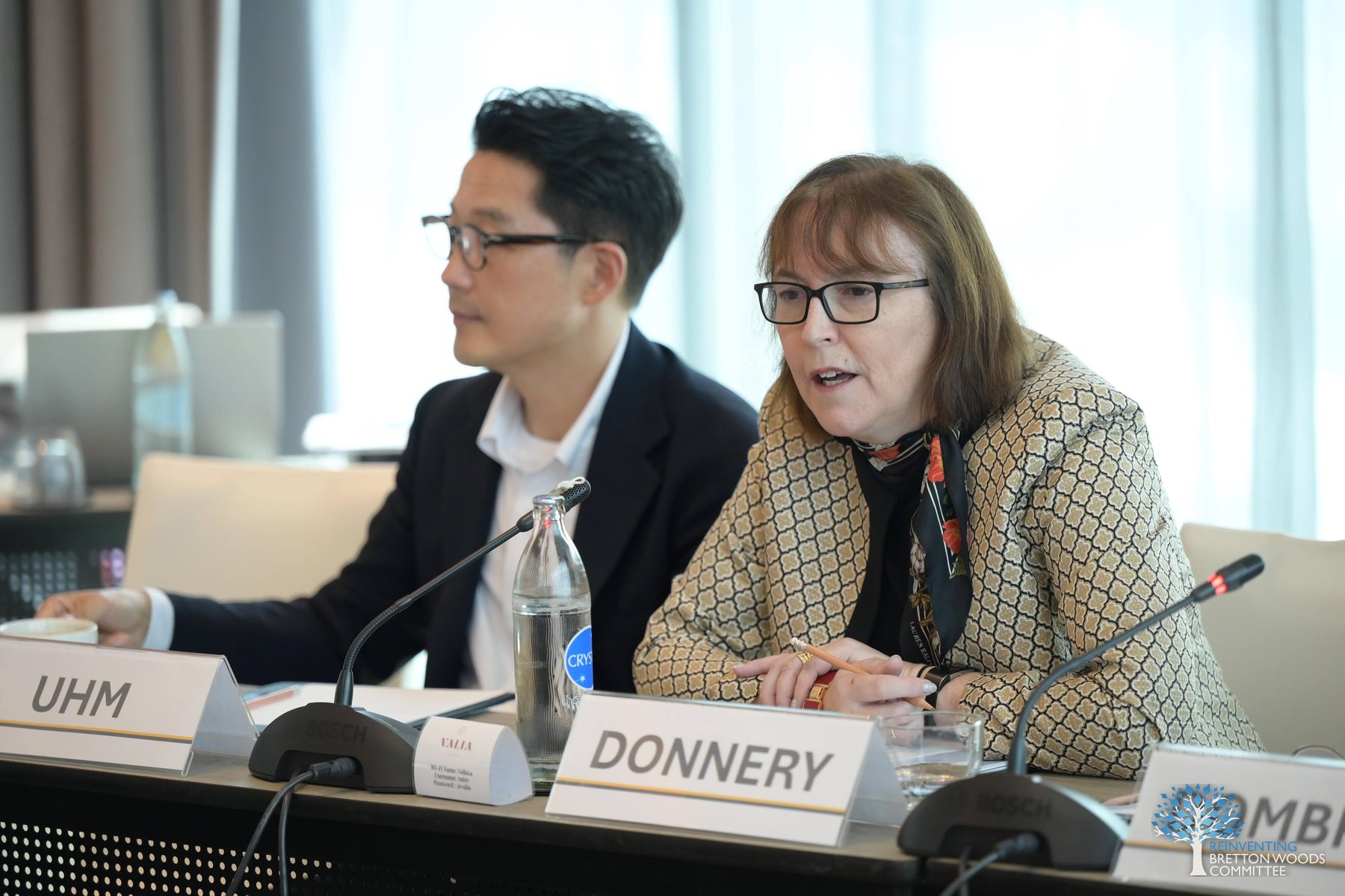
    Sharon Donnery Member of the ECB Supervisory Board

On the Programme

Andreas DombretGlobal Senior Advisor, Oliver Wyman
Dominik WehPartner, Oliver Wyman
Paul SamsonPresident CIGI
Sangyun UhmGeneral Manager, ID Quantique Ltd
Sharon DonneryMember of the ECB Supervisory Board
In the Room

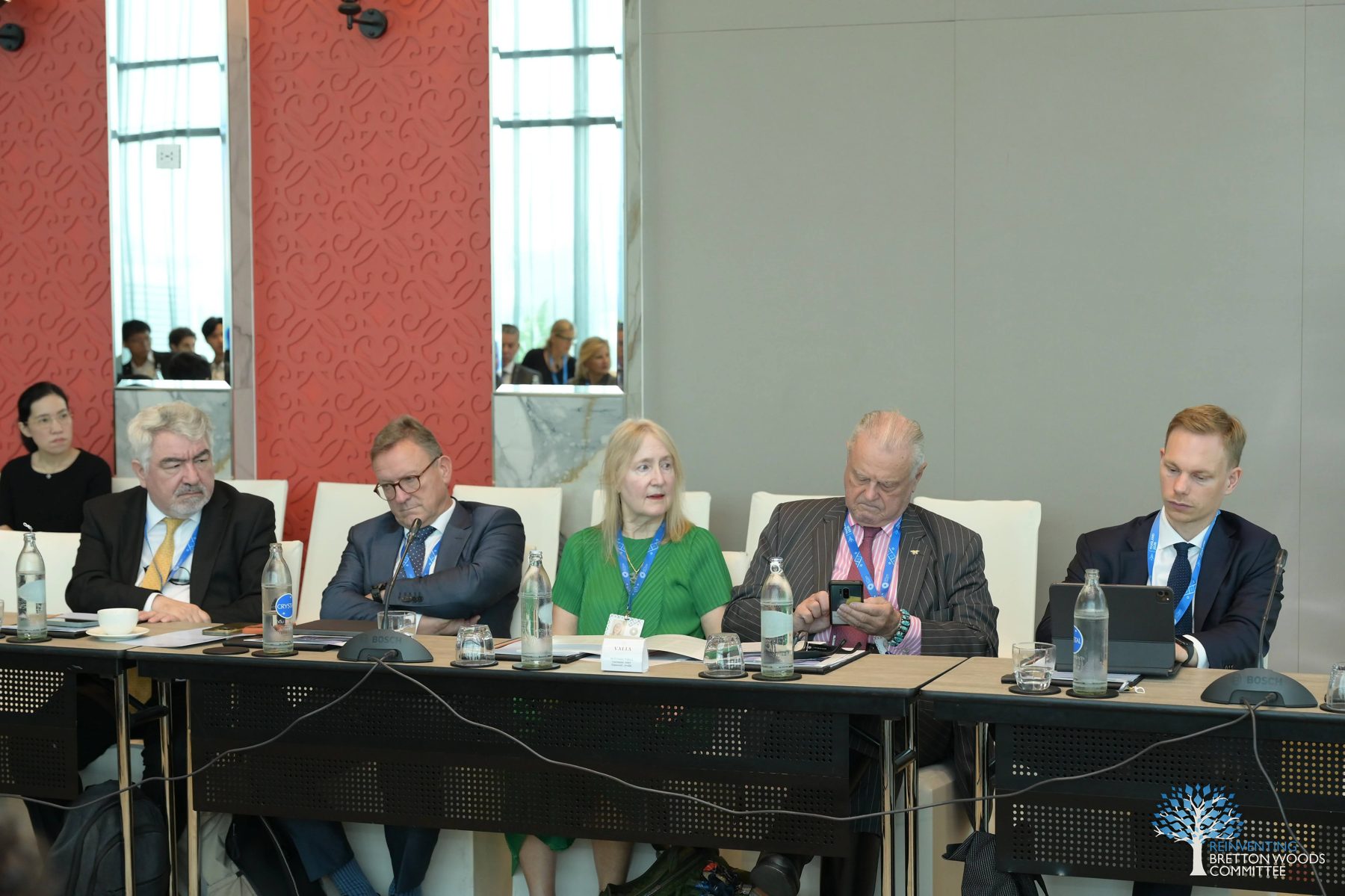
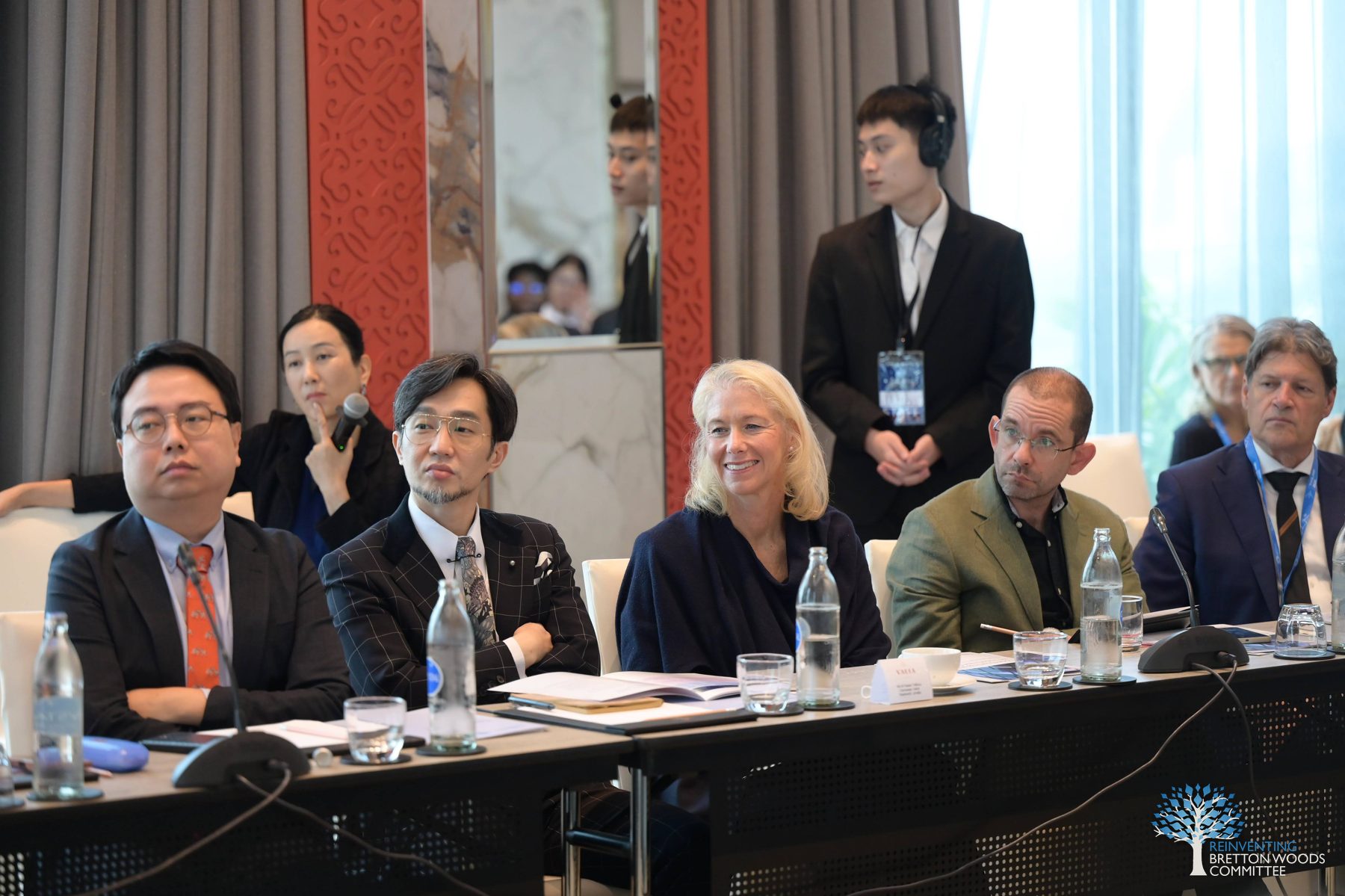
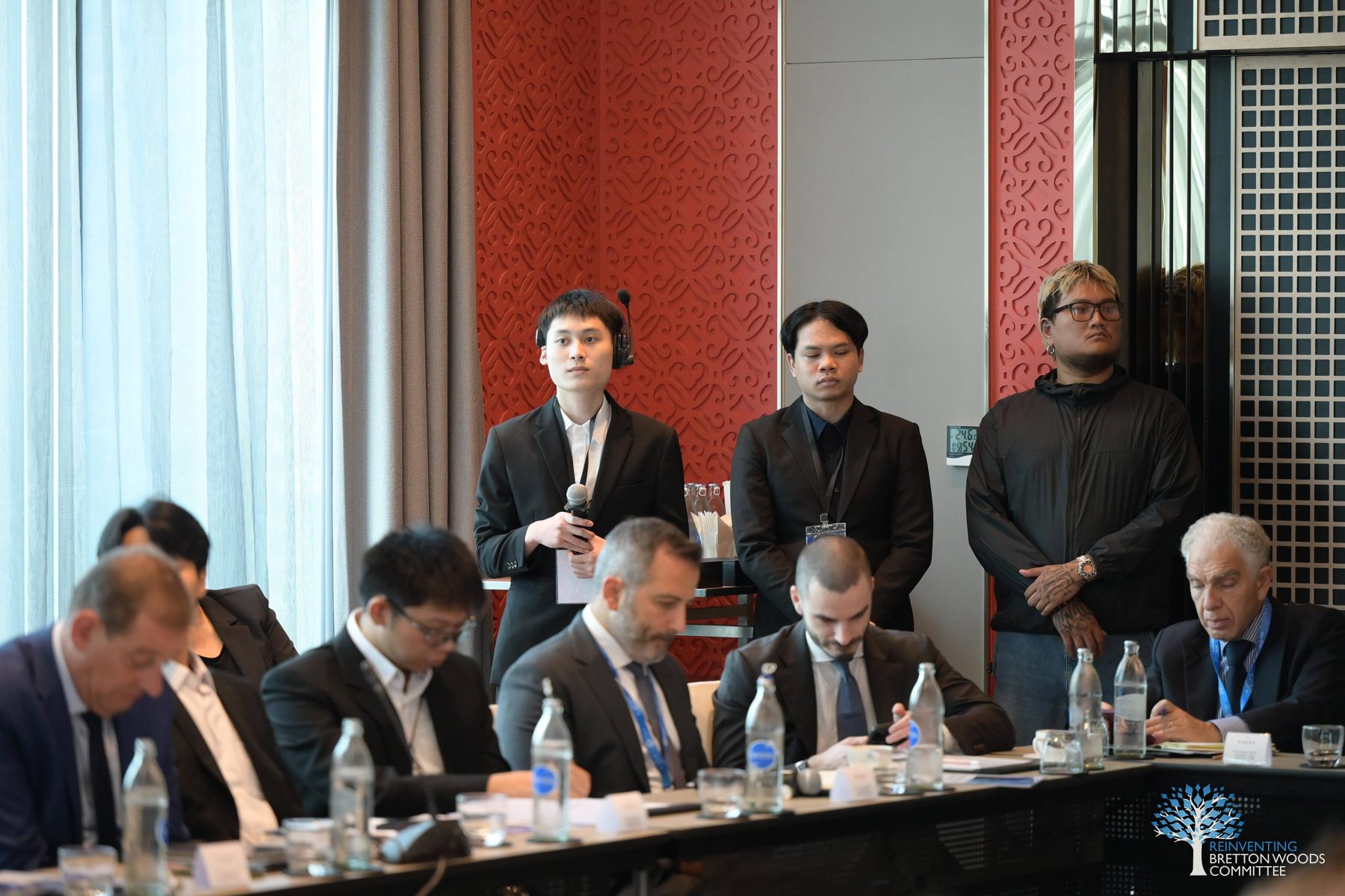
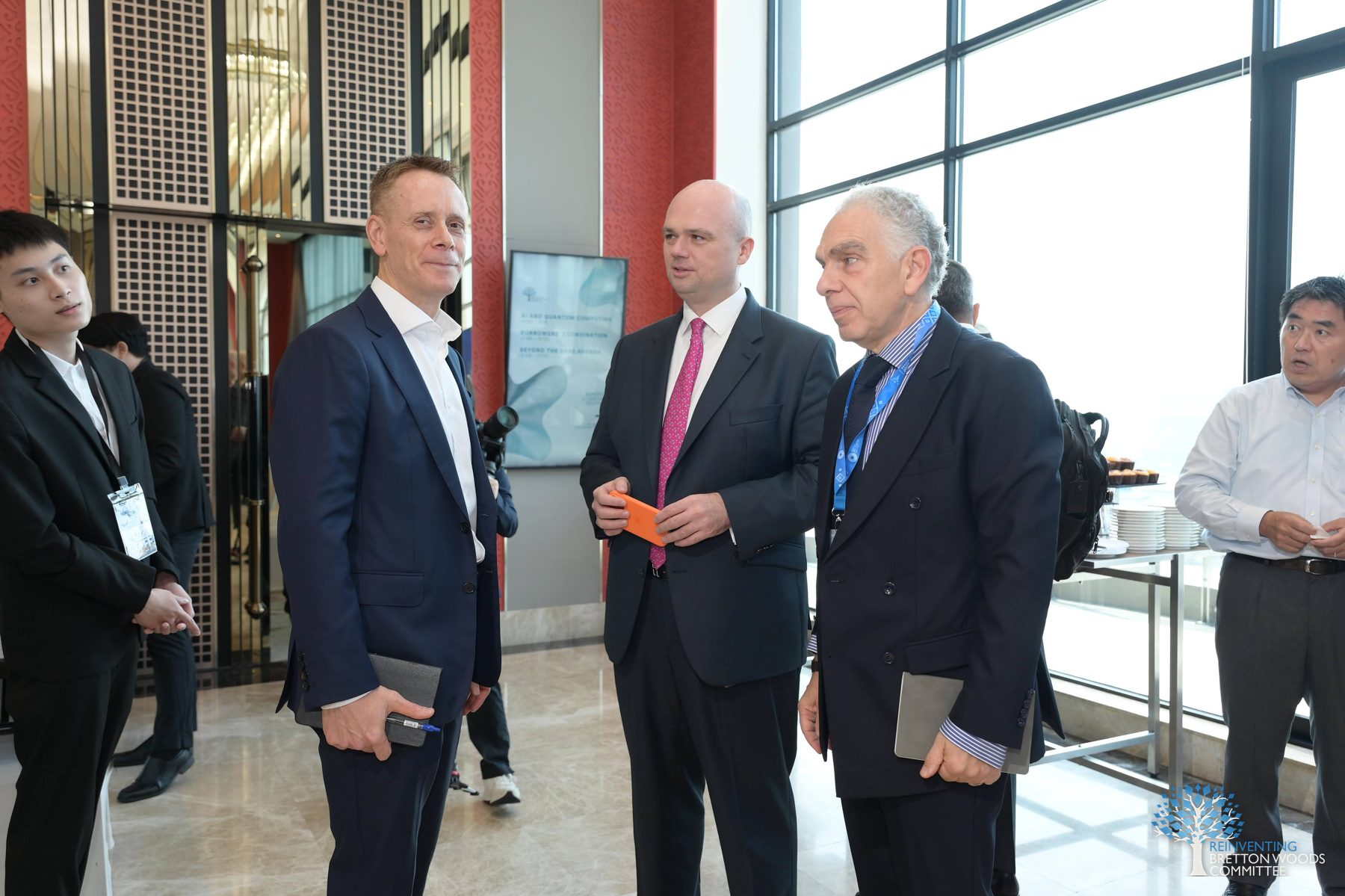
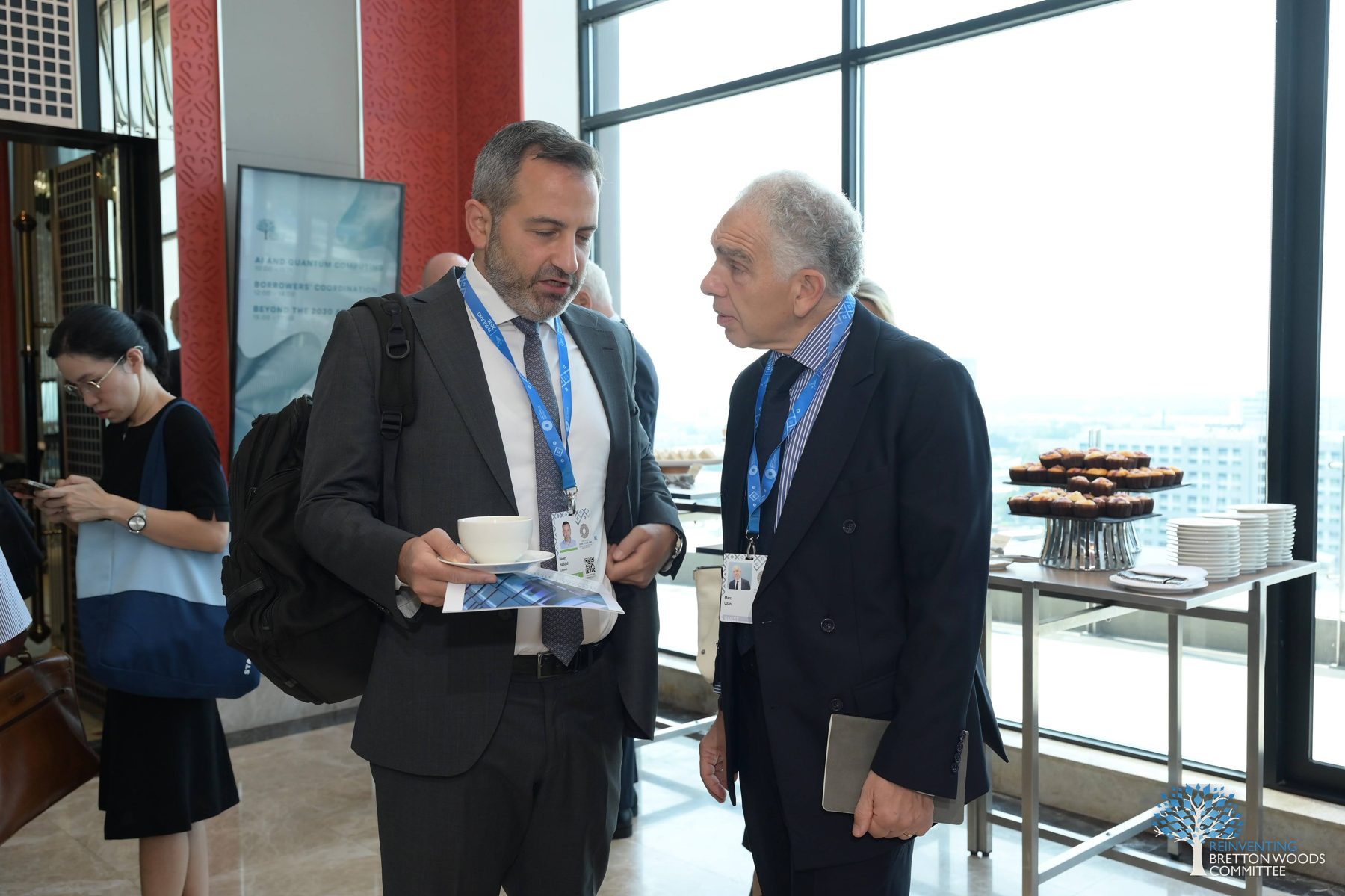
Photograph from AI and Quantum ComputingPhotograph from AI and Quantum ComputingPhotograph from AI and Quantum ComputingPhotograph from AI and Quantum ComputingPhotograph from AI and Quantum ComputingPhotograph from AI and Quantum ComputingPhotograph from AI and Quantum ComputingPhotograph from AI and Quantum ComputingPhotograph from AI and Quantum ComputingPhotograph from AI and Quantum ComputingPhotograph from AI and Quantum ComputingPhotograph from AI and Quantum ComputingPhotograph from AI and Quantum ComputingPhotograph from AI and Quantum Computing

Day’s Video

Previous sessionDebt Governance 2.0: From Perimeters to Adaptive Risk GovernanceNext sessionAn Idea Whose Time Has Come: The Borrowers’ Platform