China’s Evolving Role
The 2026 Annual Meetings arrive at a moment when the central question facing the multilateral system is one of burden-sharing. Traditional donors are retrenching: aid budgets across the G7 are falling in real terms, the United States has stepped back from institutions including the WHO, and major replenishments are landing below expectations. Financial pressures have intensified even as governance reform has stalled, with successive shareholder reviews — including the 2025 IBRD review — concluding without realignment.
Against this backdrop, the role of China is under-examined. China's position is one of tension: it continues to describe itself as a developing country and a member of the Global South, yet stands on the cusp of graduation to high-income status; and it remains both a borrower from, and recipient within, the multilateral institutions it increasingly helps to fund. China has sharply increased its concessional contributions to the World Bank's IDA — rising from 28th- to 5th-largest donor in a decade — yet its formal voice and shareholding in the World Bank remain largely static, and its voluntary contributions to other multilateral bodies have plateaued over the last five years. In parallel, China continues to advance alternative platforms of its own, including the AIIB, the NDB and the newly agreed SCO Development Bank. The tension is perhaps sharpest on climate, where China's multilateral contributions effectively count toward collective international climate targets under the post-COP29 framework, even as it resists binding commitments and treats its contributions as voluntary. With the US retreating from the climate agenda, China's weight as funder, shareholder and agenda-setter is increasingly decisive.
This session will present new CGD research mapping China's engagement across the multilateral development banks, the vertical funds and the UN system — the first comprehensive update to the landmark 2021 CGD study led by Scott Morris in five years — and will use it as a shared factual baseline for a panel discussion bringing together Chinese and non-Chinese perspectives. The aim is to explore what China's shifting willingness and ability to contribute mean for burden-sharing and governance reform, including for replenishments, the reform of voice and shareholding, and the future financing of a system under fiscal strain. Convening this conversation in Bangkok offers a rare opportunity for genuine dialogue with China onits multilateral role, rather than a Western conversation about it.
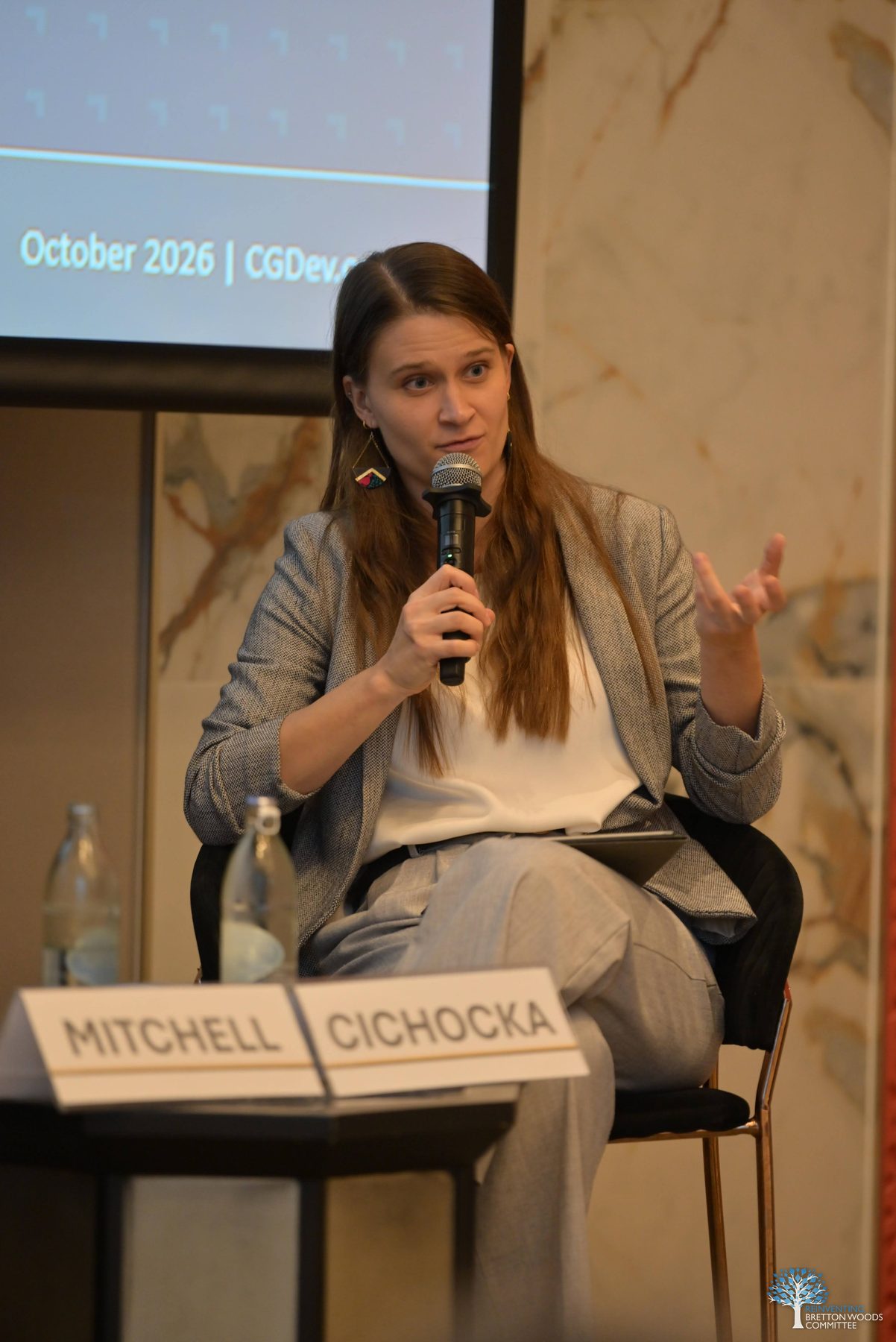
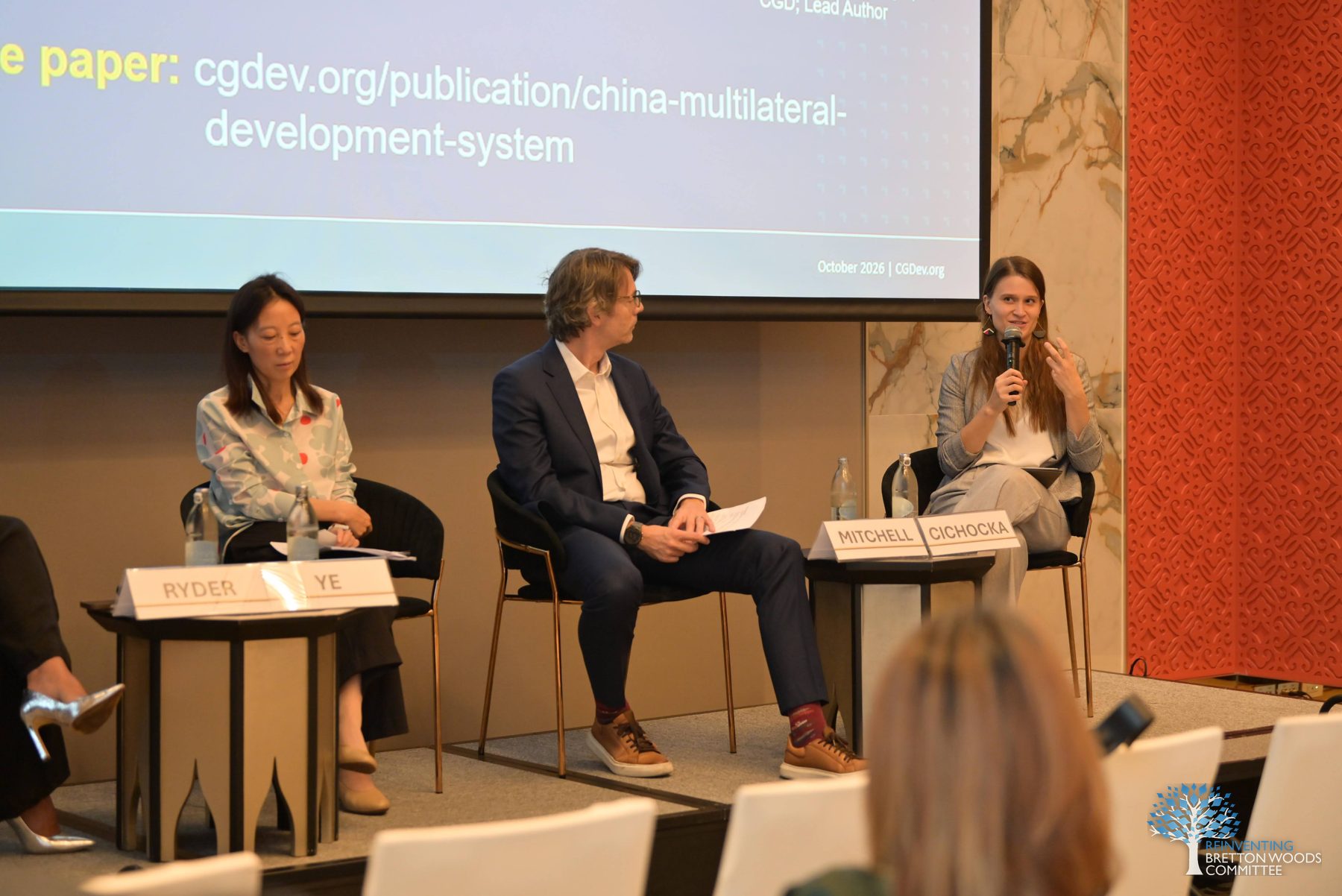
Brief presentation on research findings
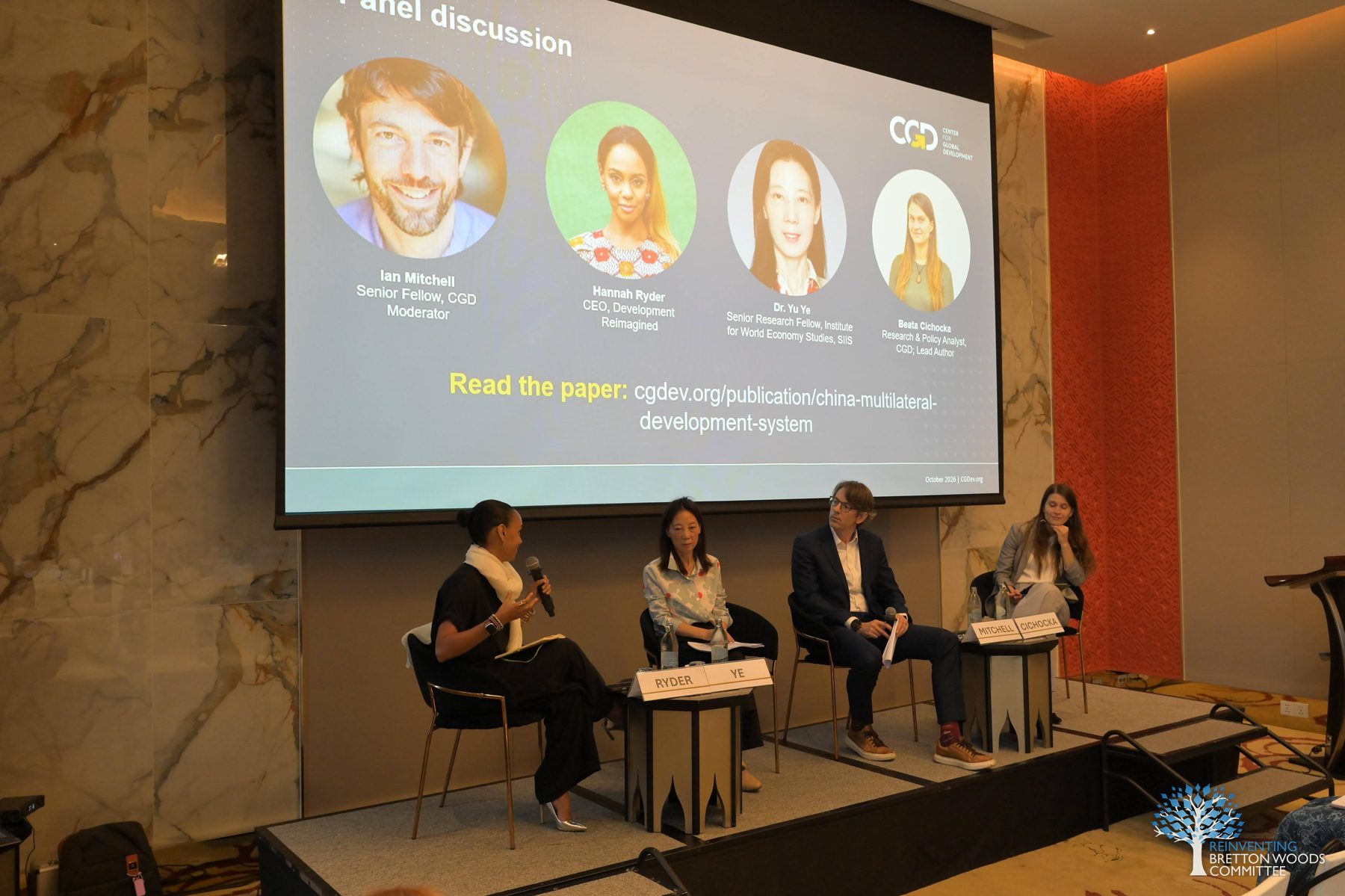
Beata Cichocka Lead Author, CGD China & Multilaterals Research
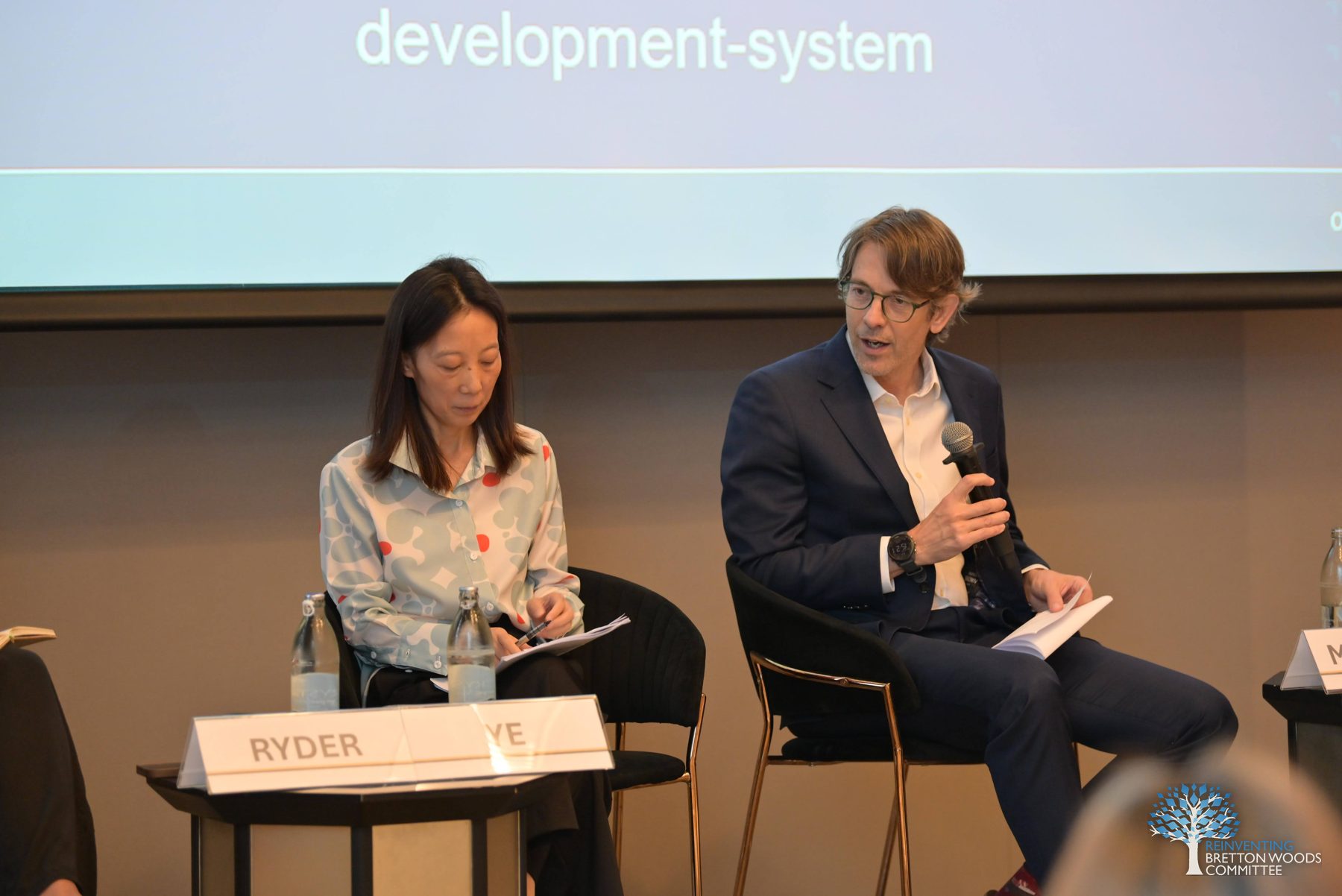
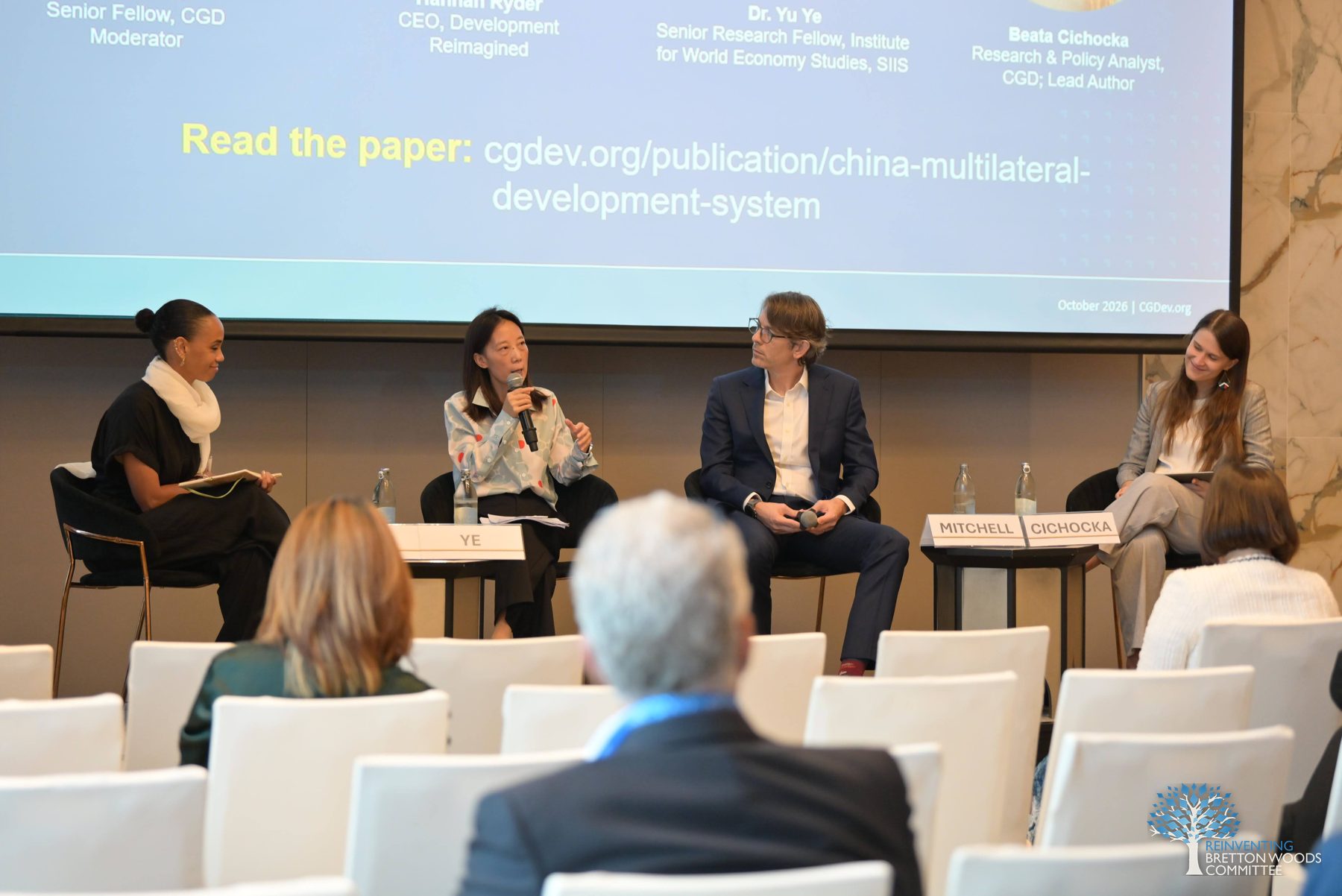
Panel Discussion:
Ian Mitchell Senior Fellow, Center for Global Development (Moderator)
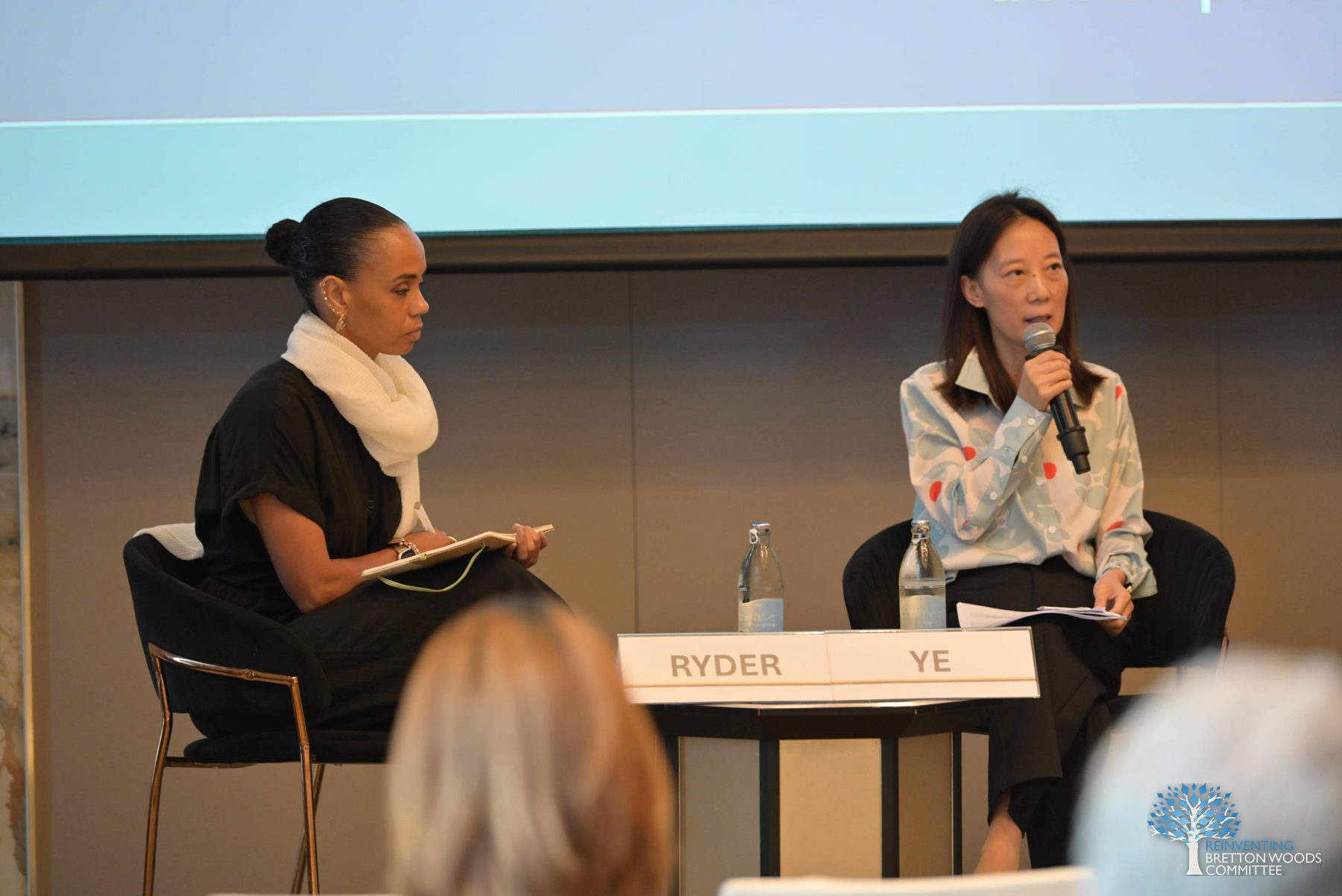
Yu Ye Senior Research Fellow, Institute for World Economy Studies, Shanghai Institutes of International Studies
Hannah Ryder Chief Executive Officer, Development Reimagined
Fears that China's involvement would create a parallel multilateral system, that's largely not really materialized. China's continued to contribute even at its lower pace, and it's portrayed itself as a reformer from within.
China's role in the multilateral system is not just about China. It is also about the multilateral system.
Suppose that there's breakthrough of the shareholding tonight. I don't think there will be much fundamental change of Chinese representation. So there's other informal voice, the governance reform. I think that's actually more important. Like the people, the leadership especially.
In terms of setting up its own institutions, there is value to doing so. But there is also a risk to fragmentation for setting up separate trust funds and vehicles.
The MDB could recognize more future contributions to incentivize the emerging donors like China to contribute more, because the current formula still protect the past contributions.
Mr. Deng Xiaoping received the leadership of the World Bank and very famously said that, we need more your knowledge rather than your money. So we value your advice more than your money.
Within the UN system, which was based on a 1992 agreement, China doesn't count as a country that should be providing climate finance, unlike countries which at that point had reached a certain income level.
One of the most interesting announcements from China came fairly recently at the WTO, where China said we'll no longer be trying to access preferential agreement. So even though it's not saying we're not a developing country, it's saying, well, we're in a different category.