Europe–Asia Dialogue on Policy Lessons and Strategies to Break Out of the Middle-Income Trap
Seventy-three percent of the world’s population lives in middle-income countries. Yet, since the 1990s, only 34 middle-income countries have successfully transitioned to high-income status, while 108 have remained at the middle-income level. Europe stands out, with 14 of the 34 economies that achieved high-income status being European economies. Asia and the Pacific have also experienced significant economic transformation, including successful transitions in economies such as the Republic of Korea and Singapore, while many middle-income economies continue to face challenges in sustaining productivity growth and structural transformation.
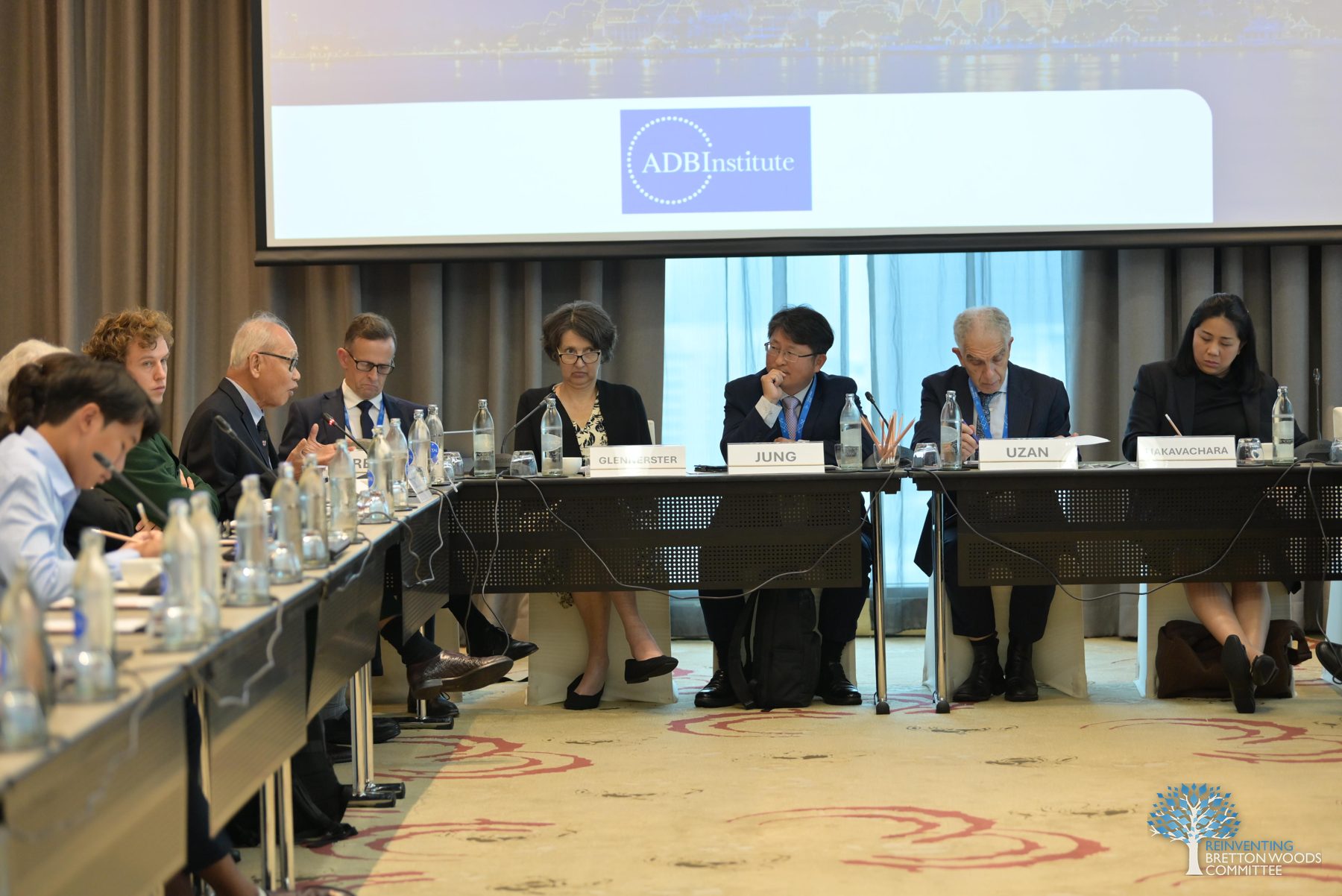
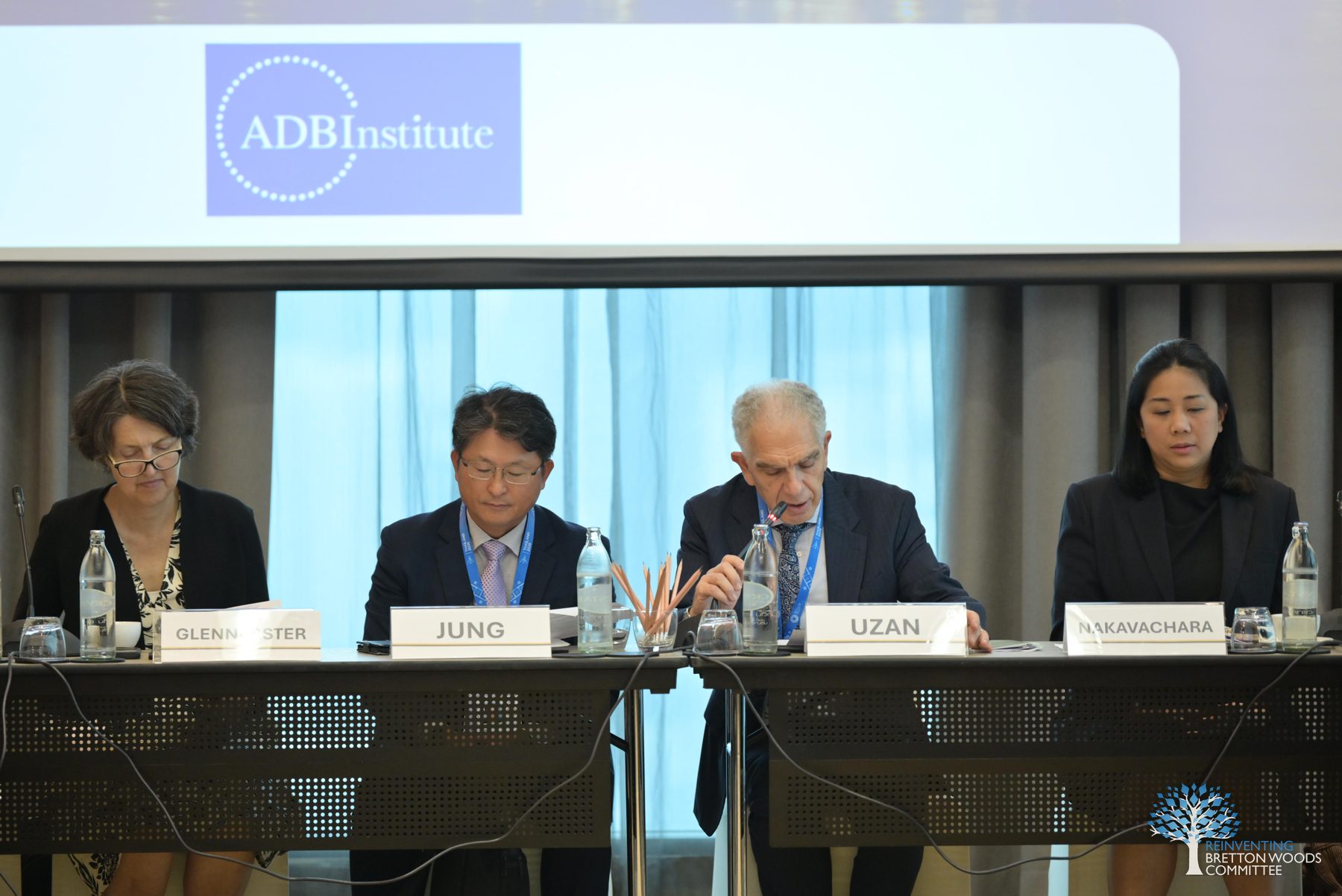
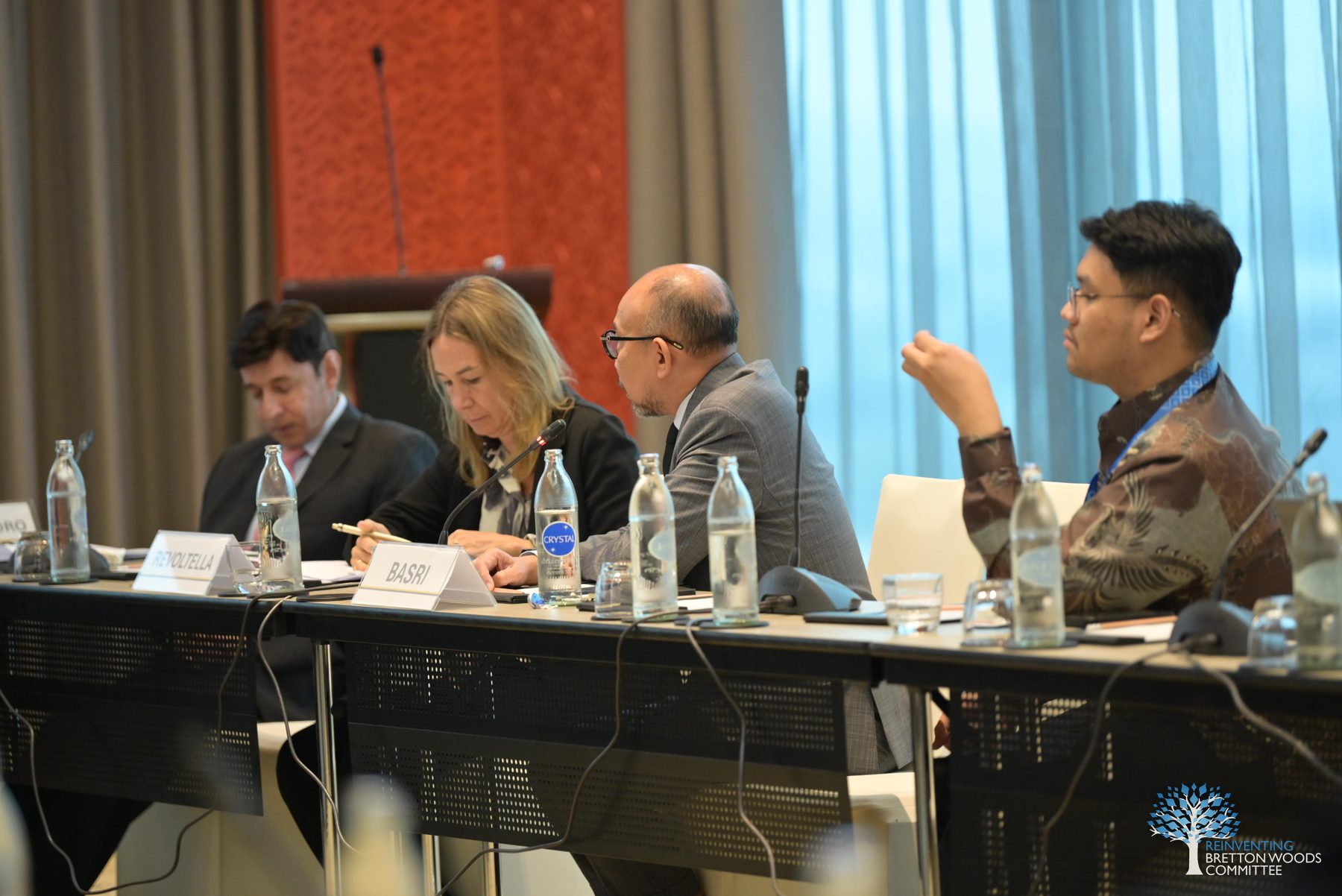
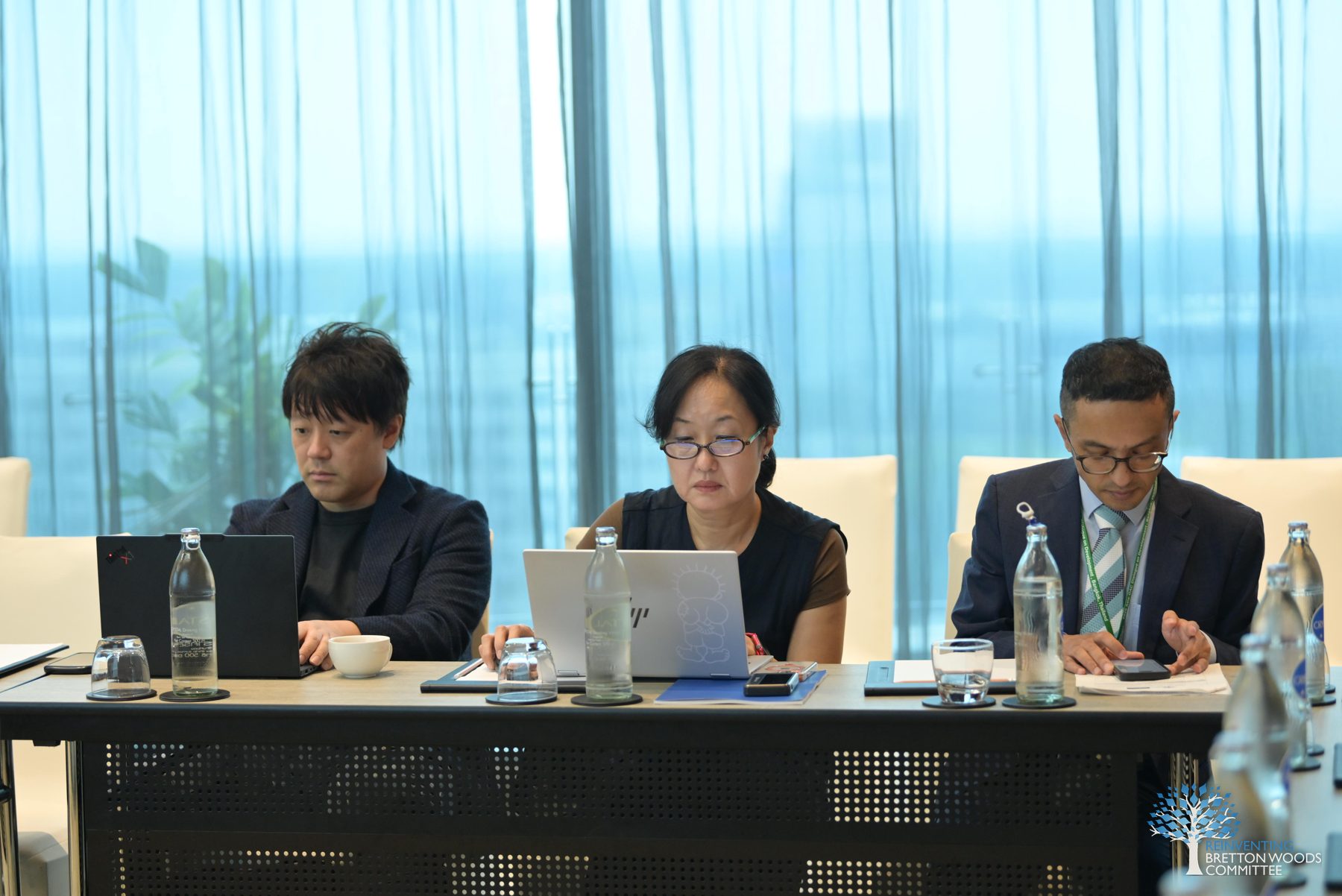
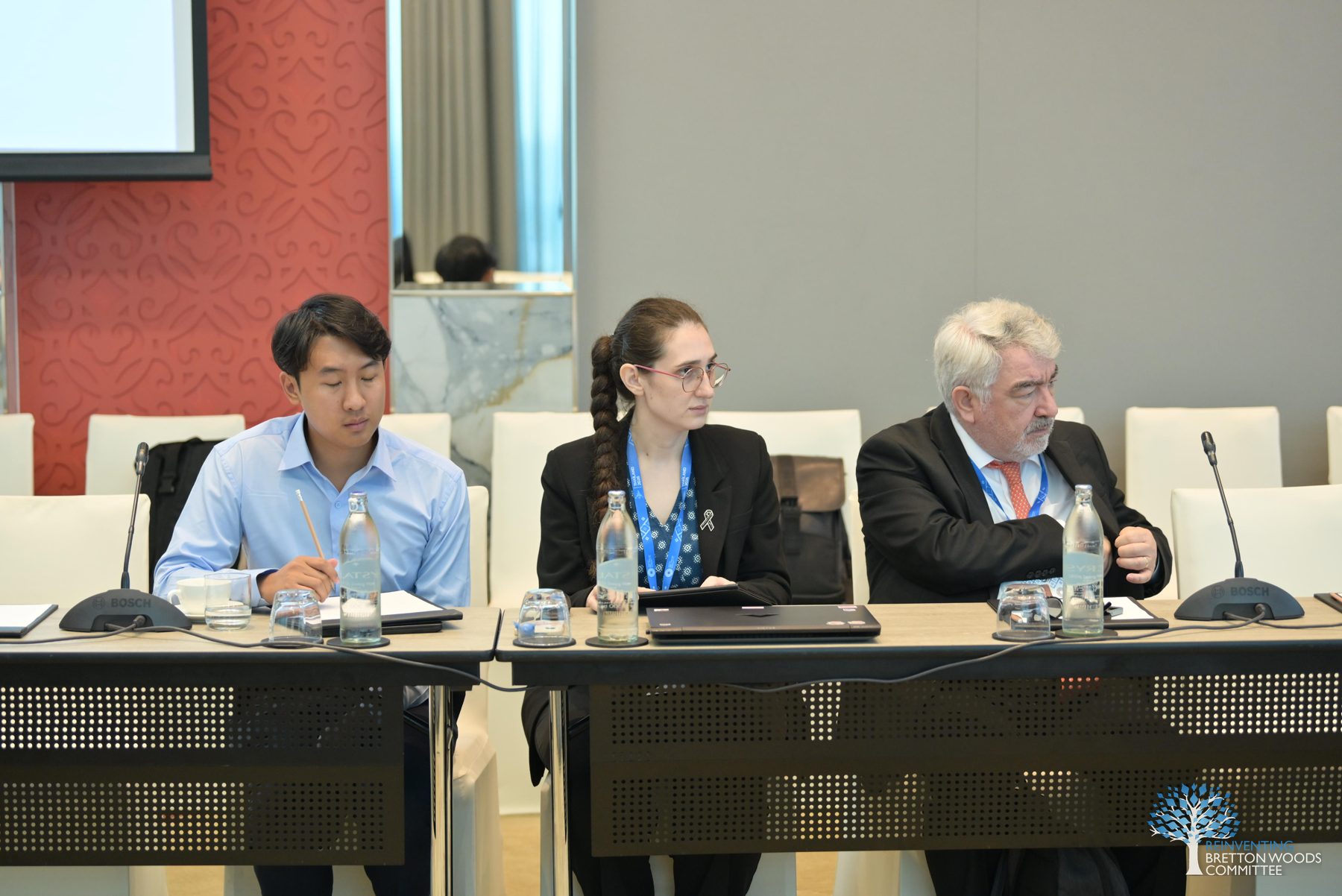
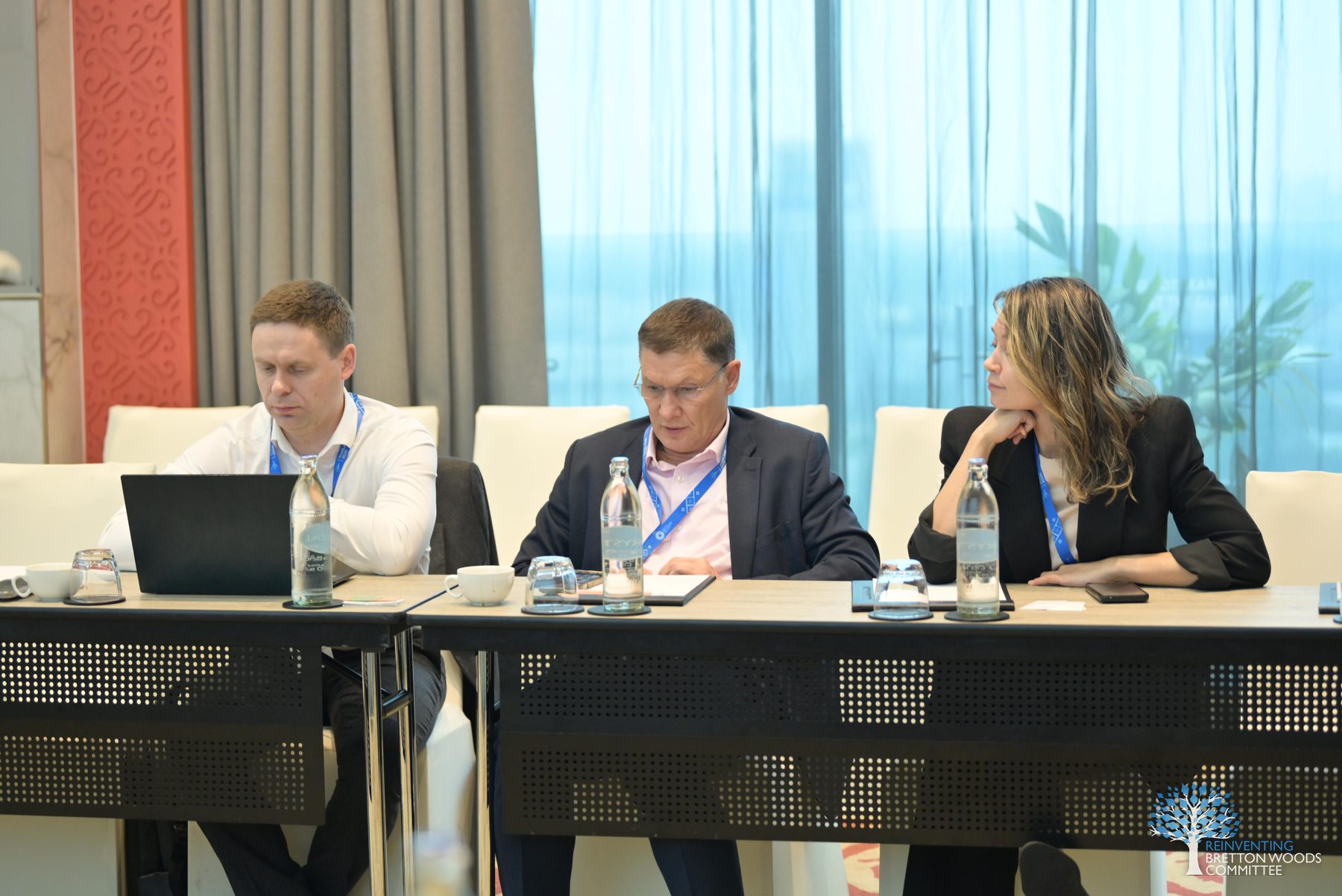
The Europe–Asia Dialogue, held during the 2026 IMF–World Bank Annual Meetings in Bangkok, will bring together policymakers, experts from think tanks and universities, and representatives of international and regional organizations. It will examine the diverse development trajectories of economies in Europe and Asia and the Pacific, with a focus on common policy lessons as well as strategies that need to be adapted to different historical, institutional, and economic circumstances.
The discussion will focus on productivity growth, demographic change, innovation and inequality, as well as innovation and R&D, industrial diversification and upgrading in global value chains, human capital and higher education, and regional cooperation. It will consider how economies can sustain growth as they move toward higher levels of income and productivity, and how experiences from Europe and Asia and the Pacific can provide insights for other economies.
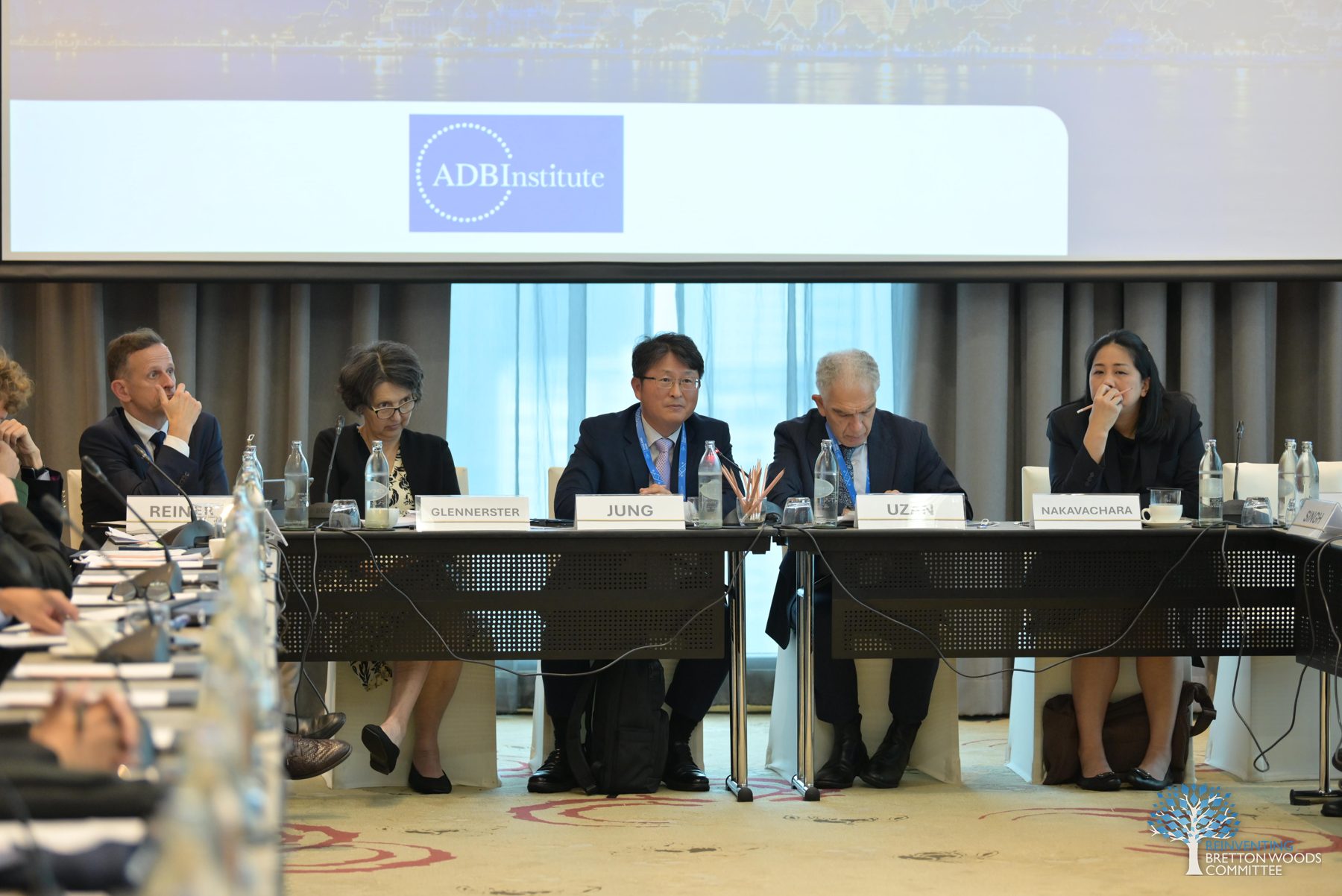
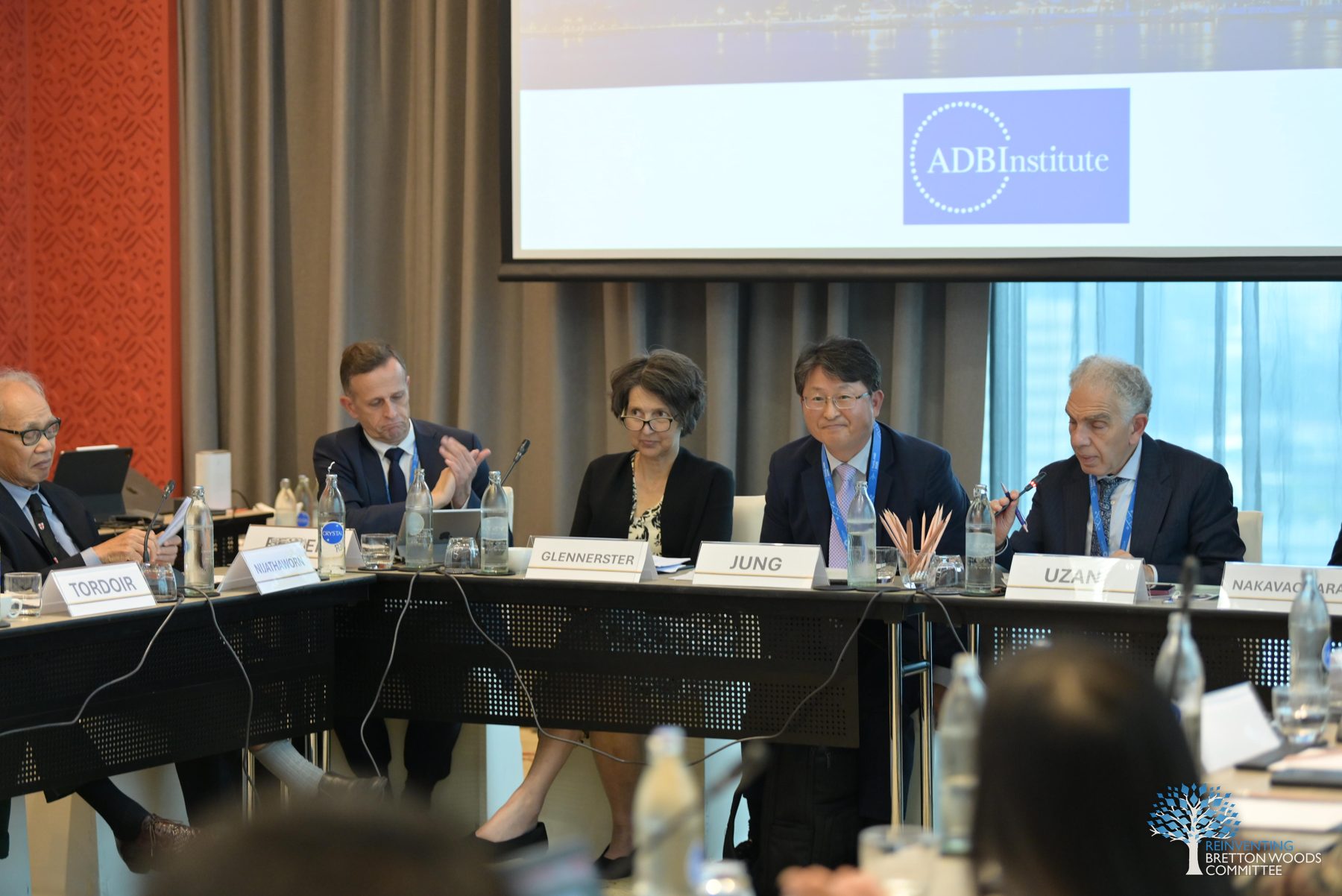
Marc Uzan Executive Director and Founder, Reinventing Bretton Woods Committee
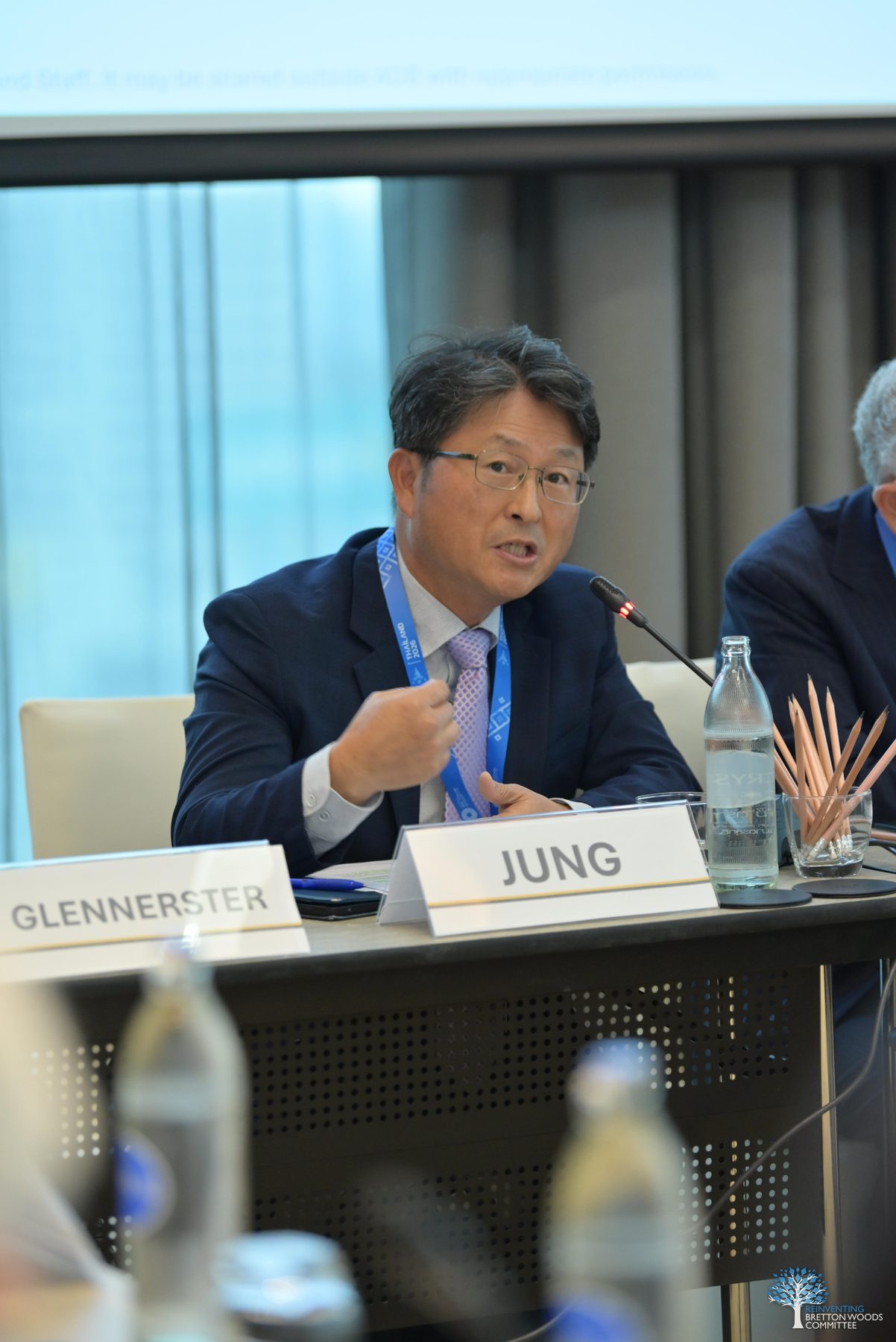
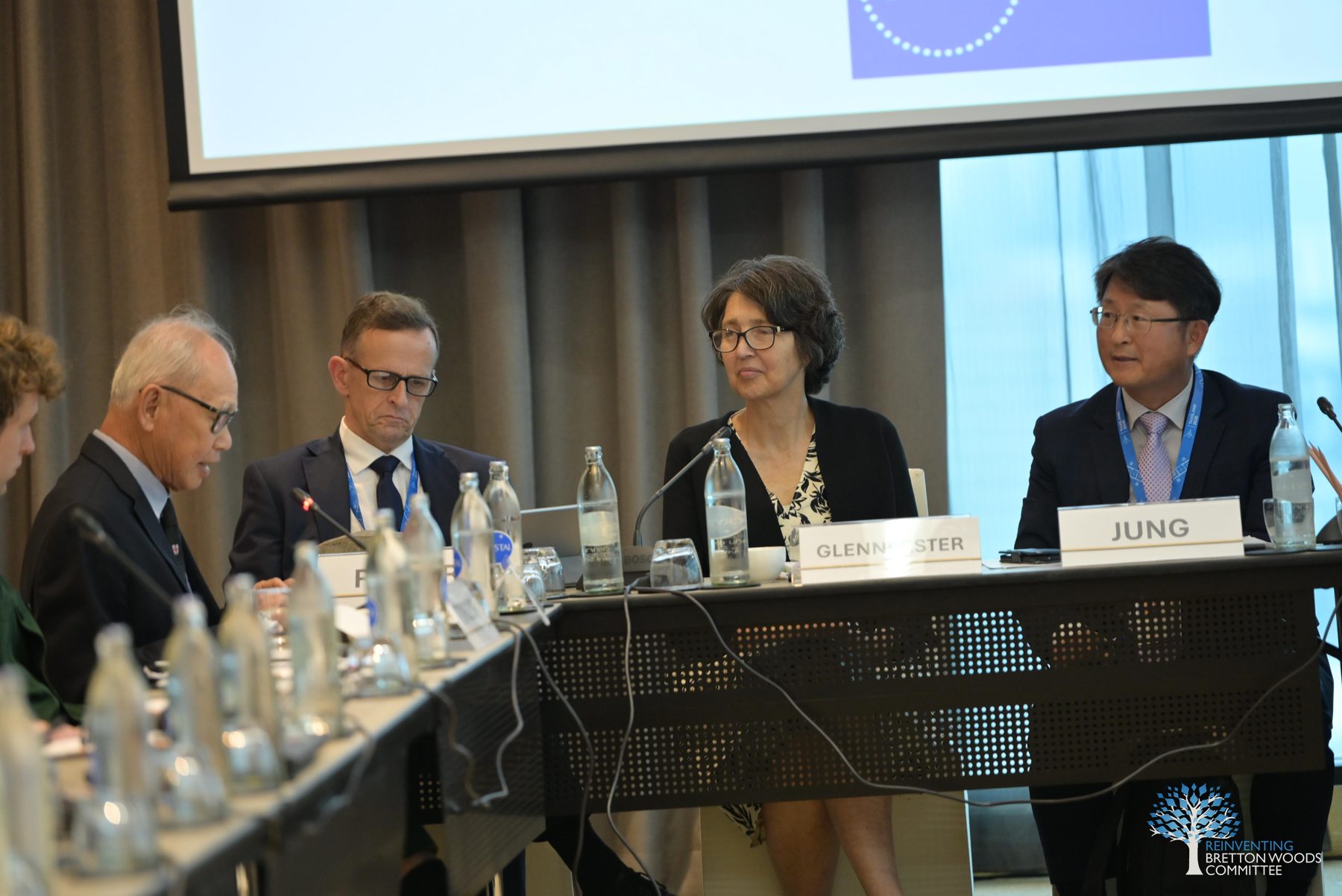
Byungsik Jung Deputy Dean, Asian Development Bank Institute
Moderator
Byungsik Jung Deputy Dean, ADBI
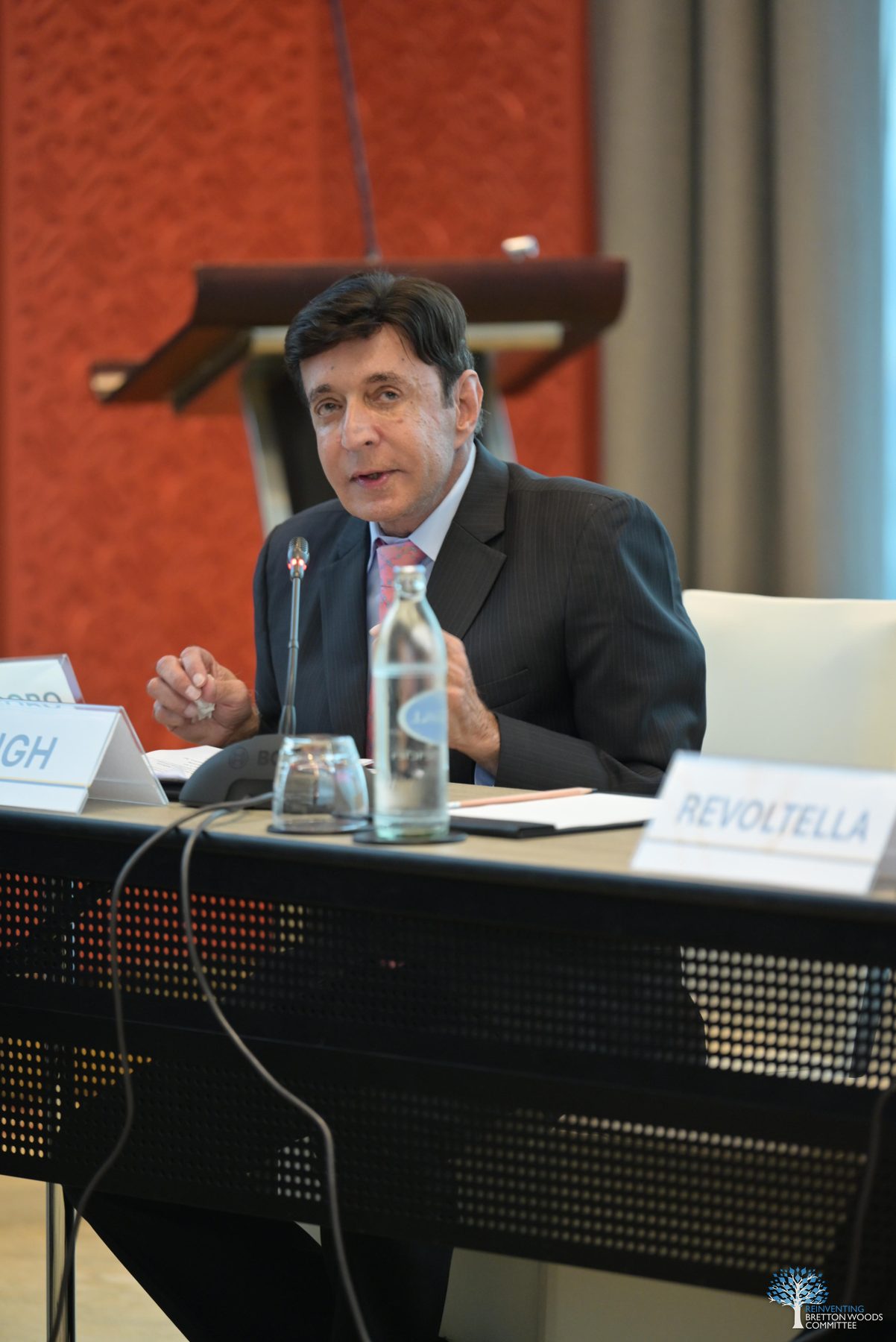
Anoop Singh Former Director, Asia and Pacific Department, International Monetary Fund
Rachel Glennerster President, Center for Global Development
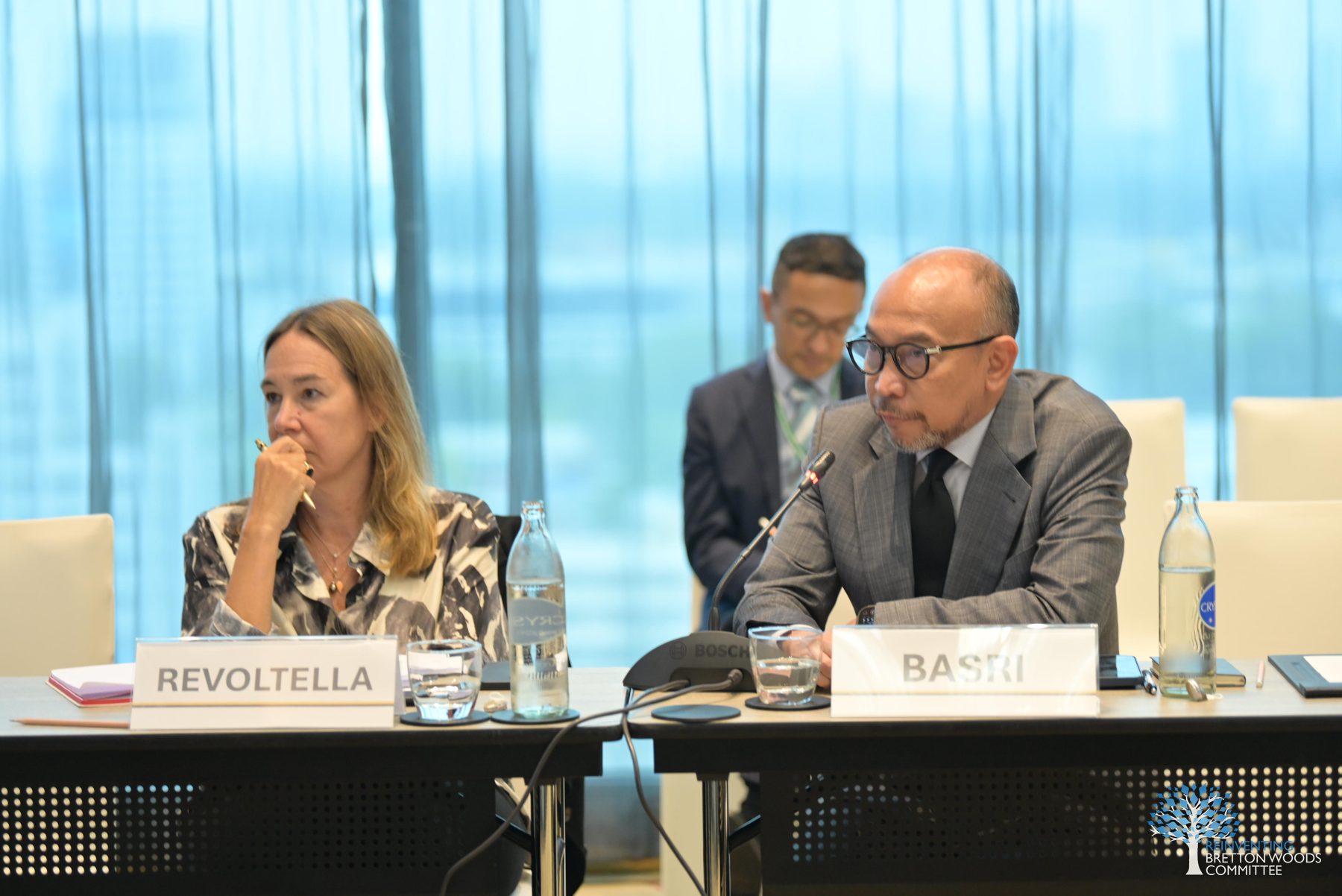
Chatib Basri Former Minister of Finance of Indonesia and Chairman of the Indonesian Investment Coordinating Board
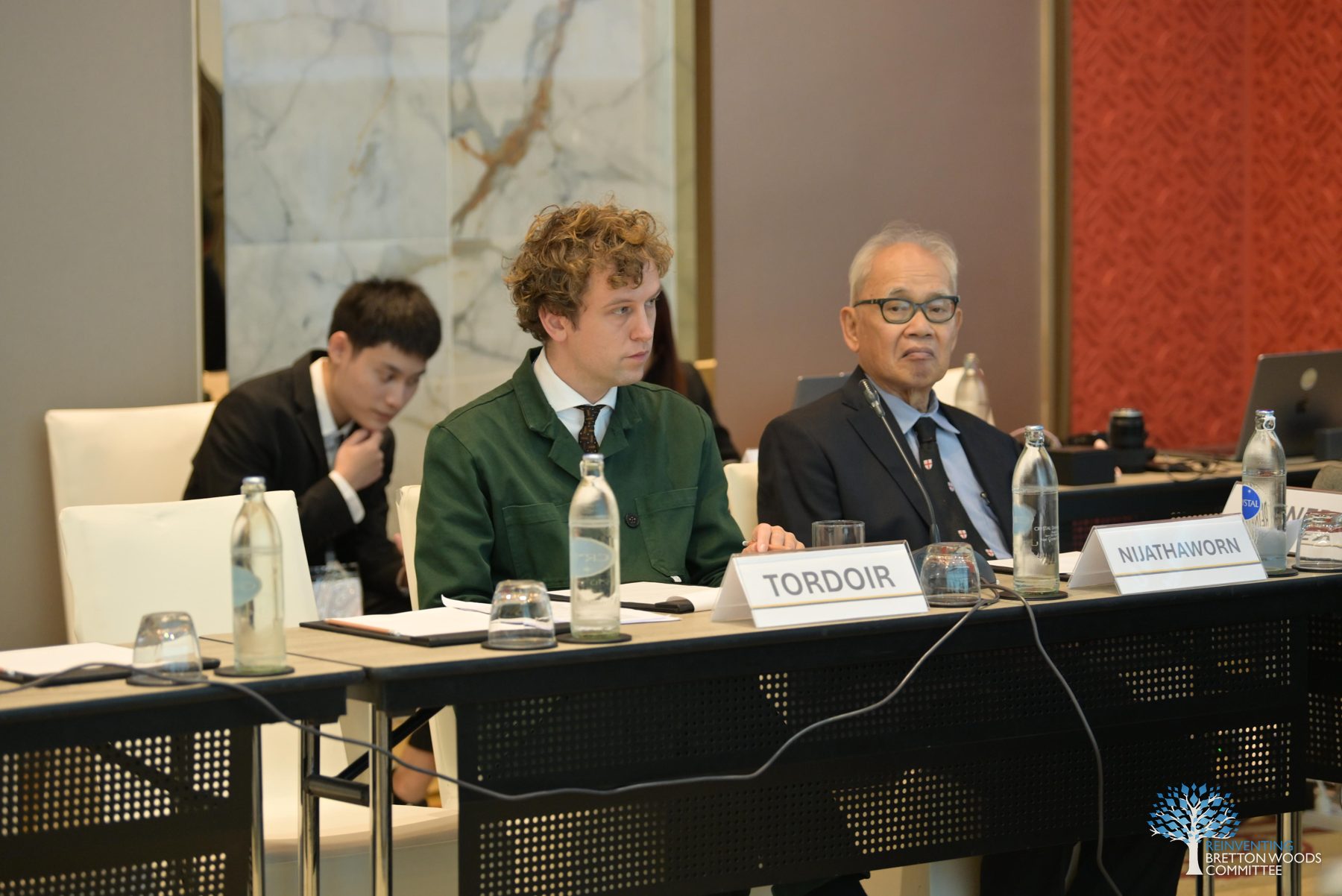
Bandid Nijathaworn Former Deputy Governor, Bank of Thailand
Moderator
Marc Uzan Executive Director, Reinventing Bretton Woods Committee
Voraprapa Nakavachara Associate Professor of Economics, Chulalongkorn University
Debora Revoltella Senior Fellow, Bruegel
Sander Tordoir Chief Economist, Centre for European Reform
Martin Reiner Executive Director, National Bank of Slovakia
Bambang Brodjonegoro Dean and CEO, Asian Development Bank Institute
The model that takes the country to middle income status is not the model that will take it to advanced country.
Policymakers in Asia doesn't lack knowledge or economic ideas of how to move forward. The key constraint is in the political economy constraint. Successful factor-driven growth creates powerful beneficiaries in business, in government, and in bureaucracy, which want to maintain the status quo.
Giving protection is easy, but taking away is very difficult. The issue is not only picking the winner, but is it politically feasible to let the loser go?
The convergence and the distribution went very well for the middle and top side of the population. The bottom didn't converge that much. And that explains maybe some of the more populist narrative that developed at a certain point of the transition.
One lesson from the EU single market integration is that goods market integration is a convergence engine and services market integration is a divergence engine.
One of the challenges that I've come across, including by talking to a lot of innovators in Asia, is that they started thinking about the challenges in Asia, but they ended up realizing that the money to be made was solving the problems in high-income countries.
If you look at per capita of the population, Slovakia is the biggest car producer in the world. It's not China, it's not Germany, it's Slovakia. So it's actually around 12% of GDP and around half of the exports.
The advantage of Thailand is being a trusted connector. We trade with both, we have good relationship with both, and then we built from that: you don't trust each other, but you can trust us. We don't steal your secret.